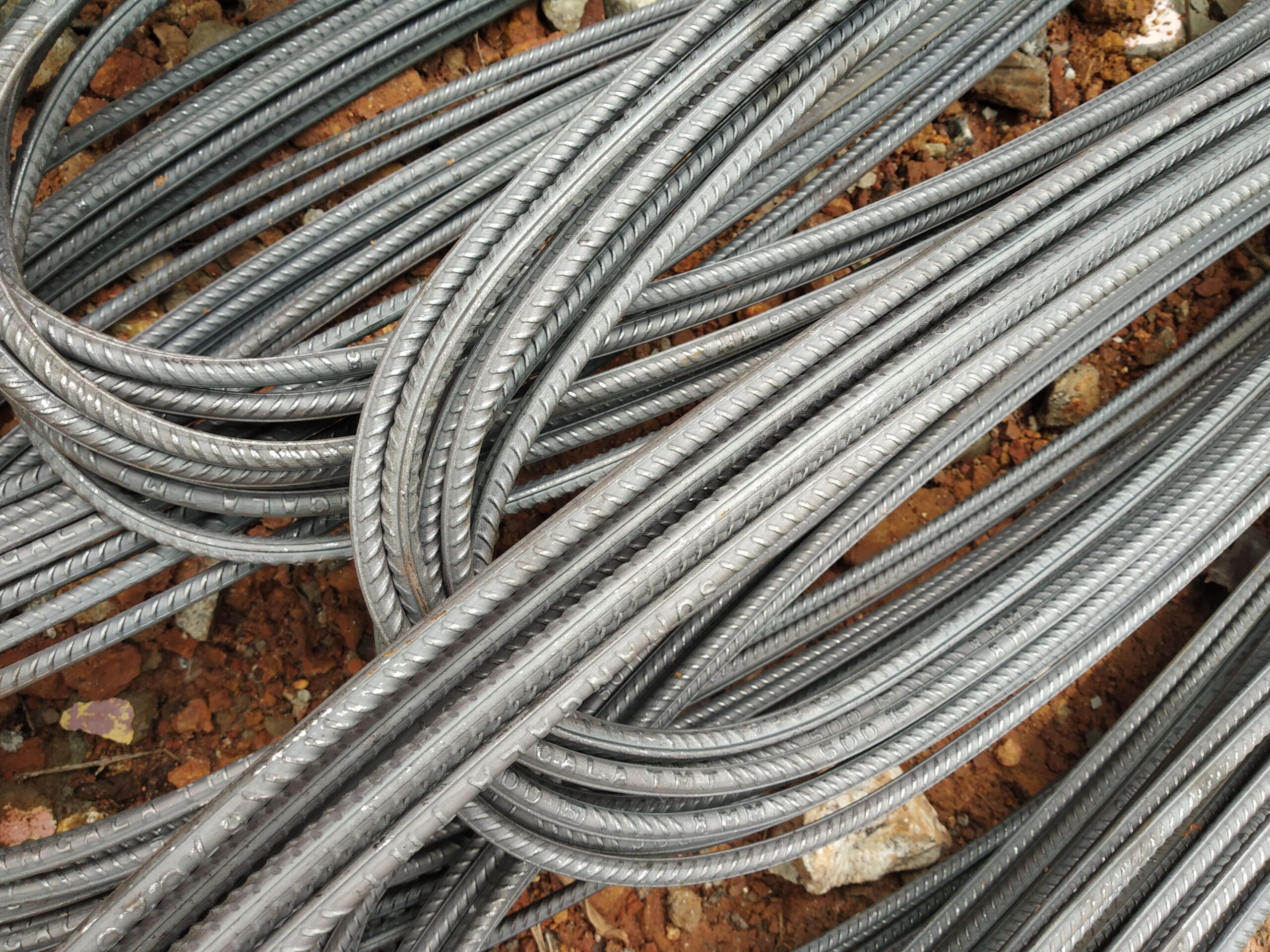
Rebar Lead Times: What to Expect
Understanding rebar lead times is essential for project scheduling. From mill production to port loading and ocean transit, each stage adds days or weeks — this guide breaks down the full timeline so international buyers can plan their import programmes with confidence.
Rebar Lead Times: The Full Picture
When international buyers ask about rebar lead times, they are usually thinking about the gap between placing an order and receiving material on-site. In practice, that gap comprises several distinct stages, each with its own variability. Conflating them leads to schedule risk. Understanding each stage separately allows for more realistic project planning.
The total procurement cycle for German-standard reinforcing steel — B500B bars, DIN 488-compliant — typically runs from 4 to 14 weeks depending on order size, product type, and destination. Here is how that time breaks down.
Stage 1: Order Confirmation and Mill Scheduling
After a purchase order is placed and commercial terms agreed, the material must be sourced and allocated. For standard B500B diameters (10–32 mm) in common stock lengths (6 m, 12 m), ex-stock availability or short-run production slots are often accessible within 1–2 weeks. For non-standard diameters (e.g. 40 mm), less-common grades (B500C for seismic zones), or specific cut-and-bend configurations to DIN 488 shape codes, mill production scheduling may add 2–4 weeks.
Once the heat is rolled and tested, the EN 10204 Type 3.1 Mill Test Certificate is prepared by the mill’s own inspection department. This document records the chemical analysis and mechanical test results (yield strength ReH, tensile/yield ratio k, elongation Agt) for each heat number. The MTC must be available before goods are released.
Stage 2: Bundling, Marking, and Port Delivery
After passing quality inspection, bars are assembled into export bundles. Standard seaworthy bundles weigh approximately 2 tonnes, are strapped at regular intervals, tagged with heat number and specification data, and have cut ends protected. Depending on the loading port and transport from the mill, this inland leg typically adds 3–7 days.
Stage 3: Port Operations and Vessel Loading
At Hamburg, Bremen, or Antwerp — the main departure points for German steel exports — cargo is held in the port logistics zone until the nominated vessel is ready for loading. Port dwell times can range from a few days to 2 weeks depending on vessel schedule, berth availability, and cargo volume. Container shipments (flat-rack or open-top) tend to benefit from more frequent liner departures; break-bulk parcels are tied to multi-purpose vessel sailings which may be less frequent.
Stage 4: Ocean Transit
Once on board, transit time depends entirely on the destination port. The table below shows indicative voyage durations from Hamburg or Antwerp:
| Destination Region | Representative Port | Approximate Transit |
|---|---|---|
| Mediterranean / North Africa | Alexandria, Casablanca | 5–10 days |
| West Africa | Lagos, Tema, Abidjan | 14–20 days |
| East Africa | Mombasa, Dar es Salaam | 22–28 days |
| Arabian Gulf | Jeddah, Dubai (Jebel Ali) | 16–22 days |
| South Asia | Karachi, Mumbai, Colombo | 20–28 days |
| South-East Asia | Singapore, Port Klang | 25–35 days |
Stage 5: Destination Port Clearance and Inland Delivery
Customs clearance at the destination port adds further time. For import-ready documents (commercial invoice, packing list, Bill of Lading, MTC, Certificate of Origin), clearance in many ports is completed within 3–7 working days. However, inspections, duty payment procedures, or document queries can extend this. Inland transport from port to site adds further days or weeks depending on distance and infrastructure.
Summary: Indicative Total Lead Times
| Scenario | Indicative Total Lead Time |
|---|---|
| Ex-stock standard bars, Mediterranean destination, container | 4–6 weeks |
| Ex-stock standard bars, Gulf destination, break-bulk | 7–10 weeks |
| Mill-order non-standard dia, West Africa, break-bulk | 10–14 weeks |
| Cut-and-bend to shape codes, East Africa, container | 9–13 weeks |
For projects with fixed concrete-pour schedules, we strongly recommend ordering 10–12 weeks ahead of the required site-delivery date as a baseline. See also our guide to break-bulk rebar shipping and our export and delivery overview.
Factors That Can Extend Lead Times
- Mill capacity constraints: Periods of high European construction demand can extend rolling schedules for non-stock items.
- Port congestion: Destination port congestion — particularly in West and East Africa — can add days or weeks to effective delivery time.
- Documentary delays: Missing or incorrect import licences, HS code discrepancies, or delayed LC (letter of credit) issuance all add time.
- Vessel schedule changes: Break-bulk sailings in particular can be subject to schedule changes when cargo volumes shift.
- Seasonal factors: Monsoon seasons can affect port operations in South and South-East Asia.
Frequently Asked Questions
Common procurement timeline questions from international rebar buyers.
What is the typical lead time for B500B rebar to the Middle East?
Can lead times be shortened for urgent orders?
Does cut-and-bend processing add significantly to lead time?
How early should I place an order for a large infrastructure project?
Are lead times quoted from order confirmation or from payment?
Source German-standard rebar with full export documentation
Share your specification, volume, and required delivery date — we will plan the most efficient procurement route for your project.