Steel Suppliers, Exporters & Wholesalers in Japan
An independent buyer’s guide to Japan’s steel market: demand and construction drivers, import and trade flow through Tokyo, Yokohama, Nagoya, Osaka and Kobe, pricing factors, and verified government data sources — plus how to import certified B500B and Gr60 rebar to Japan at wholesale export prices.

Japan’s steel market at a glance
Japan is one of the world’s largest steel-producing nations and a global benchmark for quality in long and flat products. Domestic demand is driven by construction and civil infrastructure, automotive manufacturing, shipbuilding, and heavy machinery — sectors that together keep reinforcing bar, sections, plate and coil in steady circulation. Reinforcement for buildings, bridges, tunnels and seismic retrofitting is typically rolled to JIS G 3112 deformed-bar grades (SD295, SD345, SD390, SD490), reflecting Japan’s strict earthquake-resistant design codes.
Because Japan is a mature, highly self-sufficient market, the bulk of its reinforcing steel is produced domestically by electric-arc and integrated mills. Imports tend to fill specific gaps — particular grades, certifications, project timing, or competitively priced tonnage for distributors and trading houses. At the same time, Japan’s raw-material position keeps it tied to global flows: it imports almost all of its iron ore and coking coal, so feedstock costs, freight and the yen exchange rate feed directly into domestic steel pricing. For international suppliers, the opportunity lies in serving importers, contractors and trading firms that want certified, wholesale-priced reinforcement to supplement local supply.
Your wholesale rebar supplier & exporter to Japan
Steel Rebar Germany supplies Japan importers, trading houses, contractors and distributors directly — bulk B500B/Gr60 rebar, welded mesh, coils and cut-and-bend at export prices, mill-certified to BS 4449 / ASTM A615, with full mill test certificates and no middlemen.
Bulk & wholesale orders
Container and break-bulk consignments sized to your project — every shipment mill-certified with a 3.1 MTC.
Direct export prices
Mill-to-port pricing with no distributor markup on bulk rebar, mesh, coil and cut-and-bend.
Full product range
B500B/Gr60 straight bar, welded mesh, rebar coils and cut-and-bend schedules consolidated into one shipment.
For importers & distributors
We sell direct to Japanese trading houses, importers and contractors — no middlemen between mill and your yard.
Certified & traceable
CE / EN 10080 and ASTM A615 documentation with each lot, built to support JIS-equivalent project approval.
Same-day quote
Send tonnage, grades and destination port for a firm, itemised export price. Request a bulk quote →
Verified government & trade data sources
Steel Rebar Germany is a direct wholesale rebar supplier & exporter — bulk B500B/Gr60 to Japan at export prices, no middlemen. The organisations below are official government, customs & statistics sources only.
Official Japanese authorities for trade and industry policy, customs, statistics, standards and ports. Use these primary sources to verify import rules, tariffs and steel-trade figures.
- METI — Ministry of Economy, Trade & Industry Japan’s industry and trade ministry; trade-control policy, industrial strategy and steel-sector regulation.
- Japan Customs Customs and Tariff Bureau (Ministry of Finance); import procedures, tariff schedules, advance rulings and clearance of steel.
- Statistics Bureau of Japan National statistics office (Ministry of Internal Affairs and Communications); official economic and trade statistics, gateway to e-Stat.
- JISC — Japanese Industrial Standards Committee Japan’s national standards body under METI; JIS standards including JIS G 3112 for reinforcing bar, and ISO/IEC liaison.
- MLIT — Ports & Harbours Bureau Ministry of Land, Infrastructure, Transport and Tourism; policy and information for Japan’s container and bulk ports.
- JETRO — Japan External Trade Organization Government trade-promotion body; import/export guidance, market data and regulatory information for foreign suppliers.
How steel moves into Japan
Origin markets, the seaport gateways that handle imported steel, and the routes that connect Japanese buyers to global supply.
Japan is a net steel exporter, but it still imports finished and semi-finished steel where price, grade or timing favour it. The most established origins for imported long and flat steel are South Korea and China, with Taiwan and other regional mills also supplying Japanese trading houses; on the raw-material side, Japan imports nearly all of its iron ore and coking coal from Australia, Brazil and other resource markets, which underpins domestic production economics.
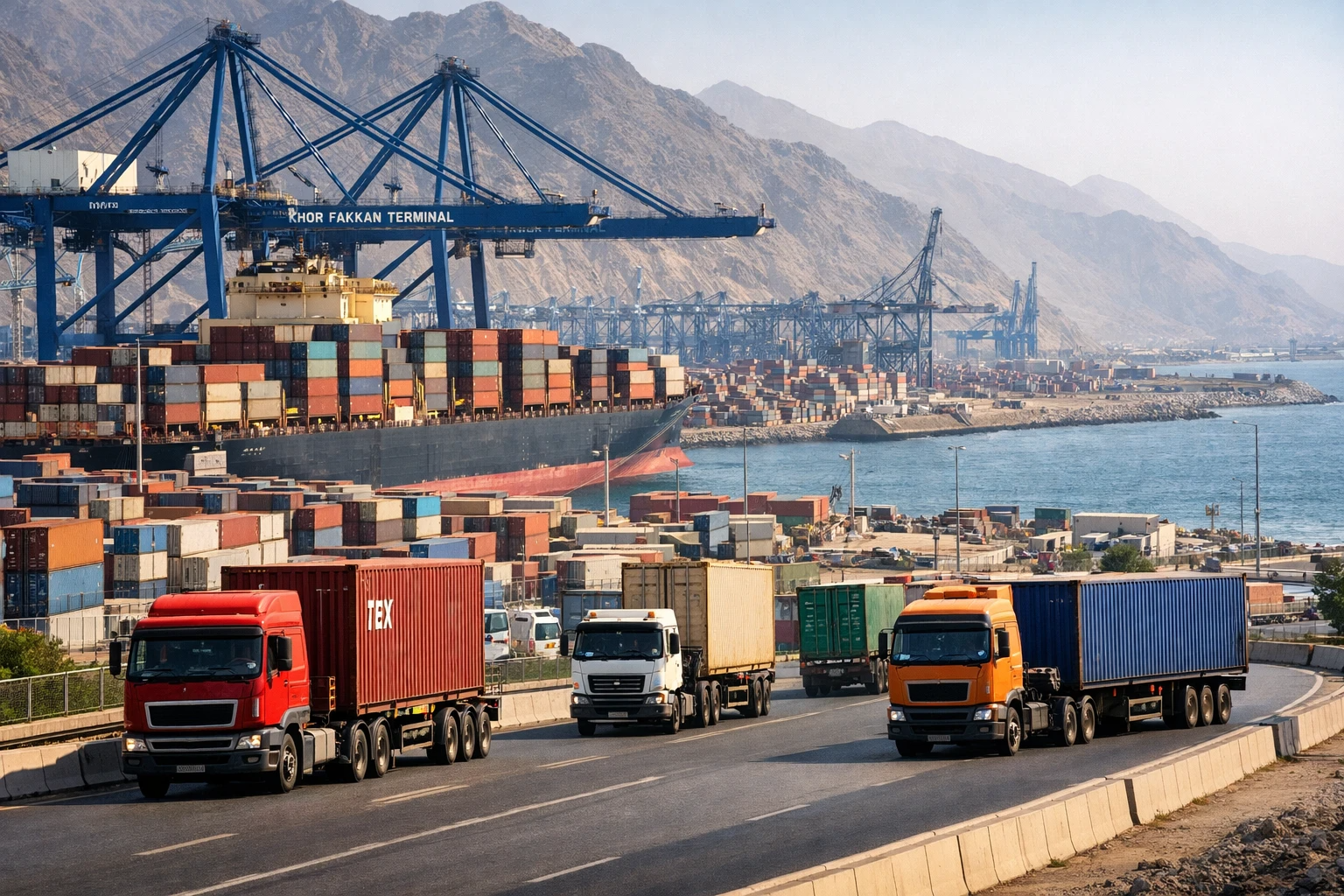
Seaborne cargo concentrates on Japan’s major bay clusters. The Keihin ports of Tokyo, Yokohama and Kawasaki on Tokyo Bay handle a large share of container and industrial trade; Nagoya on Ise Bay is one of Japan’s busiest cargo ports and a manufacturing gateway; and the Hanshin ports of Osaka and Kobe serve the Kansai industrial region. These deep-water ports give importers access to European, Middle Eastern and Asian supply lines.
| Gateway | Bay / Region | Primary role |
|---|---|---|
| Tokyo / Yokohama | Tokyo Bay (Keihin) | Largest container & industrial trade hub |
| Nagoya | Ise Bay (Chubu) | Top cargo port; manufacturing gateway |
| Osaka / Kobe | Osaka Bay (Hanshin) | Kansai container & bulk imports |
What drives steel prices in Japan
Japanese rebar, structural and flat-steel prices are shaped by a mix of global and domestic forces rather than any single benchmark. The leading drivers are imported iron-ore and coking-coal costs and scrap prices, energy and electricity costs for electric-arc mills, the JPY/USD exchange rate (which moves the cost of imported feedstock and finished steel), and construction and infrastructure demand tied to building cycles and public works.
Regional competition is also a live factor: Korean and Chinese export offers set a reference point for landed import prices, while Japan’s domestic mills price against quality, certification and reliable delivery. Because published Japanese prices move with raw materials and the yen, buyers should price against current market intelligence rather than dated figures.
For verified, up-to-date pricing and market analysis, consult independent steel-market sources:
- SteelOrbis — Asian rebar, billet and flat-steel price assessments.
- Fastmarkets — global long and flat steel pricing and analysis.
- worldsteel — production and demand statistics by region and country.
For grade specifications and certification options before you price a tender, see our quality & certifications overview and the full rebar product range.
Why import rebar via Steel Rebar Germany
Certified European reinforcement steel, exported to Japanese ports with full documentation.
B500B & Gr60 rebar
Deformed reinforcing bar to EN 10080 (B500B) and ASTM A615 (Gr60), supplied with documentation to support JIS-equivalent project approval in Japan.
Mill Test Certificates
Every shipment ships with a 3.1 MTC documenting chemistry and mechanical properties, so your engineers and customs clear cargo without surprises.
Mesh, coils & cut-and-bend
Beyond straight bar we supply welded mesh, rebar coil and cut-and-bend schedules — consolidated into one export shipment to your port.
Export to Japan
We ship to Tokyo, Yokohama, Nagoya, Osaka and Kobe with import-ready documentation and clear Incoterms agreed up front.
European quality
German-standard sourcing and quality control give Japanese buyers consistent, traceable reinforcement for demanding projects.
Direct quoting
Tell us tonnage, grades and destination port and we return a firm, itemised quote — no opaque pricing. Contact us →
Sourcing reinforcement elsewhere? See our country guides for steel suppliers in Egypt and steel suppliers in Turkey, explore our TMT steel rebar range and full rebar products, review our quality & certifications, or browse every market on the steel by country hub.
Importing rebar to Japan — FAQ
Which steel grades are used for rebar in Japan?
What certifications come with rebar exported to Japan?
What is the typical lead time to Japan’s main ports?
What is the minimum order quantity (MOQ) for export to Japan?
Request a steel quote for Japan →
Certified B500B and Gr60 rebar, mesh and cut-and-bend, exported to Tokyo, Yokohama, Nagoya, Osaka and Kobe with full mill documentation.