Steel Suppliers, Exporters & Wholesalers in Austria
A practical buyer’s guide to the Austrian steel market: rebar grades and price drivers, the major Austrian producers and fabricators, official trade data sources, and how to import certified reinforcing steel into Austria.

The Austrian steel market at a glance
Austria is a high-value, engineering-led economy where steel underpins construction, automotive supply, mechanical engineering and the railway sector. Domestic output is anchored by voestalpine, one of Europe’s leading integrated steel and technology groups headquartered in Linz, and by Marienhütte in Graz — the country’s principal producer of reinforcing steel. Despite this strong industrial base, Austrian construction demand for certain rebar diameters, welded mesh and cut-and-bend volumes is frequently met through imports from neighbouring EU producers.
Construction activity is concentrated around Vienna, Linz, Graz, Salzburg and the western Alpine corridors, where infrastructure renewal, residential development and tunnelling projects sustain steady consumption of reinforcing steel. As a landlocked member of the European Union and the eurozone, Austria benefits from frictionless cross-border trade with Germany and its other neighbours — there is no customs border for intra-EU consignments — which makes overland delivery of certified rebar both fast and cost-efficient. Buyers comparing steel suppliers in Ireland, Portugal or Greece will find that Austria’s central location is a defining advantage for inbound steel logistics.
02 — Government & Trade DataOfficial Austrian trade & statistics sources
Steel Rebar Germany is a direct wholesale rebar supplier & exporter — bulk B500B/Gr60 to Austria at export prices, no middlemen. The organisations below are official government, customs & statistics sources only.
Verify import duties, classifications and market statistics through these official Austrian and EU authorities before contracting any steel supply into Austria:
- Federal Ministry of Economy, Energy & Tourism (BMWET) bmwet.gv.at
- Austrian Customs — Federal Ministry of Finance (Zoll / BMF) bmf.gv.at
- Statistics Austria (Statistik Austria) — trade & production data statistik.at
- Austrian Standards International (ASI) — ÖNORM standards body austrian-standards.at
- Danube Ports Network — Port of Linz / Enns profiles danube-logistics.info
- EU Access2Markets — tariffs, rules of origin (incl. Austria) trade.ec.europa.eu
Wholesale rebar supply to Austria
Steel Rebar Germany is the direct wholesale supplier & exporter to Austria — bulk B500B/Gr60 rebar, welded mesh, coils & cut-and-bend at export prices, mill-certified to BS 4449 / ASTM A615, no middlemen.
Bulk Orders
Container & break-bulk consignments to Austria, full mill test certificate on every shipment.
Export Prices
Direct mill-to-site pricing — no distributor markup on bulk rebar & mesh.
Same-Day Quote
How steel reaches Austria
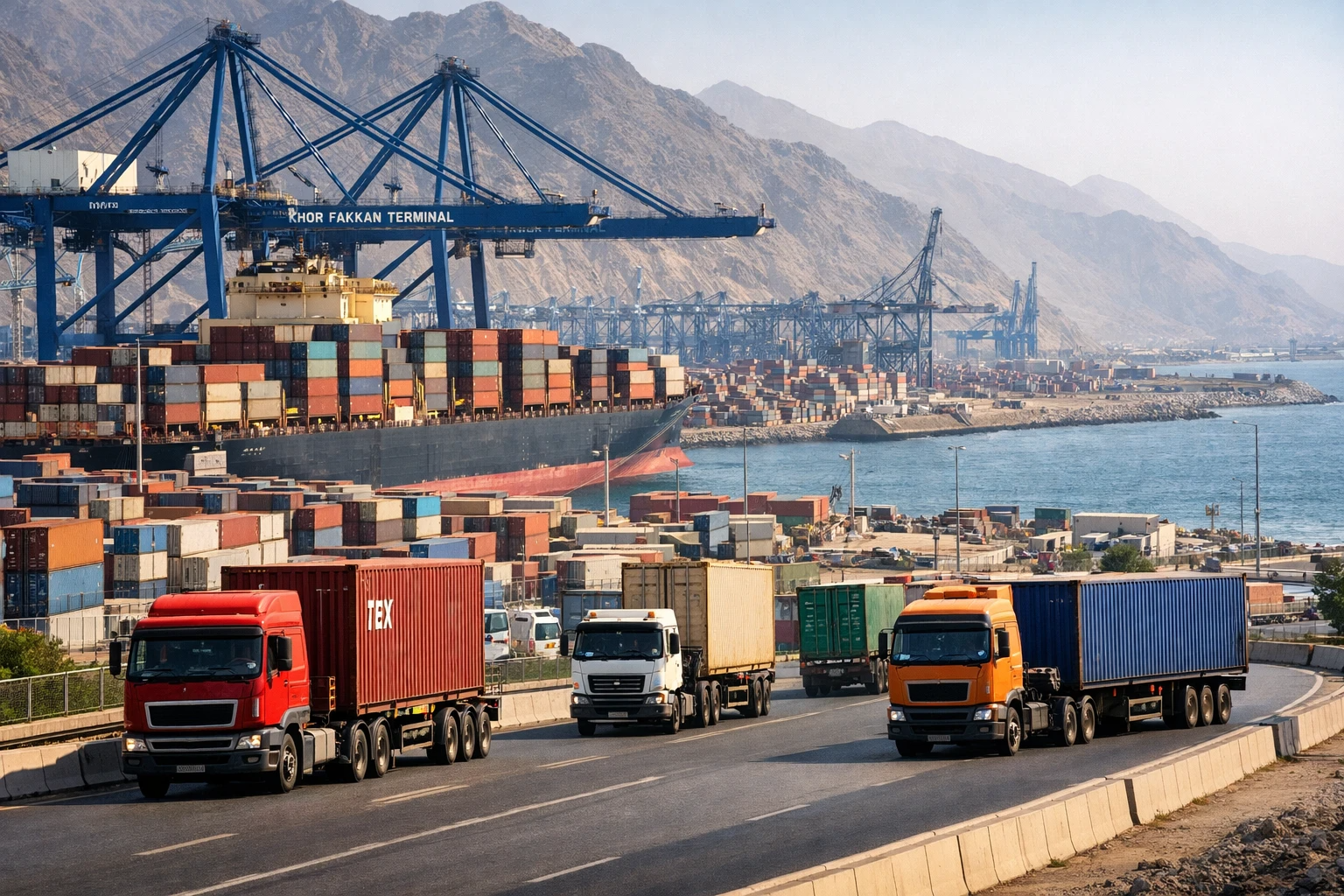
Because Austria is landlocked, steel imports arrive primarily overland by road and rail, supplemented by barge transport on the Danube. The dominant origin countries for imported steel and reinforcement are Austria’s EU neighbours — Germany, Italy, the Czech Republic, Slovakia, Slovenia and Poland — reflecting both proximity and the absence of intra-EU customs barriers. Sea-borne material destined for Austria typically transits the northern range ports (Hamburg, Bremerhaven, Rotterdam) or the Adriatic ports (Koper in Slovenia, Trieste in Italy) before final inland delivery.
Within Austria, the principal logistics nodes for steel and heavy cargo are the Danube ports of Linz, Enns and Vienna, connected via the Rhine–Main–Danube Canal to a continuous waterway between the North Sea and the Black Sea. For Steel Rebar Germany consignments, the most common route is direct road haulage from our German base into Vienna, Linz, Graz and the Alpine regions, with combined road–barge options on the Danube for larger tonnages.
Rebar & steel price drivers in Austria
Austrian steel prices move with the wider European market rather than in isolation. The key drivers for reinforcing steel, structural sections and flat products include scrap and iron-ore input costs, energy prices (a significant factor for Austria’s electric-arc and integrated routes), EU carbon and trade policy, freight, and the euro-denominated demand cycle in construction and automotive. Because pricing is dynamic, we publish no fixed figures here — request a current quote for verified, project-specific pricing.
To benchmark the Austrian and European market independently, consult these recognised price-reporting and data sources:
- SteelOrbis — European long & flat product price assessments.
- Fastmarkets — rebar, scrap and steel index pricing.
- Eurostat — official EU production and trade statistics for Austria.
For a deeper specification view, see our quality & certifications overview and the full rebar product range.
06 — Why Steel Rebar GermanyWhy import rebar to Austria via Steel Rebar Germany
Certified to EU & ÖNORM-equivalent grades
B500B reinforcing steel to EN 10080 / DIN 488, broadly equivalent to Austria’s ÖNORM B550B class, plus B550A welded mesh — each shipment with EN 10204 3.1 Mill Test Certificates and CE marking.
Fast, border-free EU delivery
No customs border between Germany and Austria means rapid overland delivery into Vienna, Linz and Graz — with combined road–barge routing via the Danube ports of Linz and Enns for larger tonnages.
Full product range & cut-and-bend
Straight bars, coils, welded mesh and cut-and-bend reinforcement to your bar list — including TMT rebar — with mixed-diameter consignments arranged from a single truckload.
Steel supply to Austria: common questions
Which rebar grades are used in Austria?
What certifications come with exported rebar?
What is the lead time for delivery to Austria?
What is the minimum order quantity for export to Austria?
Request a steel quote for Austria
Certified B500B rebar, welded mesh, coils and cut-and-bend — delivered into Vienna, Linz, Graz and across Austria with full MTC and CE documentation.