Steel Suppliers, Exporters & Wholesalers in Hungary
A practical guide to sourcing reinforcing and structural steel in Hungary — the leading producers and distributors, how rebar pricing moves, where imports flow through, and the official data sources that govern the market.
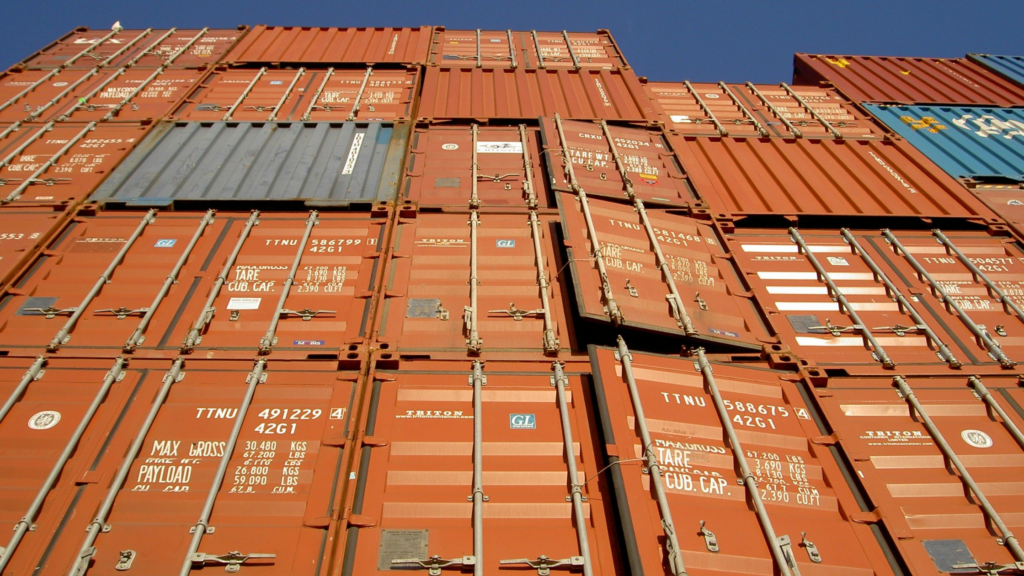
The Hungarian steel market at a glance
Hungary is a steel-deficit economy: domestic mills can produce on the order of 2 million tonnes a year, while the country consumes roughly 3.5 million tonnes of steel and steel products annually. That structural gap means Hungary depends heavily on imports — particularly long products such as reinforcing bar, sections and wire rod — drawn from neighbouring EU producers and the wider Central European supply base.
Demand is anchored in construction and infrastructure — residential and commercial building, motorway and rail upgrades, and a fast-expanding industrial base. Hungary’s automotive and battery investment wave has driven new plant construction across Debrecen, Győr and Kecskemét, lifting consumption of structural steel, rebar and mesh for foundations and frames.
The country’s single integrated producer at Dunaújváros has faced prolonged disruption, with both blast furnaces idled and a planned shift toward electric-arc-furnace (EAF) recycling-based steelmaking. Until that transition matures, imported reinforcing steel — built to the same harmonised European standards used in Hungary — remains essential for keeping projects on schedule. For the export-grade rebar Hungarian buyers specify, see our TMT steel rebar and full rebar product range.
Official Hungarian data sources
Steel Rebar Germany is a direct wholesale rebar supplier & exporter — bulk B500B/Gr60 to Hungary at export prices, no middlemen. The organisations below are official government, customs & statistics sources only.
Verify market size, tariffs, customs procedures and trade statistics directly from the responsible Hungarian and EU authorities.
- Ministry for National Economy (Nemzetgazdasági Minisztérium) Industrial strategy, foreign-trade policy and economic regulation — including state support for the domestic steel sector.
- National Tax and Customs Administration (NAV) Hungary’s customs authority for import duties, tariff classification, VAT and clearance of steel consignments.
- Hungarian Central Statistical Office (KSH) Official trade, production and construction statistics — the primary source for Hungarian steel import and demand data.
- Hungarian Investment Promotion Agency (HIPA) Investment, site-selection and supply-chain information for industrial and manufacturing projects in Hungary.
- Eurostat — EU statistics Comparable EU-wide trade and steel statistics for benchmarking Hungarian import flows.
- EU Access2Markets Tariffs, rules of origin and procedures for steel entering Hungary as an EU member state.
Your wholesale rebar supplier & exporter to Hungary
Steel Rebar Germany supplies Hungary importers, contractors and distributors directly — bulk B500B/Gr60 rebar, welded mesh, coils and cut-and-bend at export prices, mill-certified to BS 4449 / ASTM A615, with full mill test certificates and no middlemen.
Bulk Orders
Container & break-bulk consignments to Hungary, every shipment mill-certified.
Export Prices
Direct mill-to-site pricing — no distributor markup on bulk rebar & mesh.
Same-Day Quote
How steel reaches Hungary
Hungary is landlocked, so its steel imports move overland and via the Danube corridor and Adriatic ports.
As a landlocked EU member, Hungary sources most of its imported steel from neighbouring producers — Germany, Austria, Slovakia, Poland, the Czech Republic, Romania and Ukraine — moving by truck and rail across short Central European routes. Seaborne material typically arrives through the Port of Koper in Slovenia or the northern Adriatic ports, then continues inland by rail.
The River Danube is a key logistics artery: barge traffic through the Port of Budapest and inland terminals carries bulk and long steel, while the Dunaújváros works sits directly on the river. Rail corridors linking Budapest to Vienna, Bratislava and the Adriatic give importers flexible, cost-efficient routing for reinforcing and structural steel.
Because Hungary trades within the EU customs union, intra-EU steel moves without tariffs, while non-EU origins are cleared through NAV under the common EU tariff. Neighbouring markets feed the same corridor — see our guides to steel in Romania, Bulgaria, Ukraine and Estonia.
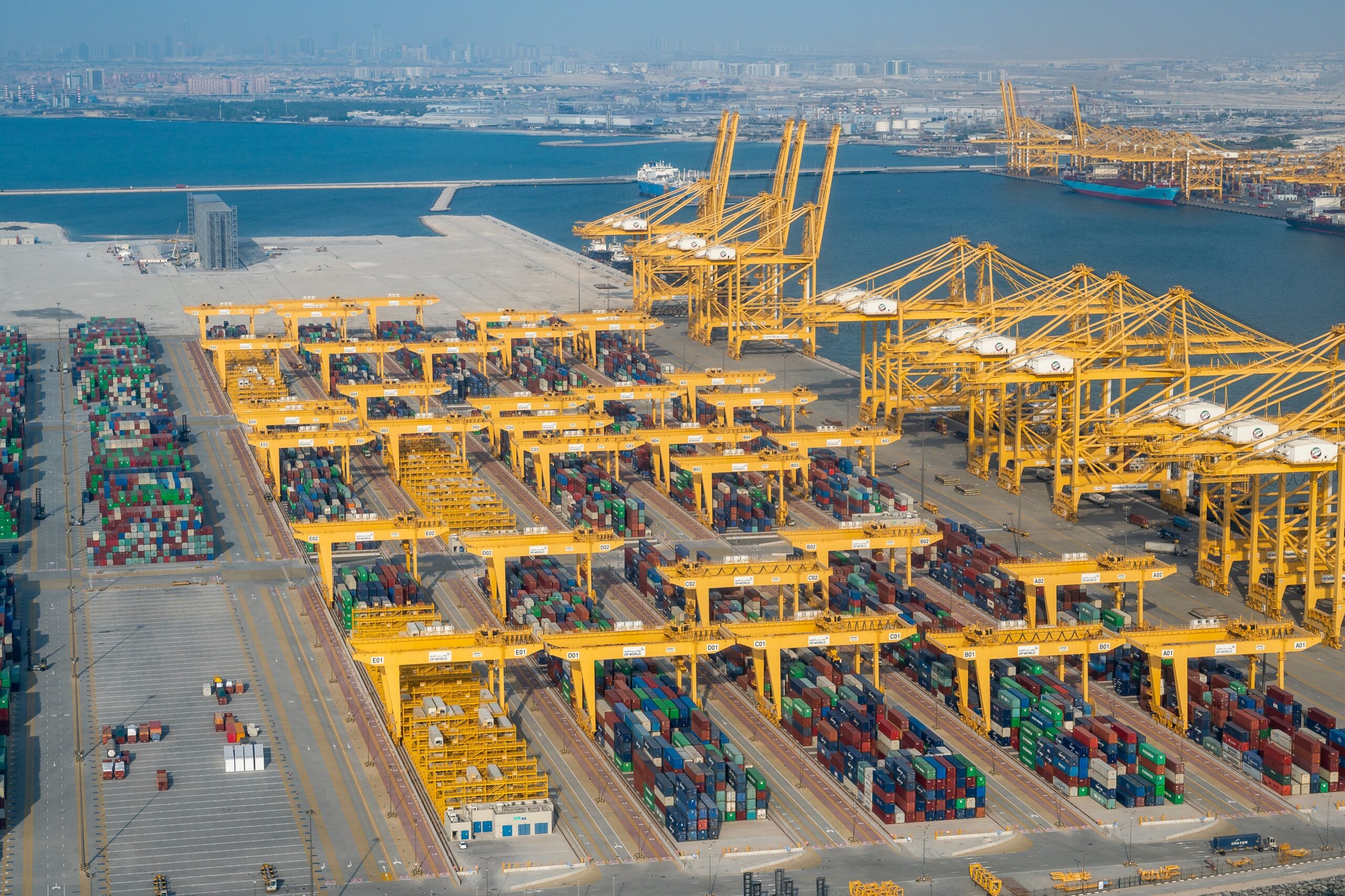
What drives steel prices in Hungary
Hungarian rebar, structural and flat-steel prices track the wider European market rather than a separate domestic index. Key drivers include scrap and iron-ore input costs, energy and electricity prices (critical for EAF-based production), EU import-safeguard quotas, freight along the Danube and rail corridors, and construction demand swings tied to infrastructure and industrial investment cycles.
Because Hungary imports a large share of its long products, landed prices also reflect exchange-rate movement between the forint and the euro and the cost of inland transport from mills and Adriatic ports. Buyers should benchmark quotes against published European reference prices rather than rely on isolated local figures.
For current, verifiable price direction, monitor independent market reporters:
- SteelOrbis — European rebar, section and flat-product pricing and news.
- Fastmarkets — benchmark steel and scrap price assessments.
- MEPS International — European long- and flat-product price series.
We quote in line with these references — never on invented numbers. Request a current, project-specific figure through our contact page.
Why import rebar via Steel Rebar Germany
German-mill reinforcing steel, built to the exact European standards Hungarian projects already specify.
Certified grades
B500B and B500A to EN 10080, plus ASTM A615 Grade 60 on request — fully aligned with Eurocode 2 design used in Hungary. See our quality certifications.
Full product range
Straight and coil rebar, welded mesh, wire rod, cut-and-bend assemblies and coils — supplied to Hungarian stockholders and fabricators.
Documented quality
EN 10204 3.1 Mill Test Certificates and CE marking with every consignment, with third-party inspection available for tenders.
Central-European logistics
Truck and rail delivery on short routes from German mills into Hungary, with Danube and Adriatic options for larger programmes.
Transparent pricing
Quotes benchmarked to published European reference prices — clear, current and project-specific.
Export-ready paperwork
EU-origin documentation that clears cleanly through NAV, keeping Hungarian projects on schedule. Talk to our export team.
Hungary steel sourcing — questions
Which rebar grades can be exported to Hungary?
What certificates ship with steel sent to Hungary?
What is the typical lead time to Hungary’s main destinations?
Is there a minimum order quantity for export to Hungary?
Request a steel quote for Hungary
B500B/Gr60 rebar, mesh, coils and cut-and-bend — MTC-certified and export-ready to Budapest and beyond.