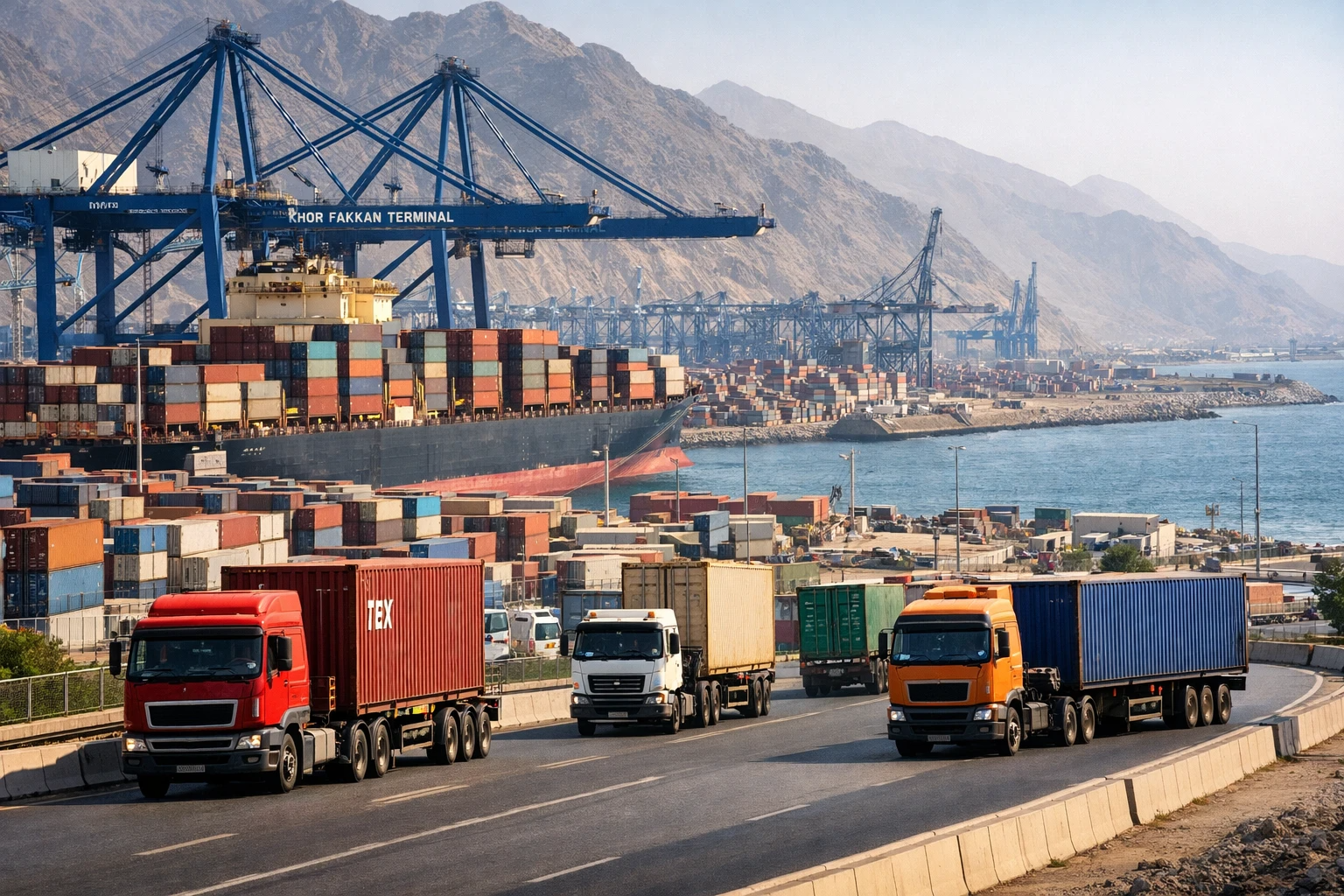
Steel Suppliers, Exporters & Wholesalers in Thailand
A practical guide to Thailand’s steel market: leading producers, rebar and structural pricing drivers, import flows through Laem Chabang, and the official government data sources buyers actually use — plus how to import certified B500B rebar from Germany.
Thailand’s steel market at a glance
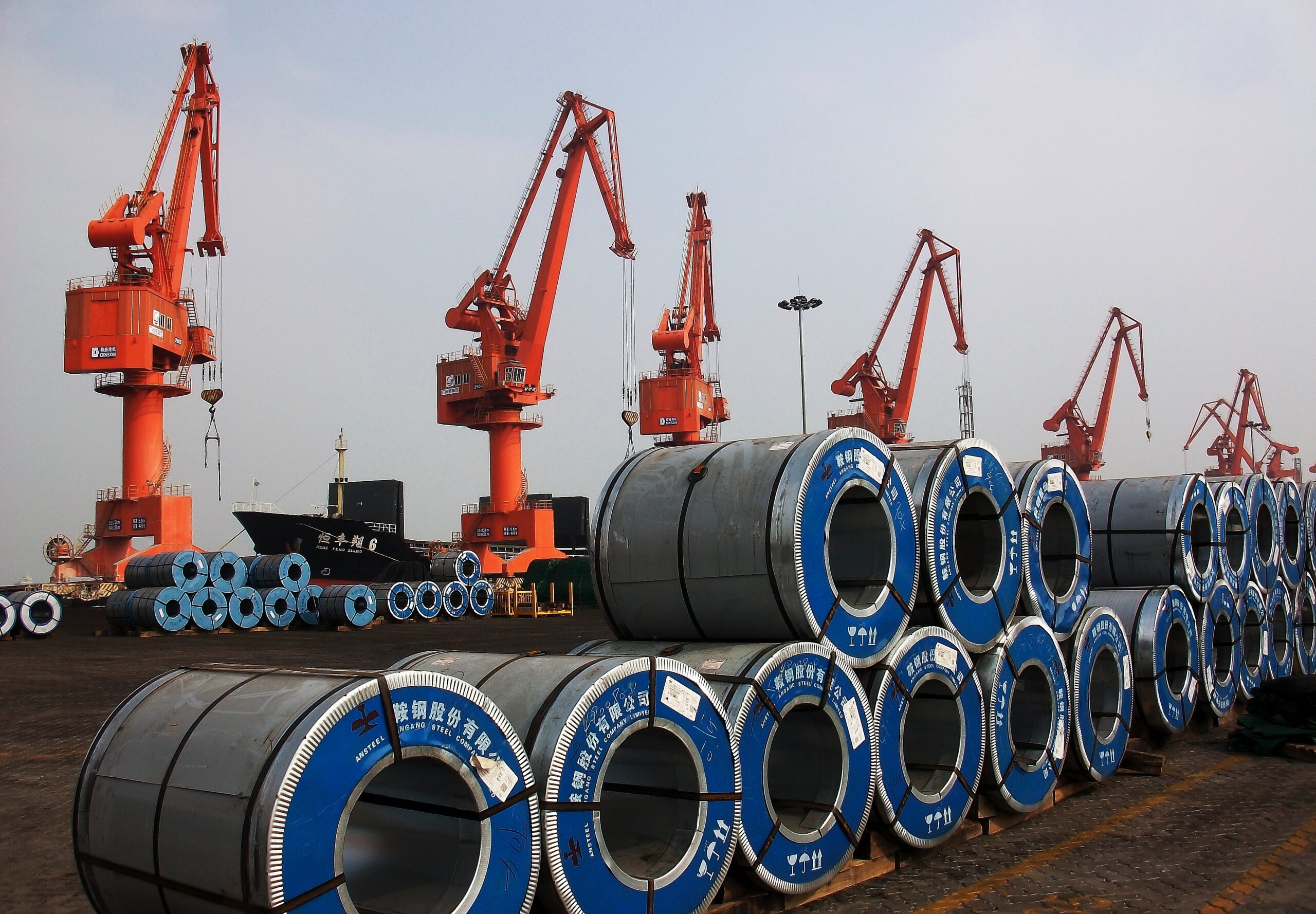
Thailand is one of Southeast Asia’s largest steel-consuming economies, with demand anchored in construction, automotive manufacturing, appliances and infrastructure. The country’s long-steel sector — reinforcing bar, wire rod and sections — feeds a continuous pipeline of residential, commercial and public works, while flat steel underpins its substantial automotive and electronics export base.
Despite significant domestic rolling capacity, Thailand remains structurally dependent on imports for a large share of its finished and semi-finished steel, particularly for hot-rolled coil, specialised grades and billet feedstock. This import reliance, combined with a mature port network led by Laem Chabang, makes Thailand an active destination for international suppliers. Construction demand follows the broader infrastructure cycle — rail, ports, industrial estates in the Eastern Economic Corridor (EEC) and urban housing — which keeps reinforcing-steel consumption a core part of the market. For verified, up-to-date demand and production figures, buyers should consult the official government and industry sources listed below rather than rely on secondary estimates.
02 — Government & Trade Data Sources
Steel Rebar Germany is a direct wholesale rebar supplier & exporter — bulk B500B/Gr60 to Thailand at export prices, no middlemen. The organisations below are official government, customs & statistics sources only.
The authoritative starting points for Thai steel demand, tariff lines, import volumes and standards are the government bodies below. Use these for verified statistics before making sourcing or pricing decisions.
- Ministry of Industry (Thailand)Industrial policy and the parent ministry for steel-sector regulation and promotion.
- Office of Industrial Economics (OIE)Industrial production indices and sector situation reports, including iron & steel.
- Thai Customs DepartmentOfficial import/export statistics by HS code and the customs tariff schedule.
- National Statistical Office (NSO)National economic, construction and industrial statistics for Thailand.
- Thai Industrial Standards Institute (TISI)Issues and enforces TIS standards, including TIS 24 for deformed reinforcing bar.
- Port Authority of Thailand (PAT)Operator of Laem Chabang and Bangkok ports — throughput and facilities data.
For independent industry intelligence, the Iron & Steel Intelligence Unit of the Iron and Steel Institute of Thailand (ISIT) publishes production, consumption and trade analysis for the Thai steel sector.
Wholesale rebar supply to Thailand
Steel Rebar Germany is the direct wholesale supplier & exporter to Thailand — bulk B500B/Gr60 rebar, welded mesh, coils & cut-and-bend at export prices, mill-certified to BS 4449 / ASTM A615, no middlemen.
Bulk Orders
Container & break-bulk consignments to Thailand, full mill test certificate on every shipment.
Export Prices
Direct mill-to-site pricing — no distributor markup on bulk rebar & mesh.
Same-Day Quote
04 — Import & Trade Flow
Thailand’s steel imports are dominated by regional supply, with significant volumes historically arriving from China, Japan, South Korea and other ASEAN producers, alongside specialised European and Indian grades. Hot-rolled coil, billet, wire rod and coated products are the most actively traded categories.
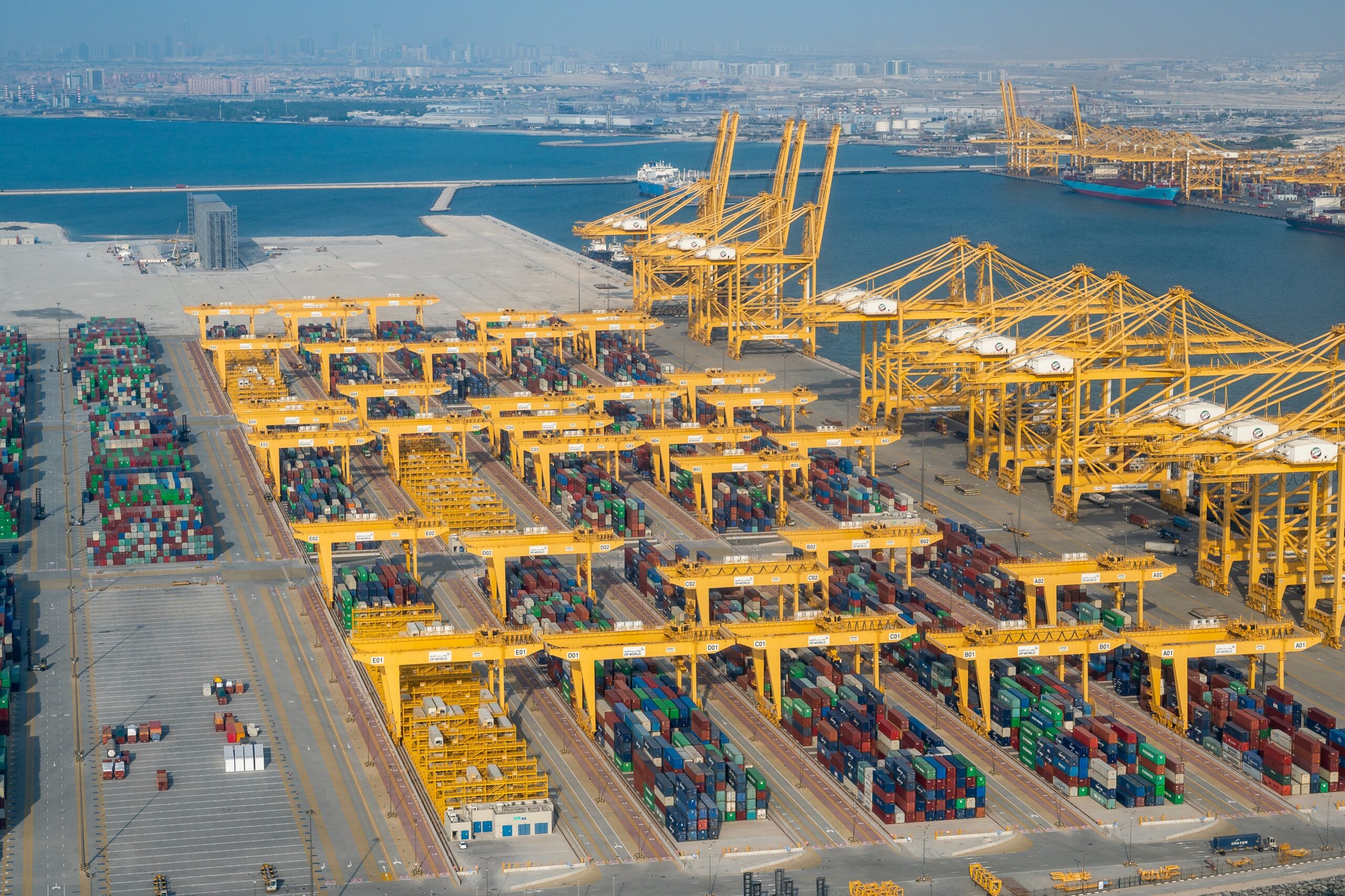
The principal gateway is Laem Chabang Port in Chonburi — Thailand’s largest container and bulk port, operated by the Port Authority of Thailand and located within the Eastern Economic Corridor close to the country’s steel-consuming industrial estates. Bangkok Port (Khlong Toei) handles additional cargo, while deep-sea bulk steel can also move through dedicated industrial ports such as those serving the Map Ta Phut and Prachuap areas. Inbound European steel typically routes from North Sea ports via transhipment hubs in Singapore or Port Klang before discharge at Laem Chabang. For exact, current import volumes by origin and HS code, consult the Thai Customs Department statistics portal.
05 — Pricing & Market Insight
Steel prices in Thailand move with a familiar set of drivers: global iron-ore and scrap costs, billet and hot-rolled-coil benchmarks across Asia, energy and freight, the baht exchange rate, and domestic construction demand. Rebar pricing tracks regional long-product trends and scrap-based production costs, while flat steel follows HRC import-parity levels into Southeast Asia.
| Product | Primary price drivers |
|---|---|
| Rebar (SD40/SD50) | Scrap & billet cost, local construction demand, EAF energy |
| Structural sections | Billet, regional long-product benchmarks, project pipeline |
| Flat / HRC | Asian HRC import parity, iron ore, baht FX, freight |
Rather than rely on spot figures that date quickly, track live assessments and indices from established market sources: SteelOrbis, Fastmarkets and Kallanish all publish Southeast Asia rebar, billet and HRC price coverage, while worldsteel provides demand and production context. We quote firm, all-in landed prices to your Thai port on request.
06 — Why Import Rebar via Steel Rebar Germany
For Thai contractors, importers and fabricators seeking certified European reinforcing steel, Steel Rebar Germany supplies to German and EU standards with full documentation and export logistics to Thai ports.
Certified grades
B500B reinforcing steel to EN 10080 and ASTM A615 Grade 60 — equivalent to Thai SD40/SD50 — supplied with a 3.1 Mill Test Certificate and CE marking.
Full product range
Straight and coil TMT steel rebar, welded mesh, wire rod and cut-and-bend — see the complete rebar product range.
Export to Thailand
Container and part-vessel shipments to Laem Chabang and Bangkok, with documentation, traceability and quality certifications handled end to end.
Compare other markets
Sourcing across the region? Explore our country guides for steel suppliers in Malaysia, Saudi Arabia, the United Arab Emirates and Bahrain, or contact us to discuss multi-country supply.
Common questions from Thai buyers
Which steel grades are most used in Thailand?
What certifications should imported steel to Thailand carry?
What is the typical sea lead time from Germany to Thailand?
What is the minimum order quantity for export to Thailand?
Request a steel quote for Thailand
Certified B500B rebar, mesh and coil with full documentation, delivered to Laem Chabang or your nominated Thai port.