Steel Suppliers, Exporters & Wholesalers in Canada
A verified guide to Canada’s steel market for bulk buyers: official trade-data sources, how rebar and structural steel are priced, and how to import wholesale certified B500B / Grade 60 reinforcing steel direct from Germany through Vancouver, Montreal and Prince Rupert.

Canada’s steel market at a glance
Canada is one of the world’s most steel-intensive advanced economies, anchored by infrastructure renewal, residential and commercial construction, energy and resource projects, and a large automotive and machinery base concentrated in Ontario and Quebec. Reinforcing steel demand is driven by transit expansion, bridges, hospitals, high-rise residential towers in Toronto, Vancouver and Montreal, and major public-works programs across all provinces.
While Canada has its own integrated and electric-arc steelmaking capacity, it remains a structurally significant net importer of many finished long products, including reinforcing bar, welded mesh and specialty sections. Imports balance regional capacity, project timing and grade availability — particularly in the fast-growing west-coast and Atlantic construction corridors that sit far from central mills. The market is highly standards-driven: structural and reinforcing steel is specified to CSA standards (notably CSA G30.18 for carbon-steel reinforcing bar), creating clear, predictable conformity requirements for any wholesale importer. For overseas suppliers, that combination of steady project demand, deep-water ports on two oceans, and transparent standards makes Canada a reliable destination for certified bulk rebar and mesh.
Your wholesale rebar supplier & exporter to Canada
Steel Rebar Germany supplies Canadian importers, contractors and distributors directly — bulk B500B/Gr60 rebar, welded mesh, coils and cut-and-bend at export prices, mill-certified to CSA G30.18 / ASTM A615, with full mill test certificates and no middlemen.
Bulk Orders
Container & break-bulk consignments to Canadian ports, every shipment mill-certified.
Export Prices
Direct mill-to-port pricing — no distributor markup on bulk rebar & mesh.
Same-Day Quote
Official Canadian steel & trade data sources
Steel Rebar Germany is a direct wholesale rebar supplier & exporter — bulk B500B/Gr60 to Canada at export prices, no middlemen. The organisations below are official government, customs & statistics sources only.
Verify market figures, tariffs and standards at the primary source. These are Canada’s official ministries, agencies and standards body — each link opens the authority’s own portal.
- Innovation, Science and Economic Development Canada (ISED)Federal department for industry, trade and economic development — policy, investment and the steel/manufacturing portfolio.
- Canada Border Services Agency (CBSA)National customs authority: import procedures, tariff classification, duties and trade-remedy (anti-dumping) measures on steel.
- Statistics Canada — International TradeNational statistics office: Canadian International Merchandise Trade (CIMT) data on steel imports, exports and trading partners.
- Standards Council of Canada (SCC)National standards body coordinating CSA standards — including CSA G30.18 for carbon-steel reinforcing bar — and accreditation.
- Vancouver Fraser Port AuthorityCanada’s largest port and primary Pacific gateway for imported steel, project cargo and breakbulk.
- Montreal Port AuthorityLargest container port in Eastern Canada — the natural St. Lawrence gateway for European-origin steel.
How steel moves into Canada
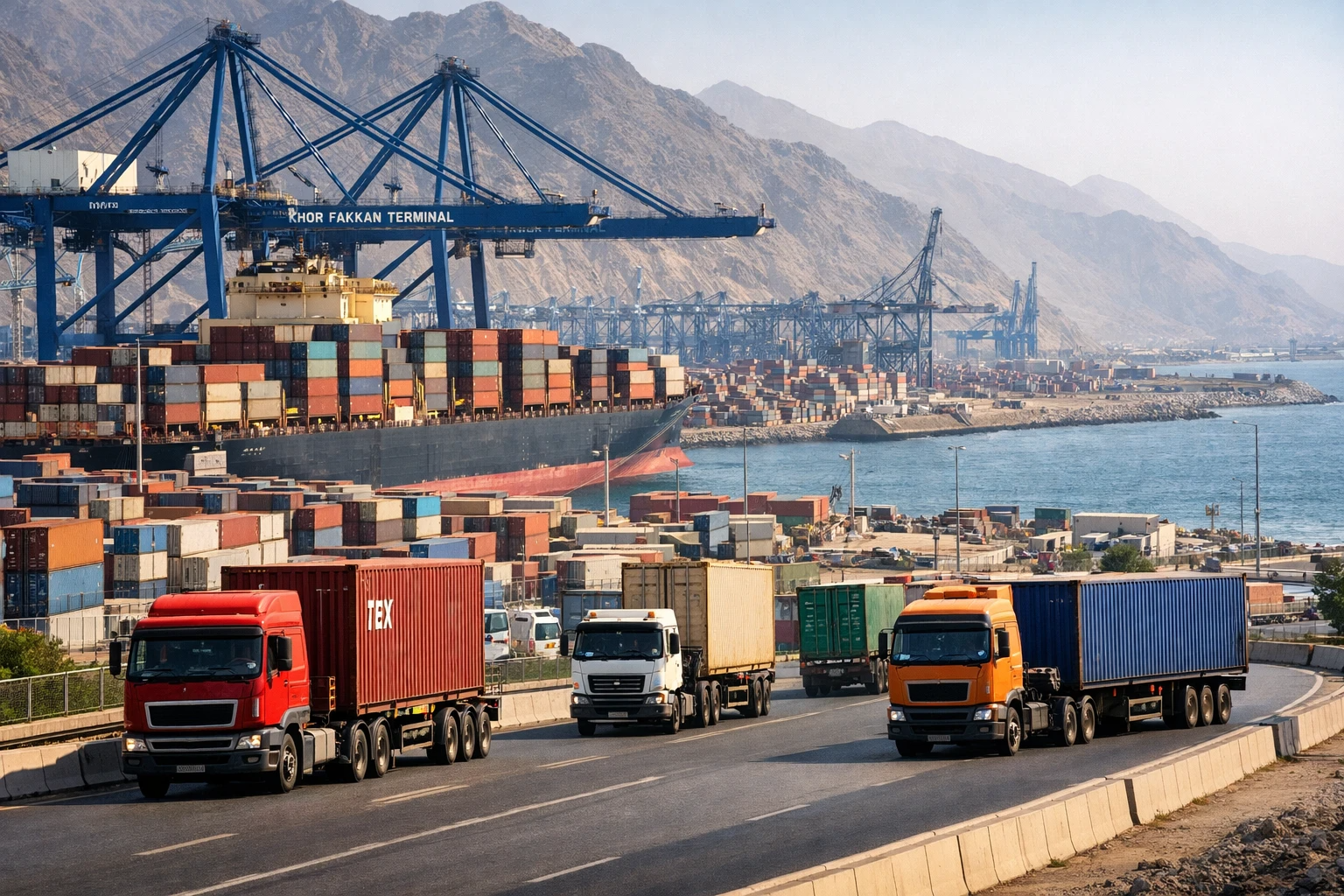
Canada’s steel imports arrive from a mix of regional and overseas origins and clear through deep-water ports on both the Pacific and Atlantic.
Canada sources imported steel from a combination of nearby and overseas suppliers. The United States is the dominant trade partner in both directions under the CUSMA/USMCA framework, with additional volumes arriving from Asian producers and from European mills for specific grades and certified products. The origin mix varies by product: semi-finished slab and hot-rolled coil follow different routes than reinforcing bar, welded mesh and cut-and-bend schedules.
On the import side, the principal maritime gateways are the Pacific ports of Vancouver (British Columbia) and Prince Rupert — Canada’s deepest natural harbour and a fast intermodal link to the interior — and, on the Atlantic side, the Port of Montreal on the St. Lawrence Seaway, which traditionally handles trade with Europe. Inland steel from the US also crosses by rail and road at land border points serving the industrial corridors of Ontario and Quebec. For European-origin rebar shipped from German ports, Montreal on the St. Lawrence and Vancouver on the Pacific are the natural points of discharge, with onward rail and road distribution to project sites nationwide.
What drives steel prices in Canada
There is no single fixed “Canada rebar price” — quotations move with global and regional drivers, so buyers should treat any figure as a moving benchmark rather than a constant. For rebar, structural sections and flat products, the main influences are:
- Raw-material and scrap costs — iron ore, metallurgical coal and ferrous scrap feed directly into mill economics.
- The CAD/USD exchange rate — most internationally traded steel is priced in US dollars, so loonie movements shift landed import costs.
- Trade policy & tariffs — CBSA anti-dumping and countervailing measures, safeguard surtaxes and CUSMA rules can change import competitiveness quickly.
- Energy, freight and port costs — electricity, ocean freight and discharge handling at Vancouver or Montreal all feed the delivered price.
- Construction and infrastructure demand cycles — transit, housing and resource projects keep long-product demand firm region by region.
Track current price ranges and benchmarks through specialist market sources rather than relying on static numbers. Reliable references include SteelOrbis, Fastmarkets and the global data published by worldsteel; trade-flow detail can be cross-checked against Statistics Canada’s CIMT data. For a certified, fixed export quotation to your discharge port, request a current price directly.
| Price driver | Effect on landed cost |
|---|---|
| Ferrous scrap / ore | Sets the mill cost floor |
| CAD / USD rate | Moves loonie import price |
| Tariffs & AD/CV duties | Step changes on specific origins |
| Ocean freight | Per-tonne delivered uplift |
| Demand cycle | Tightens or loosens premiums |
Certified German rebar, exported wholesale to Canada
When your project needs guaranteed grade, documentation and on-time delivery, we supply certified reinforcing steel from Germany direct to Canadian ports — in bulk, at export prices.
Certified grades
EN 10080 B500B / B500C TMT rebar with comparable ASTM A615 Gr60 and CSA G30.18 properties, supplied on every order.
Full documentation
3.1 Mill Test Certificates and quality certifications that clear CBSA customs and meet CSA G30.18 conformity.
Export to Canadian ports
Bulk rebar, welded mesh, coils and cut-and-bend schedules shipped to Vancouver, Montreal and Prince Rupert.
Wholesale & export, no middlemen
We sell direct to Canadian importers, contractors and distributors — the bulk pricing you get is mill-to-port, with no distributor layer in between.
Full product range in one shipment
B500B/Gr60 reinforcing bar, welded wire mesh, coils & wire rod and cut-and-bend schedules consolidated into one certified container or break-bulk load.
Importing steel to Canada — questions
Which steel rebar grades can be supplied to Canada?
What certifications come with steel exported to Canada?
What is the lead time to Canada’s main ports?
What is the minimum order quantity (MOQ) for bulk export?
Request a steel quote for Canada
Certified B500B / Gr60 rebar, mesh and cut-and-bend — exported wholesale from Germany to Vancouver, Montreal and Prince Rupert.