Steel Suppliers, Exporters & Wholesalers in South Korea
An export-focused guide to South Korea’s steel market: leading producers, rebar and structural price drivers, import flows through Busan and Incheon, and verified government trade data sources for buyers and specifiers.

South Korea’s steel market at a glance
South Korea is one of the world’s largest steel-producing nations, consistently ranking among the top global producers of crude steel. The industry is anchored by integrated mills and electric-arc-furnace operators that supply the country’s heavy concentration of shipbuilding, automotive, construction and electronics manufacturing. Because steel is so deeply embedded in Korea’s export economy, domestic demand tracks closely with construction cycles, large infrastructure programmes and the shipbuilding orderbook.
Despite its vast production base, Korea is both a major exporter and a significant importer of specific steel categories. Demand for reinforcing bar and long products is driven by apartment construction, transport infrastructure and redevelopment in the Seoul metropolitan area, while flat products feed the automotive and appliance supply chains. The market is mature and quality-conscious, with buyers expecting full mill certification, traceable heat numbers and conformity to recognised standards such as the Korean Industrial Standards (KS) alongside international references like EN, ASTM and BS.
For overseas suppliers, this creates clear opportunity in niche grades, project-specific reinforcement, mesh, coils and cut-and-bend service where reliable certification and on-time delivery to ports like Busan and Incheon matter more than headline tonnage. Comparable export dynamics appear across the region — see our country guides for Japan and Thailand.
Verified South Korean trade & statistics authorities
Primary sources for tariffs, import statistics, standards and port data. Always confirm current figures directly from these official bodies.
- Ministry of Trade, Industry and Energy (MOTIE)Industry & trade policy
- Korea Customs Service (KCS)Customs · tariffs · import/export clearance
- Statistics Korea (KOSTAT)National statistics office
- KOSIS — Korean Statistical Information ServiceTrade & industry statistics database
- Korean Agency for Technology and Standards (KATS) — KS standardsStandards body (Korean Industrial Standards)
- Busan Port Authority (BPA)Main import gateway / ports
Your wholesale rebar supplier & exporter to South Korea
Steel Rebar Germany supplies South Korea importers, contractors and distributors directly — bulk B500B/Gr60 rebar, welded mesh, coils and cut-and-bend at export prices, mill-certified to BS 4449 / ASTM A615, with full mill test certificates and no middlemen.
Bulk Orders
Container & break-bulk consignments to South Korea, every shipment mill-certified.
Export Prices
Direct mill-to-site pricing — no distributor markup on bulk rebar & mesh.
Same-Day Quote
How steel moves into South Korea
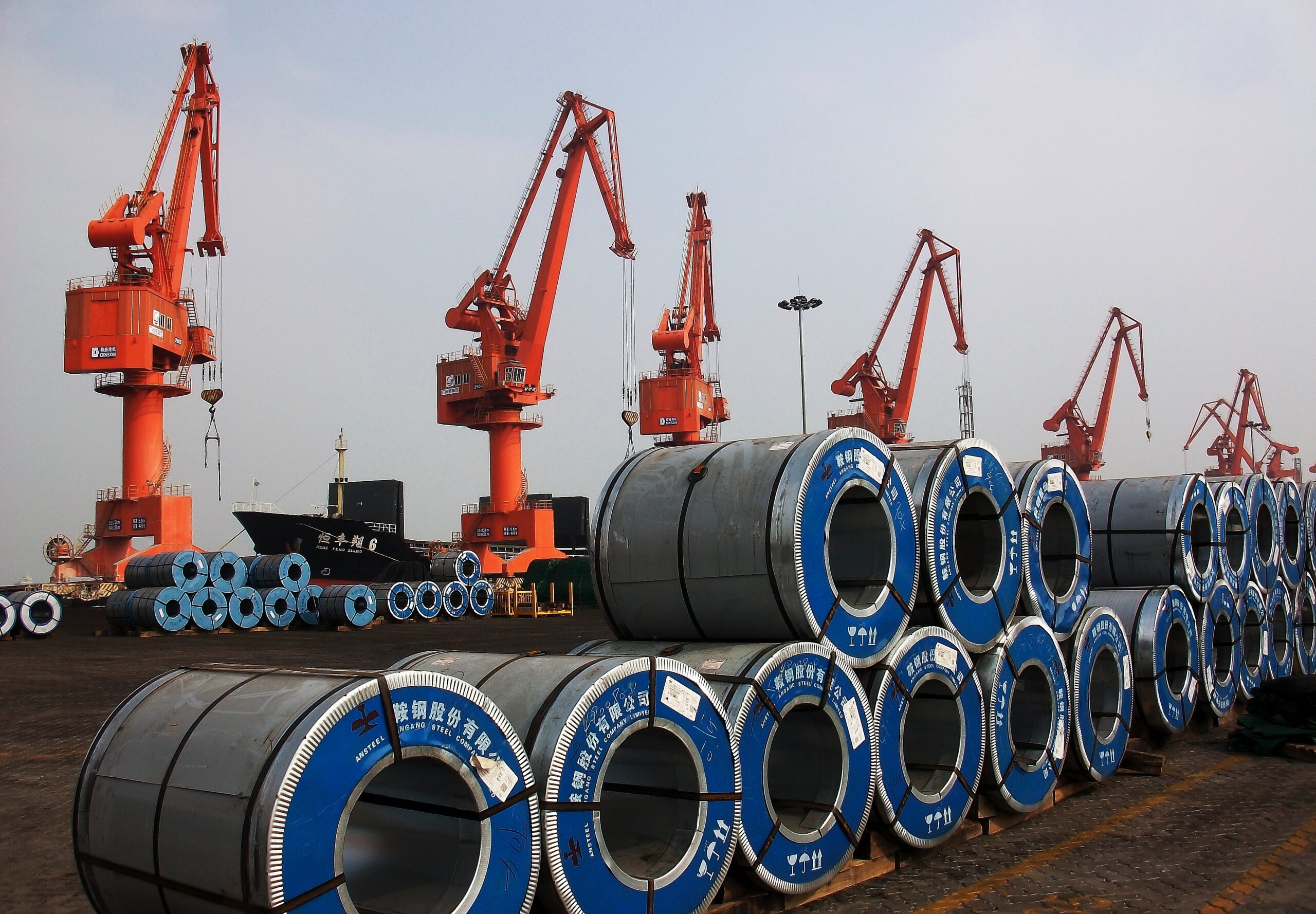
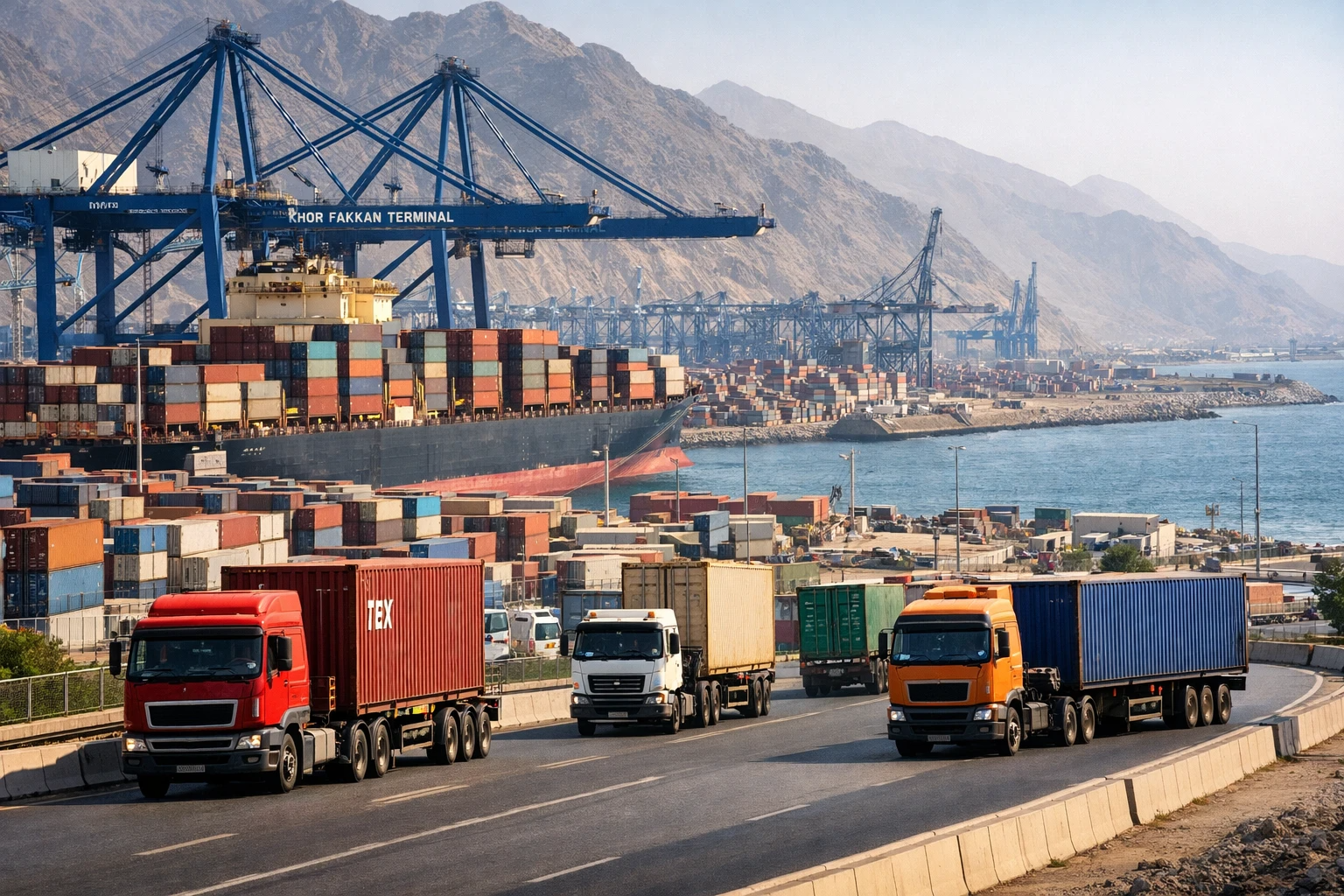
South Korea’s steel imports arrive predominantly through its major container and bulk ports. Busan — one of the world’s busiest container and transshipment hubs — handles a large share of general and containerised steel cargo, while Incheon serves the Seoul capital region and Gwangyang and Pohang sit alongside the country’s integrated steelworks for bulk movements. Ulsan supports the heavy-industry and shipbuilding belt.
The largest origin countries for imported steel into Korea are typically other Asian producers — notably China and Japan — supplemented by specialist and project-grade material from elsewhere. European-origin rebar and long products compete on certification quality, traceability and project-matched grades rather than on commodity price alone. For buyers, choosing the right discharge port and a supplier experienced in EN 10204 documentation and customs paperwork via the Korea Customs Service is decisive for clearance speed.
Regional buyers comparing routes may also review our guides for Qatar and Brazil to benchmark freight and origin options.
What drives steel prices in South Korea
Korean steel prices are shaped by global raw-material costs (iron ore, coking coal and ferrous scrap), regional supply-and-demand balance, energy costs and the won–dollar exchange rate. For reinforcing bar, scrap prices and domestic construction activity are the dominant levers; for structural sections and plate, shipbuilding and infrastructure demand carry more weight; and for flat products, automotive and appliance output sets the tone. Trade measures and anti-dumping reviews on certain imported categories can also move landed pricing.
Rather than quoting fixed figures, buyers should track live benchmarks. For verified pricing and market intelligence, consult independent sources such as SteelOrbis, Fastmarkets, MEPS International and worldsteel. Cross-check official import values and volumes against KOSIS statistics for a grounded view of the South Korean market.
Steel Rebar Germany quotes on a per-tonne CFR/CIF basis to your chosen Korean port so the landed cost is transparent — see TMT & reinforcing bar for product detail.
Why import rebar via Steel Rebar Germany
German-origin reinforcing steel, certified and consolidated for export to South Korea.
Certified grades
B500B / B500A to EN 10080 and DIN 488, with ASTM A615 Gr60 and BS 4449 equivalents and KS D 3504 reference matching on request.
Full documentation
EN 10204 3.1 Mill Test Certificates, CE marking and inspection support for smooth Korea Customs Service clearance.
Consolidated export
Rebar, welded mesh, coils and cut-and-bend shipped together to Busan or Incheon to optimise freight per tonne.
South Korea steel import — questions
Which rebar grades do you export to South Korea?
What certifications come with the steel?
What is the typical lead time to Busan?
What is the minimum order quantity?
Request a steel quote for South Korea →
Certified B500B / Gr60 rebar, mesh, coils and cut-and-bend, delivered CFR to Busan or Incheon.