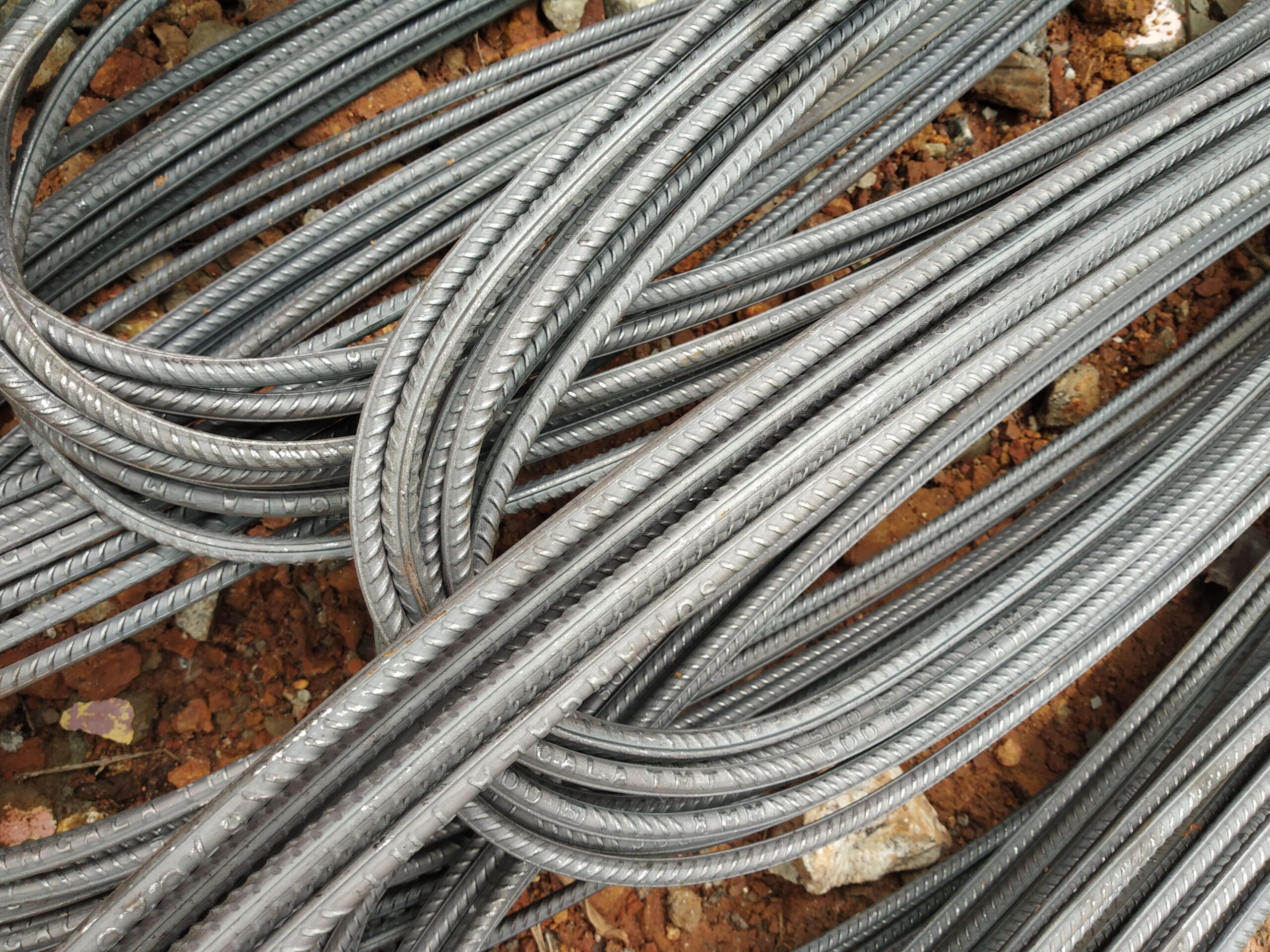
Incoterms for Steel Rebar Buyers: FOB, CFR, CIF, DAP
Incoterms for steel rebar buyers determine exactly where the seller’s obligations end and the buyer’s begin — covering cost, risk, freight, and insurance from the German loading port to your destination. Choosing the right term can protect your budget and simplify your import process significantly.
What Are Incoterms and Why Do They Matter for Rebar?
Incoterms (International Commercial Terms), published by the International Chamber of Commerce (ICC), are a standardised set of trade terms that define the respective obligations of the seller and buyer in an international sales contract. The current edition is Incoterms 2020. For bulk commodities like steel rebar — shipped in multi-tonne seaworthy bundles by container or break-bulk vessel — the choice of Incoterm has direct implications for who pays freight and marine insurance, who handles export and import customs clearance, and at which precise point the risk of loss or damage transfers from seller to buyer.
The four Incoterms most commonly used in international rebar trade are FOB, CFR, CIF, and DAP. Each is explained below. The full comparison table follows.
FOB — Free On Board (Named Port of Shipment)
Under FOB (e.g. “FOB Hamburg”), the seller delivers the rebar on board the vessel nominated by the buyer at the named port of shipment. Risk transfers to the buyer once the goods are on board. The buyer arranges and pays for the main sea freight and marine insurance. The seller handles export customs clearance.
When to use FOB: When the buyer has an established relationship with a freight forwarder or shipping line, or when the buyer’s insurer requires them to hold the marine insurance policy. FOB is the most common Incoterm in commodity rebar contracts.
CFR — Cost and Freight (Named Port of Destination)
Under CFR (e.g. “CFR Jeddah”), the seller pays freight to the named destination port but risk transfers to the buyer once the goods are on board the vessel at the port of origin — the same risk transfer point as FOB. The buyer arranges marine insurance from that point. The seller handles export clearance; the buyer handles import clearance and inland delivery at destination.
When to use CFR: When the buyer wants the seller to handle freight booking (useful when the seller has better freight rates or market knowledge) but the buyer prefers to hold their own marine insurance policy.
CIF — Cost, Insurance and Freight (Named Port of Destination)
Under CIF (e.g. “CIF Dubai”), the seller pays freight and procures minimum marine insurance cover to the named destination port. Risk transfers at the same point as FOB/CFR (on board at origin). The seller handles export clearance; the buyer handles import clearance and inland delivery.
When to use CIF: CIF is convenient for buyers who prefer a single door-to-port price and are comfortable with the seller’s minimum insurance cover (Institute Cargo Clauses C). Note: CIF insurance minimum is “minimum cover” only — buyers with specific insurance requirements should consider FOB or CFR with their own policy, or request enhanced cover explicitly.
DAP — Delivered at Place (Named Place of Destination)
Under DAP (e.g. “DAP Casablanca port yard”), the seller bears all costs and risk until the goods are delivered at the named destination — ready for unloading — but before import duties. The buyer handles import customs clearance and pays import duties/taxes. The seller arranges freight, insurance, and export clearance.
When to use DAP: When the buyer wants maximum simplicity — a single delivered price with the seller managing all logistics. DAP is increasingly common for project deliveries to inland destinations or where the buyer lacks established freight infrastructure in the country of origin.
Incoterms Comparison Table for Rebar Buyers
| Incoterm | Freight paid by | Marine insurance paid by | Risk transfers at | Export clearance | Import clearance |
|---|---|---|---|---|---|
| FOB | Buyer | Buyer | On board at origin port | Seller | Buyer |
| CFR | Seller | Buyer | On board at origin port | Seller | Buyer |
| CIF | Seller | Seller (min. cover) | On board at origin port | Seller | Buyer |
| DAP | Seller | Seller | Ready for unloading at destination | Seller | Buyer |
Practical Considerations for Rebar Shipments
Several practical points apply specifically to bulk rebar export:
- Container vs break-bulk: Small orders (typically up to one 20-foot container, ~18–20 tonnes) are commonly shipped in containers. Larger orders may ship break-bulk or in flat-rack containers. The Incoterm must specify the loading port and — for CFR/CIF/DAP — the destination port or place with sufficient precision.
- Port charges at destination: Under FOB, CFR, and CIF, port handling, demurrage, and inland haulage at the destination are the buyer’s account. These costs vary significantly by destination port and should be verified before finalising the landed cost.
- Letter of credit (L/C) requirements: If payment is via L/C, the Incoterm must match the L/C terms. Banks typically require a full set of original bills of lading (B/L) for maritime Incoterms. Confirm with your bank before fixing the contract term.
- Insurance: For high-value project orders, buyers are advised to take out Institute Cargo Clauses A (all-risks) cover rather than the minimum Clauses C provided under CIF.
For full details on how we handle export documentation and logistics, visit our Export and Delivery page. To discuss the best Incoterm for your destination and order size, request a quote — we are happy to quote on any Incoterms 2020 basis.
Frequently Asked Questions
Common questions from international rebar buyers about Incoterms.
Which Incoterm is most common for international rebar orders?
Under FOB, when exactly does risk transfer to the buyer?
What is the difference between CFR and CIF for rebar?
Does the Incoterm affect the Mill Test Certificate and export documentation?
Can Steel Rebar Germany quote on DAP terms to my project site?
Source German-standard rebar with full export documentation
Tell us your specification and destination port — we’ll respond with a detailed quotation.