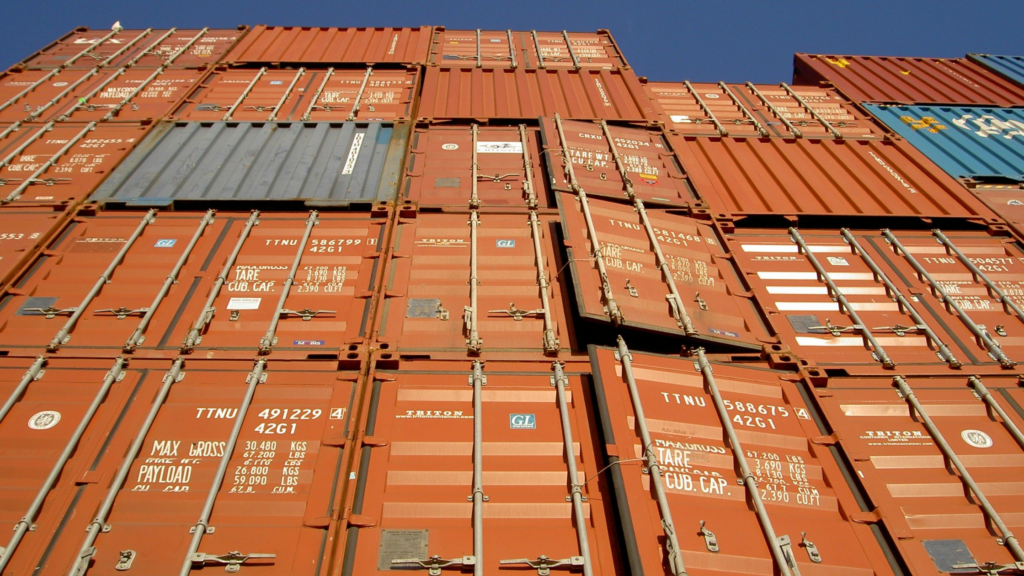
Steel Import Statistics Netherlands
A practical read on Dutch steel and rebar import data for procurement teams — where the official numbers come from, what they reveal about demand, and how to convert them into bulk supply from a direct exporter.
Why steel import statistics matter to Dutch buyers
The Netherlands is a compact but heavily industrialised steel market sitting at the logistical heart of Northwest Europe. Domestic crude-steel output is concentrated in a small number of integrated works, which means a large share of the reinforcing steel, mesh and structural sections consumed on Dutch construction sites is imported — either as finished product or as semi-finished feedstock processed locally. For procurement managers, distributors and contractors, official steel import statistics are not an academic curiosity. They are the clearest available signal of supply tightness, price direction and how dependent a given quarter is on overseas tonnage.
Because so much of that tonnage arrives by sea, the Netherlands punches well above its size in steel logistics. The Port of Rotterdam is Europe’s largest seaport and a primary entry point for reinforcing bar, coil and plate moving into the wider EU single market. Reading the import data alongside throughput trends helps buyers anticipate when local stock will run thin and when it pays to lock in a bulk supply agreement in advance.
What the official figures actually tell you
Headline import volumes are useful, but the value sits in the detail. When you read Dutch steel trade data, look past the single total and break it down:
- Product split — long products (rebar, wire rod, sections) versus flat products (coil, plate). Construction-led demand shows up in the long-product line first.
- Country of origin — a shifting origin mix can signal trade-defence measures, freight disruption or new sourcing routes opening up.
- Volume versus value — rising value on flat volume is a price-pressure signal; rising volume on flat value points to softening demand or competitive import offers.
- Seasonality — Dutch construction activity, and therefore rebar pull-through, follows a predictable annual rhythm that the monthly series exposes.
Cross-referencing these against your own project pipeline turns raw statistics into a buying calendar — the foundation of any disciplined bulk order strategy.
Prices, demand and what is driving the numbers
Import statistics never move in isolation. Dutch steel pricing is shaped by EU energy costs, scrap and ore input prices, freight on the deep-sea and short-sea routes into Rotterdam, carbon and trade-policy frameworks, and the underlying pace of construction and infrastructure spend. When import volumes climb while landed prices firm, it usually reflects genuine demand rather than restocking; when volumes fall against stable prices, buyers are typically drawing down existing inventory.
For independent reads on these drivers, procurement teams cross-check official trade data with market intelligence from sources such as worldsteel, SteelOrbis and Fastmarkets. We never publish invented spot numbers — current export prices for your tonnage and grade are confirmed in writing on a live quote, because they move with the market.
From statistics to supply: bulk rebar export to the Netherlands
Reading the data is one half of the job; securing reliable tonnage at a competitive landed cost is the other. Steel Rebar Germany works as a direct wholesale supplier and exporter into the Netherlands — not a broker layer between you and the mill. That structure removes middleman margin and keeps your export prices transparent on every bulk order. What we ship in volume:
- Reinforcing bar in B500B and Grade 60 (TMT) to EN 10080 and equivalent specifications.
- Welded mesh, coils and cut-and-bend rebar produced to your bar schedules.
- Full product range across the rebar catalogue, consolidated into mixed containers or bulk vessels.
- Mill test certificates (EN 10204 3.1) and CE documentation with every consignment.
Tonnage is routed through the deep-water terminals at Rotterdam, with onward delivery arranged to your yard or project site. As a distributor-friendly exporter we quote landed, all-in pricing so you can compare like for like against domestic stock. Buyers comparing markets can review our steel by country overview, or the neighbouring hubs for Belgium, Germany and France.
Official data sources you can verify yourself
Every figure cited in a Dutch steel import analysis should trace back to a primary source. These are the authorities procurement teams rely on:
- Statistics Netherlands (CBS) — national trade and production statistics.
- Dutch Customs (Douane) — import procedures, tariff classification and clearance.
- Government of the Netherlands — export, import and customs policy.
- Eurostat and the EU trade portal — EU-level steel trade and safeguard data.
Pair these official feeds with a direct line to a bulk steel supplier and you have both the macro picture and a live route to tonnage.
Bulk supply questions, answered
What is the minimum order quantity (MOQ) for export to the Netherlands?
What is the lead time to Rotterdam?
How is bulk pricing set, and can I see current export prices?
Turn the import data into delivered tonnage
Get a direct wholesale quote on bulk rebar, mesh and cut-and-bend, landed at Rotterdam — export prices, MTCs and lead times confirmed in writing.