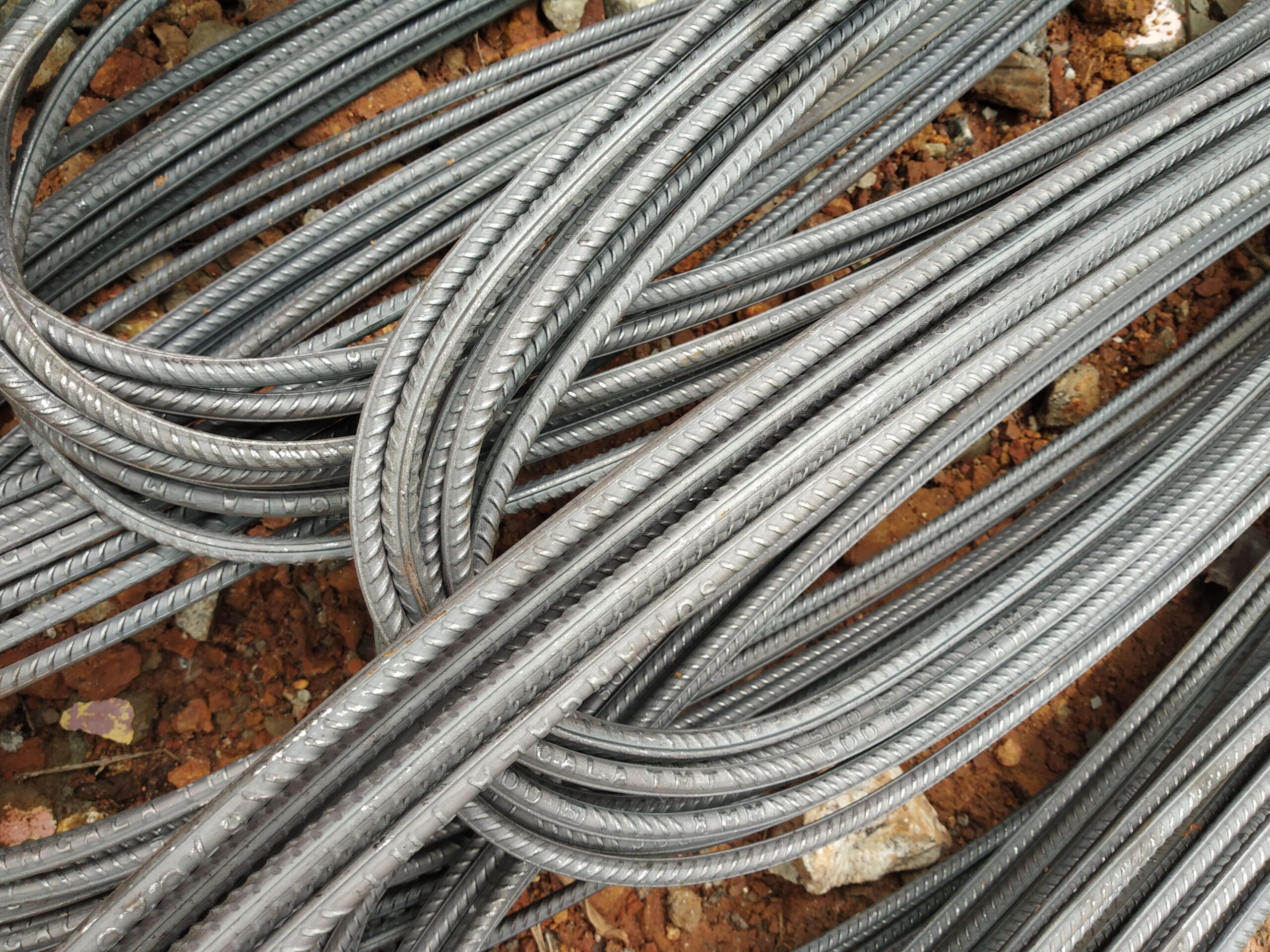
Rebar Market Canada
A practical B2B overview of Canada’s rebar market — construction-led demand, domestic mill supply, import flows and how bulk buyers secure certified reinforcing steel at export prices from Germany.
Inside Canada’s rebar market
Canada’s rebar market is driven by a large, sustained construction and infrastructure programme: residential and commercial building across the Greater Toronto and Vancouver areas, transit expansion, highways and bridges, and heavy civil work tied to mining and energy. Reinforcing steel to CSA G30.18 in Grade 400W and 500W is the workhorse, and demand tracks the pace of concrete-intensive construction nationwide.
Domestic supply is well established. Gerdau (Whitby, Cambridge, Selkirk), ArcelorMittal Long Products, Ivaco and AltaSteel roll rebar and merchant bar from EAF scrap, covering a large share of national demand. Yet Canada remains an active importer, drawing on cross-border and overseas supply for specific grades, diameters and volumes — and to absorb demand peaks when multiple large projects run at once. See our Canada steel guide for the wider context.
For buyers, the market rewards certified, traceable supply and reliable delivery. A dependable import channel complements domestic mills and protects project schedules when local availability tightens.
Price drivers in the Canadian rebar market
Rebar, structural-steel and plate prices in Canada do not move in isolation — they track North American benchmarks. The forces most likely to steer the market are scrap and billet input costs at domestic EAF mills, United States hot-rolled and rebar pricing, energy costs, the Canadian dollar exchange rate, ocean and rail freight, and trade measures administered under SIMA. When construction seasons peak or several large public projects tender at once, availability tightens and premiums firm up.
Because spot numbers date quickly and any invented figure would mislead a buyer, we do not publish price points here. The disciplined approach is to track live North American indices and confirm a firm landed price per order. Reliable references for building your own view include:
- SteelOrbis — North American rebar and structural price coverage.
- Fastmarkets — steel and scrap assessments and analysis.
- worldsteel — global production and demand statistics for context.
Cross-check import unit values against the official Canadian sources listed below, then benchmark against a live export quote. See our TMT & reinforcing rebar overview for the grade specifications behind any number.
Your wholesale rebar supplier & exporter to Canada
Steel Rebar Germany supplies Canadian contractors, distributors and fabricators as a direct wholesale supplier & exporter — bulk B500B / Grade 60 rebar (to CSA-comparable specifications), welded mesh, coils and cut-and-bend at export prices, mill-certified to BS 4449 / ASTM A615 with full Mill Test Certificates and no middlemen.
Bulk Orders
Container and break-bulk consignments to Canada, every shipment mill-certified with EN 10204 3.1 MTCs.
Export Prices
Direct mill-to-site pricing — no distributor markup on bulk rebar, mesh, coils and cut-and-bend.
Coast-to-Coast Logistics
Routing to Montreal and Vancouver with rail onward, consolidated loads for smaller fabricators.
Verify the market against official Canada data
Before committing to any bulk purchase, confirm tariffs, import volumes and standards directly from primary national authorities and port sources.
Logistics reference: Port of Vancouver and Port of Montreal handle the bulk of Canada’s steel import traffic.
Bulk rebar supply to Canada — key questions
What is the minimum order quantity (MOQ) for bulk rebar to Canada?
What is the lead time to Canada’s main ports?
How is bulk export pricing set for the Canadian market?
Plan your Canada rebar supply
Certified B500B / Grade 60 rebar, mesh and cut-and-bend from Germany, delivered to Montreal, Vancouver and across Canada. Compare markets via Steel by Country or neighbouring United States, Mexico, Germany guides.