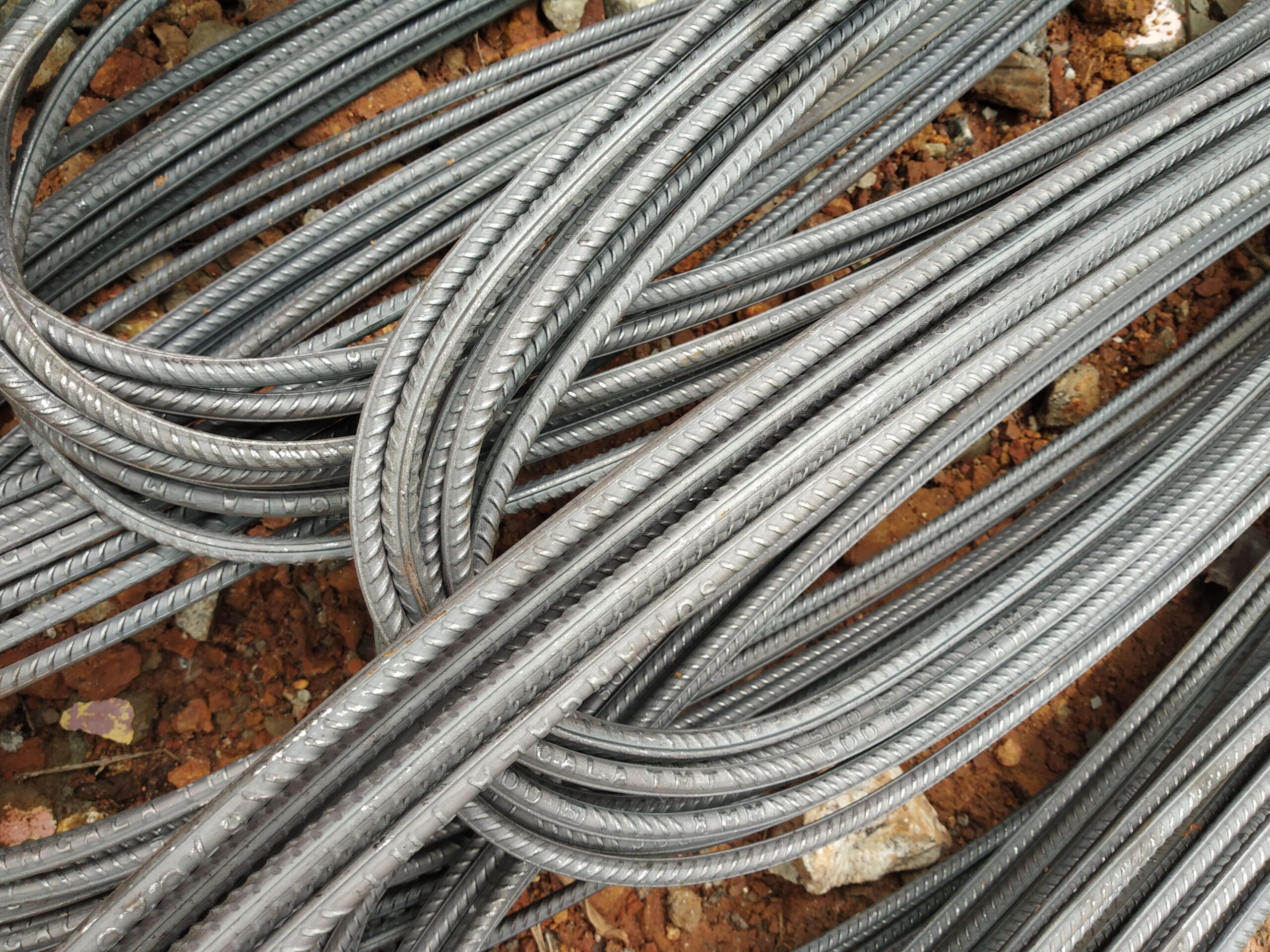
Rebar Price South Korea
Rebar price in South Korea reflects construction demand, global billet costs and freight — and bulk buyers save most by sourcing direct from an exporter.
What moves rebar prices in South Korea
Rebar prices in South Korea are shaped by domestic construction demand across the Seoul Capital Area and Incheon, competition from local mills, and the landed cost of imported reinforcing bar through Busan and other ports. Because South Korea both produces and imports long products, delivered rebar pricing sits at the intersection of domestic mill output and global import parity. Wholesale buyers reduce cost volatility by sourcing certified bulk rebar directly from an exporter — cutting the layered margins that inflate multi-tier supply chains.
As a wholesale supplier and exporter, Steel Rebar Germany serves importers, contractors and distributors across South Korea — from the South Korea steel hub to regional projects — with certified TMT steel rebar and the wider rebar product range.
Prices & market insight
Key rebar-price drivers are billet and scrap costs, iron-ore and coking-coal input prices, ocean freight, and the won’s exchange rate. Rather than quoting invented figures, buyers should read live market indices for direction. Direct-from-exporter bulk supply removes middleman markups, improving delivered price against distributor offers.
For live, independent direction on long-product and rebar pricing, buyers commonly follow SteelOrbis, Fastmarkets and MEPS International, alongside global output data from worldsteel. We never quote invented figures — every offer is a live, delivered price to your port.
Bulk supply & export to South Korea
Steel Rebar Germany exports bulk B500B and Grade 60 reinforcing bar, welded mesh, coils and cut-and-bend directly to South Korean buyers — with full mill test certificates (MTC) and no middleman layers between mill and your project. Container-to-vessel volumes ship through Busan, Incheon and Ulsan, giving importers competitive export prices and traceable, standard-conforming steel.
- Products: B500B / Grade 60 rebar, welded mesh, coils, cut & bend — see the full rebar products range.
- Documentation: mill test certificates, standard conformity, export packing.
- Direct pricing: exporter-to-buyer supply removes distributor markups.
- Nearby markets we also export to: Japan, Vietnam, Taiwan.
Official data sources for South Korea
For verified trade, customs and statistical data on South Korean steel, buyers should reference official and independent sources — informational only:
- Korea Customs Service (KCS) — import/export clearance and tariff data.
- KOSIS — Korean Statistical Information Service (Statistics Korea / KOSTAT) — national trade and industry statistics.
- worldsteel — global steel production and demand data.
- SteelOrbis, Fastmarkets & MEPS — independent price benchmarks.
Explore more markets on our steel by country index.
Bulk supply to South Korea — buyer FAQ
What is the minimum order quantity (MOQ) for bulk rebar to South Korea?+
What is the lead time to Busan or Incheon?+
How is bulk pricing structured for exporters and distributors?+
Get a bulk rebar export quote for South Korea
Certified B500B & Grade 60 rebar, wholesale prices, direct from Steel Rebar Germany to Busan, Incheon & Ulsan.