
Steel Suppliers, Exporters & Wholesalers in Saudi Arabia
A practical guide to the Saudi steel market — major producers, rebar pricing drivers, import & trade flow, and verified government data sources — for buyers sourcing reinforcing steel for Vision 2030 and giga-project construction.
The Saudi steel market at a glance
Saudi Arabia is the largest steel-consuming market in the GCC, with reinforcing bar demand driven almost entirely by construction. National rebar consumption is reported in the order of 14–15 million tonnes a year and rising, tracking a construction pipeline that exceeds USD 120 billion in annual output. Demand is concentrated around the Kingdom’s giga-projects — NEOM and The Line, Red Sea Global, Diriyah Gate and Qiddiya — alongside Expo 2030 Riyadh and FIFA World Cup 2034 venue programmes.
Domestic mills supply the bulk of long products, but demand for mild steel bars, rods, billets, hot-rolled coil and structural sections regularly outpaces local production, keeping the Kingdom a consistent net importer of several steel categories. This combination of Vision 2030 infrastructure intensity and import dependency makes Saudi Arabia one of the most active steel-sourcing markets in the Middle East. Buyers comparing options often weigh local supply against imported European rebar such as TMT / B500B reinforcing bar for grade, certification and lead-time reasons.
Saudi Arabia also anchors a wider Gulf sourcing region — see our market guides for steel suppliers in the UAE, Qatar, Kuwait and Jordan.
Official Saudi data & regulatory authorities
Verified primary sources for import statistics, customs procedure, standards and port operations in the Kingdom of Saudi Arabia.
- Ministry of Industry & Mineral Resources Industrial policy, steel-sector licensing and the Kingdom’s mining & metals strategy.
- Zakat, Tax & Customs Authority (ZATCA) Customs tariffs, import duties, clearance and the Saber/SABER conformity import platform.
- General Authority for Statistics (GASTAT) Official foreign-trade, import/export and construction statistics for the Kingdom.
- Saudi Standards, Metrology & Quality Org. (SASO) Saudi steel & rebar standards and conformity-assessment requirements for imports.
- Saudi Ports Authority (Mawani) Operator of Jeddah, Dammam, Yanbu & King Abdullah ports — the gateways for steel imports.
Your wholesale rebar supplier & exporter to Saudi Arabia
Steel Rebar Germany supplies Saudi Arabia importers, contractors and distributors directly — bulk B500B/Gr60 rebar, welded mesh, coils and cut-and-bend at export prices, mill-certified to BS 4449 / ASTM A615, with full mill test certificates and no middlemen.
Bulk Orders
Container & break-bulk consignments to Saudi Arabia, every shipment mill-certified.
Export Prices
Direct mill-to-site pricing — no distributor markup on bulk rebar & mesh.
Same-Day Quote
How steel moves into Saudi Arabia
Although Saudi mills cover most long-product demand, the Kingdom imports billets, hot-rolled coil, structural sections, wire rod and finished bar to bridge supply gaps during peak construction. Typical origin markets for imported steel include China, Turkey, India, the wider GCC, and European suppliers, with sourcing shaped by price, grade availability and conformity to SASO requirements.
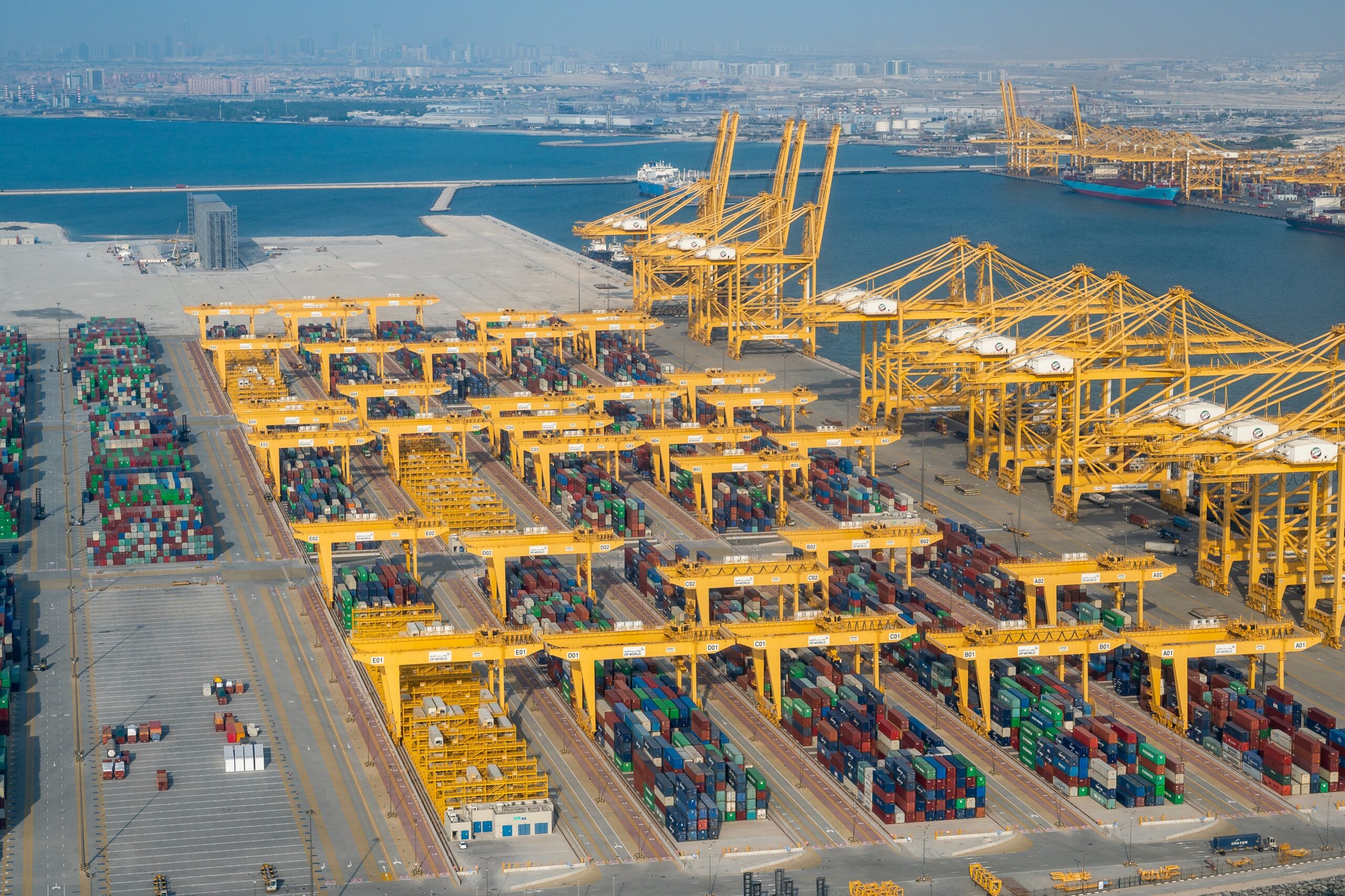
Seaborne cargo enters primarily through the Kingdom’s flagship ports:
- Jeddah Islamic Port — the largest gateway on the Red Sea, handling a majority share of the country’s seaborne imports and serving the central and western regions.
- King Abdulaziz Port (Dammam) — the principal Arabian Gulf gateway for the Eastern Province and Riyadh corridor.
- King Abdullah Port & Yanbu — fast-growing Red Sea hubs supporting industrial and giga-project logistics.
European shipments typically route via the Suez Canal to Jeddah, or onward to Dammam for eastern destinations — a corridor we use for rebar export from Germany.
What drives rebar & steel prices in Saudi Arabia
Saudi rebar and structural-steel prices move with a familiar set of drivers: scrap and billet costs, energy prices, freight and Suez routing, currency, and the project pipeline. When giga-project execution accelerates, mill order books tighten and domestic long-product prices firm; when global scrap eases, delivered prices soften. Flat products (HRC, plate) track separate global benchmarks and import parity.
Rather than quote a fixed figure that dates quickly, we recommend tracking live benchmarks. For current Saudi and Gulf rebar, billet and HRC assessments, consult independent market reporters:
- SteelOrbis — Middle East rebar, billet and scrap pricing and news.
- Fastmarkets — global steel and raw-material price assessments.
- worldsteel (World Steel Association) — production and demand statistics.
For a like-for-like comparison on imported European rebar, request a current quote against your grades and tonnage — see our rebar products and quality certifications for full specifications.
German rebar export, built for Saudi projects
Certified reinforcing steel, supplied to your drawings and shipped to Jeddah or Dammam.
Certified grades
B500B / B500C rebar to EN 10080, matched to ASTM A615 Grade 60 / 75 where your Saudi structural drawings require it — with full 3.1 Mill Test Certificates.
Full product range
Straight bar, rebar in coil, welded mesh, and cut & bend to schedule — plus structural sections and coils — consolidated for efficient container loading.
Export to KSA
Documentation aligned to SASO/SABER, CE marking and MTC, with sea freight via Suez to Jeddah Islamic Port or King Abdulaziz Port (Dammam).
Saudi Arabia steel sourcing — FAQ
Which rebar grades are used in Saudi Arabia?
What certifications come with rebar exported to Saudi Arabia?
What is the lead time for delivery to Jeddah or Dammam?
What is the minimum order quantity for export to Saudi Arabia?
Request a steel quote for Saudi Arabia
Send your grades, tonnage and destination port — we’ll quote certified rebar, mesh and cut & bend delivered to Jeddah or Dammam.