
Steel Suppliers, Exporters & Wholesalers in United States
An authoritative overview of the US steel market: leading domestic producers, official government trade and import data, port and pricing dynamics, and how to import certified B500B / ASTM Gr60 rebar from Germany.

Your wholesale rebar supplier & exporter to United States
Steel Rebar Germany supplies United States importers, contractors and distributors directly — bulk B500B/Gr60 rebar, welded mesh, coils and cut-and-bend at export prices, mill-certified to BS 4449 / ASTM A615, with full mill test certificates and no middlemen.
Bulk Orders
Container & break-bulk consignments to United States, every shipment mill-certified.
Export Prices
Direct mill-to-site pricing — no distributor markup on bulk rebar & mesh.
Same-Day Quote
Official US steel & trade data sources
Steel Rebar Germany is a direct wholesale rebar supplier & exporter — bulk B500B/Gr60 to United States at export prices, no middlemen. The organisations below are official government, customs & statistics sources only.
Verify import volumes, tariffs and production with primary US government and trade-authority sources. All links open the official agency site.
- U.S. Department of Commerce — International Trade Administration (Steel Import Monitor)Industry & trade authority: near-real-time steel import licence and Census data by country and product.
- U.S. Customs and Border Protection (CBP) — Trade Remedies & Section 232National customs authority: tariff classification, Section 232 steel duty guidance and entry requirements.
- U.S. Census Bureau — Imports for Consumption of Steel Products (FT900A)National statistics office: monthly steel import statistics by category and origin country.
- U.S. International Trade Commission (USITC)Trade-policy body: HTS tariff schedule, antidumping/countervailing investigations and DataWeb trade data.
- U.S. Geological Survey (USGS) — Iron & Steel StatisticsStatistical authority: production, consumption, imports and exports in the Mineral Commodity Summaries.
- American Iron and Steel Institute (AISI) — Industry DataNational standards/industry body: weekly raw-steel production and capability-utilization reporting.
How steel reaches the United States
The United States imports steel from a broad set of trading partners. Historically the largest origin countries for US steel imports include Canada, Mexico, Brazil, South Korea, Japan, Germany and other producers, with the mix shifting in response to tariffs, quotas and exchange-agreement frameworks. Always confirm current rankings via the Census Bureau and the ITA Steel Import Monitor cited above.
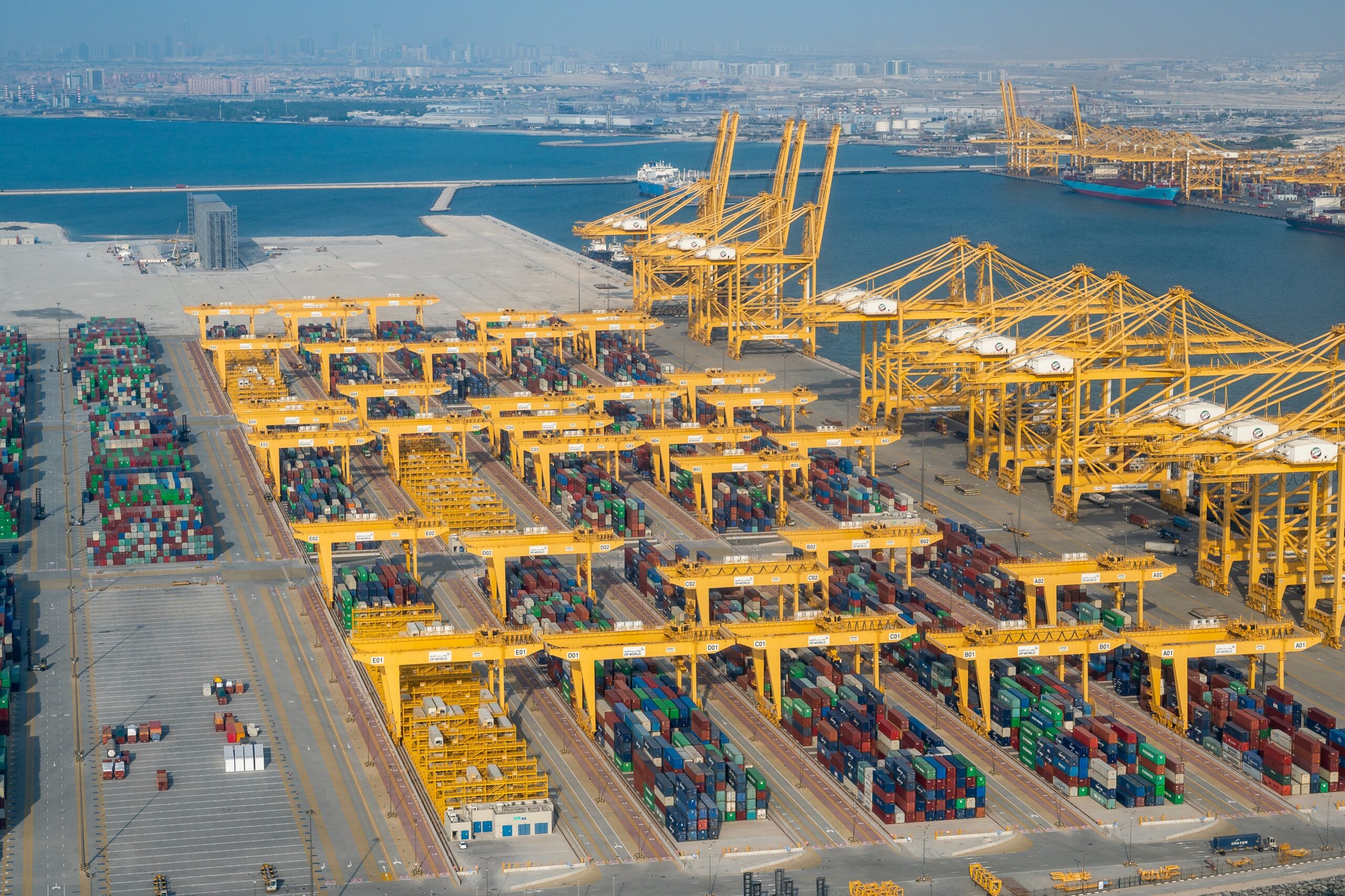
Imported steel enters through major US seaports and Great Lakes / river terminals. Key gateways for steel and rebar cargo include:
- Port of Houston (TX) — a leading Gulf gateway for steel, pipe and OCTG imports serving the energy and construction sectors.
- Port of New Orleans (LA) — a major bulk and breakbulk steel port on the Mississippi with onward river/rail distribution.
- Port of New York & New Jersey — the largest East Coast gateway for containerized and breakbulk steel.
- Ports of Mobile (AL), Savannah (GA) and the Great Lakes — important regional inlets for long products and flat steel.
From port, steel moves inland by rail, barge and truck to service centers and fabricators. Customs clearance, HTS classification and Section 232 duty are handled at entry via CBP. For shipments from Germany, we coordinate documentation to align with US import procedures — see quality & certifications.
What drives US steel & rebar prices
US steel pricing — for rebar, structural sections and flat-rolled products — is shaped by several interacting factors. We do not publish spot prices here; for live benchmarks consult the specialist market services below.
- Scrap and input costs: with EAF mills dominant, ferrous scrap prices (shredded, busheling) are a primary driver of rebar and long-product pricing.
- Section 232 tariffs & trade remedies: the 50% steel tariff and antidumping/countervailing duties raise the landed cost of many imports and support domestic mill pricing.
- Construction demand & infrastructure spending: federal and state infrastructure programs lift rebar consumption and pricing.
- Energy, freight and FX: natural-gas and electricity costs, inland freight, and the USD exchange rate against the euro affect both domestic and imported steel economics.
Track US and global price movements via these market sources: SteelOrbis, Fastmarkets, MEPS International and the global production data of worldsteel. For US-specific volumes, cross-check the Census Bureau and USGS figures referenced in Section 02.
Import certified rebar to the US via Steel Rebar Germany
German mill quality, full traceability and export logistics built for US importers, fabricators and EPC contractors.
Certified grades
B500B / B500A reinforcing steel matched to ASTM A615 Gr60 and Gr75 requirements, plus mesh, coils and structural products — every heat documented.
Full documentation
3.1 Mill Test Certificates (EN 10204) and CE marking to EN 1090, with paperwork aligned to US Customs entry and Section 232 reporting. See certifications.
Cut & bend + export logistics
Cut-and-bend rebar to schedule and consolidated container or bulk-vessel shipping to US Gulf and East Coast ports. Explore TMT steel rebar and the full rebar product range.
Importing steel to the United States — FAQ
Which steel grades do you supply to the United States?
What certifications come with steel imported to the US?
What is the lead time to a US port like Houston or New Orleans?
What is the minimum order quantity (MOQ) for export to the US?
Request a steel quote for the United States →
Tell us your grades, tonnage and destination port. We’ll return a certified, export-ready quotation.