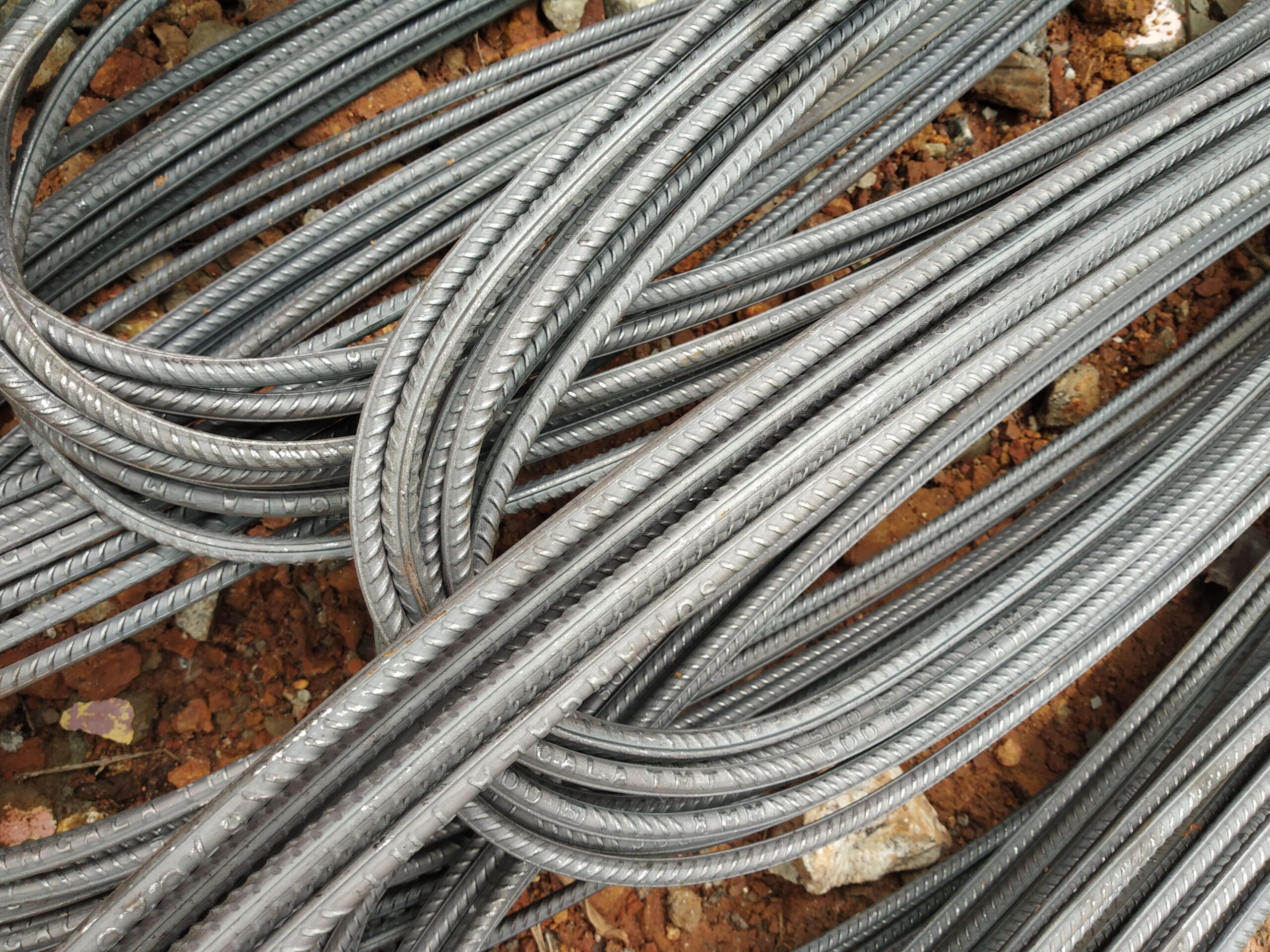
HS Codes for Steel Rebar
Correctly classifying reinforcing steel under the Harmonized System (HS) is essential for customs clearance, import duty calculation, and trade statistics reporting. This guide explains which HS codes apply to the main categories of steel rebar exported from Germany.
What Are HS Codes and Why Do They Matter for Steel?
The Harmonized Commodity Description and Coding System — commonly known as the Harmonized System (HS) — is an internationally standardised nomenclature maintained by the World Customs Organization (WCO) and used by more than 200 countries as the basis for customs tariffs, import/export statistics, and trade policy measures. Every product traded internationally is assigned an HS code, which determines the applicable import duty rate, whether anti-dumping measures apply, and what licensing or documentation requirements are in force at the destination.
For steel products, HS codes are found in Chapter 72 of the HS nomenclature (“Iron and steel”). The specific heading that governs reinforcing bar — rebar — is HS 7214, with sub-headings that distinguish between plain bars and deformed (ribbed) bars, and between different carbon content levels.
HS Code Structure for Steel Rebar
The HS code hierarchy for rebar typically reads as follows at the international 6-digit level:
| HS Code | Description | Typical Rebar Type |
|---|---|---|
| 7214.10 | Bars and rods of iron or non-alloy steel, forged, hot-rolled etc — containing indentations, ribs, grooves or other deformations produced during rolling | Standard ribbed/deformed rebar (B500B, DIN 488) |
| 7214.20 | Other bars, containing by weight less than 0.25% of carbon — of rectangular cross-section | Plain round bars, mild steel |
| 7214.91 | Bars and rods of circular cross-section, < 14 mm | Small-diameter plain round bar |
| 7214.99 | Other bars and rods | Other configurations not elsewhere specified |
| 7213.10 | Bars and rods in irregularly wound coils — with indentations, ribs etc | Deformed rebar in coil (B500A/B500B coil, 6–16 mm) |
| 7213.91 | Bars and rods in coils — circular cross-section, < 14 mm | Small-diameter coiled bar |
| 7221.00 | Bars and rods of stainless steel in irregularly wound coils | Stainless coil (not typical construction rebar) |
For the vast majority of B500B reinforcing bar exported as straight bars in standard lengths (6–18 m), the applicable heading is 7214.10 — deformed bars of iron or non-alloy steel, produced by hot-rolling with ribs or indentations formed during the rolling process.
EU Combined Nomenclature (CN) Codes for German Exports
Within the European Union, the Combined Nomenclature (CN) extends the 6-digit HS code to 8 digits for export statistics (Extrastat) and intra-EU trade declarations (Intrastat). The 8-digit CN subheadings for reinforcing steel under the current EU Tariff (TARIC) include:
- 7214 10 00: Deformed bars and rods of iron or non-alloy steel, hot-rolled — the standard heading for B500B rebar exported from Germany.
- 7213 10 00: Deformed coiled bars of iron or non-alloy steel — applicable to B500A/B500B coil products.
For export declarations from Germany, exporters use TARIC codes (10 digits) as required by EU customs law. The correct TARIC sub-heading determines whether any EU export licences or restrictions apply.
Anti-Dumping Duties and Trade Measures
Steel is one of the most heavily trade-regulated product categories globally. Many importing countries apply additional import measures to reinforcing bar, including:
- Anti-dumping duties: Targeted at imports from specific countries found to be selling below normal value. German-origin steel, as EU-produced material, is typically treated differently from third-country origin in most markets.
- Safeguard measures: Temporary tariff surcharges applied to limit import volumes during periods of market disruption. The EU itself has applied steel safeguard measures; similarly, importing countries may have their own safeguard tariffs.
- Preferential tariff rates: Countries with trade agreements with the EU may apply lower tariff rates to EU-origin rebar. This makes an EU-origin Certificate of Origin particularly valuable for buyers in such markets.
Import duty rates on HS 7214.10 rebar vary significantly by country — from 0% in some markets to 15–25% or higher in others, before anti-dumping or safeguard additions. Buyers should verify the current applicable rate with their customs broker in the importing country.
Declaring Rebar Correctly on Import Documents
The commercial invoice and packing list for a rebar shipment should clearly state:
- Product description: e.g. “Hot-rolled deformed reinforcing bar, B500B grade, DIN 488 / EN 10080”
- HS code at the 6-digit level (at minimum): 7214.10
- Country of origin: Germany (for EU-origin material)
- Net and gross weight per bundle lot
- Diameters and lengths
- Heat number(s) cross-referencing the Mill Test Certificate
An accurate and complete commercial invoice reduces the risk of customs query, delay, or mis-classification at the destination port. See also our guide to export and delivery documentation and our post on pre-shipment inspection of steel.
Frequently Asked Questions
Common customs and classification questions for rebar importers.
What is the HS code for B500B reinforcing bar?
What HS code applies to rebar in coil form (B500A coil)?
Does the country of origin affect the import duty rate for rebar?
Should the HS code appear on the commercial invoice?
Source German-standard rebar with full export documentation
Our export documentation includes commercial invoices with correct product descriptions to support smooth customs clearance at your destination port.