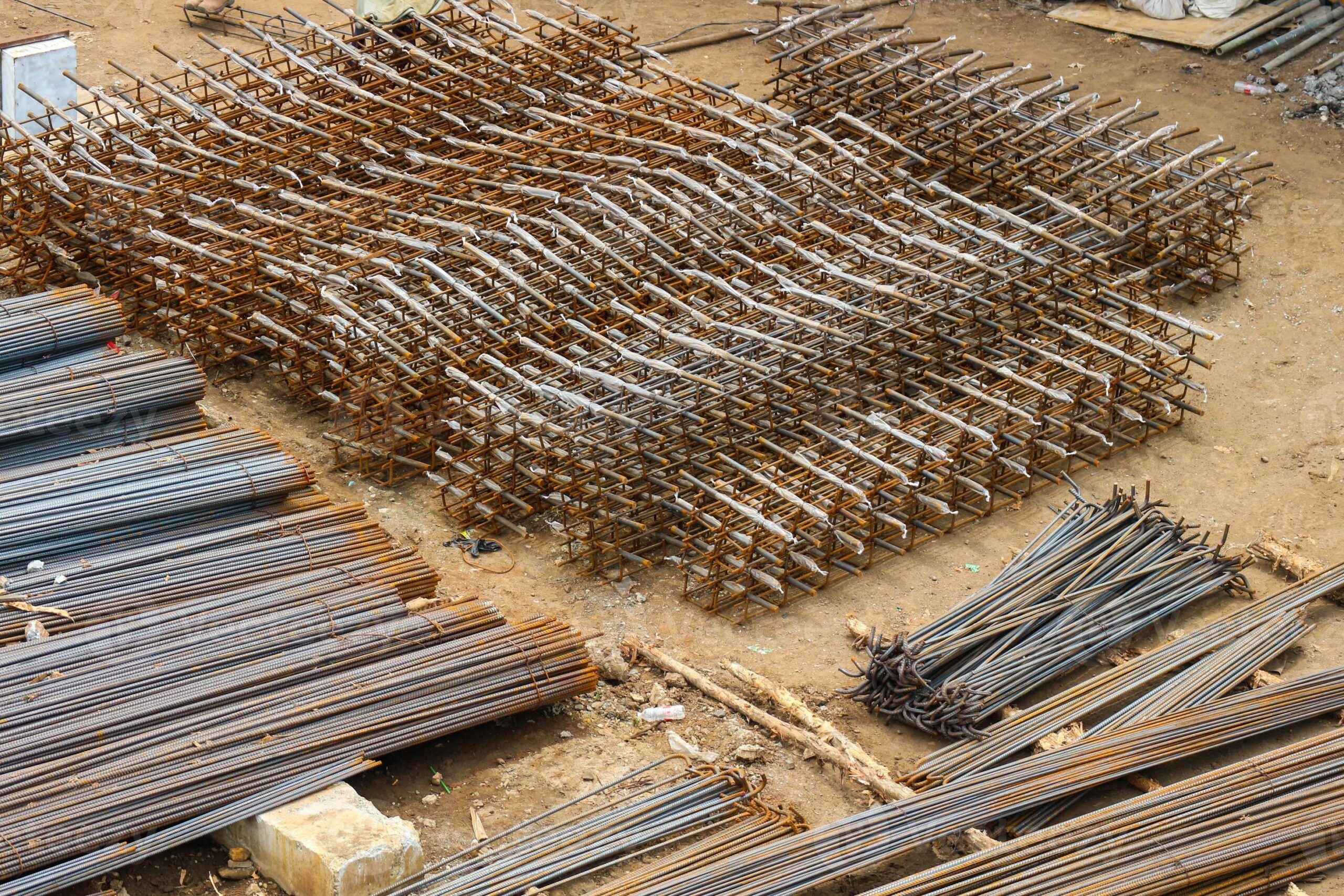
Rebar Couplers vs Lap Splices: Cost, Strength and When to Use
Rebar couplers join two bars end-to-end with a mechanical sleeve, while lap splices overlap two bars over a calculated length. Couplers save steel and relieve congestion; lap splices are simpler and cheaper for routine work. This guide compares cost, strength and the right application for each.
Rebar couplers vs lap splices is a core detailing decision in reinforced concrete. Both methods join reinforcing bars so that load transfers continuously through the structure — but they do it very differently. A mechanical coupler is a threaded sleeve that connects two bar ends directly; a lap splice simply overlaps two bars over a code-defined length and relies on the surrounding concrete to transfer force. Choosing the right method affects steel quantity, congestion, cost and buildability.
What is a lap splice?
A lap splice overlaps two bars side by side over a length calculated under Eurocode 2 based on bar diameter, concrete grade, bond conditions and the proportion of bars lapped at one section. Force passes from one bar to the other through bond with the concrete. Lap splices need no extra components — just additional bar length — which makes them the default, lowest-component-cost choice for routine reinforcement, especially in smaller diameters. See our rebar lap length guide for how lap lengths are determined.
What is a mechanical coupler?
A mechanical coupler (also called a rebar splice or mechanical splice) joins two bars end-to-end using a steel sleeve, typically parallel-thread or taper-thread, available for diameters from about 12 to 40 mm. The coupler transfers tension and compression directly between the bar ends, independent of the concrete. Because the bars meet end-to-end rather than overlapping, no extra lap steel is consumed and the local congestion of doubled-up bars is eliminated.
Couplers vs lap splices: side-by-side comparison
| Factor | Mechanical coupler | Lap splice |
|---|---|---|
| Force transfer | Directly bar-to-bar via sleeve | Through concrete bond |
| Extra steel | None — bars meet end-to-end | Added lap length per joint |
| Congestion | Low — single bar line | Higher — doubled bars at laps |
| Component cost | Coupler + thread preparation | No components, just bar |
| Best diameters | ~12–40 mm, esp. large bars | Smaller diameters, routine work |
| Reliance on concrete | Independent of concrete | Depends on concrete & cover |
| Typical use | Congested zones, large bars, staged casting | General reinforcement |
Cost: the real trade-off
The cost comparison is not simply “couplers cost more”. A coupler adds a component and thread-preparation cost per joint, but it removes the extra lap steel a splice consumes — and in large diameters that lap length, and its weight, is significant. For 25 mm and larger bars, or where many bars lap at once, the steel saved by couplers can offset much of their cost. For small diameters and light reinforcement, lap splices are usually the cheaper, simpler choice.
Strength and structural behaviour
Properly specified mechanical couplers are designed to develop the full strength of the bar and perform reliably in tension and compression, independent of concrete condition. Lap splices are equally valid when detailed correctly to code, but their performance depends on adequate concrete cover, bond and the limit on the proportion of bars lapped at a single section. In heavily congested members, achieving proper lap detailing can be difficult — which is exactly where couplers help.
When to choose each
Choose couplers in congested zones (columns, walls, transfer beams), for large diameters, where you want to reduce reinforcement weight, or where construction is staged and a continuous threaded connection simplifies sequencing. Choose lap splices for routine reinforcement in smaller diameters where congestion is not an issue and component cost is best avoided. Many projects use both — couplers where they earn their place, laps everywhere else. Tell us your bar sizes and we will quote the right couplers alongside your bar.
Frequently asked questions
Common questions about rebar couplers versus lap splices.
What is the difference between a coupler and a lap splice?
Do couplers save steel?
Are mechanical couplers stronger than lap splices?
When should I use couplers instead of laps?
What diameters do rebar couplers cover?
Source German-standard rebar with full export documentation
Tell us your specification and destination port — we’ll respond with a detailed quotation.