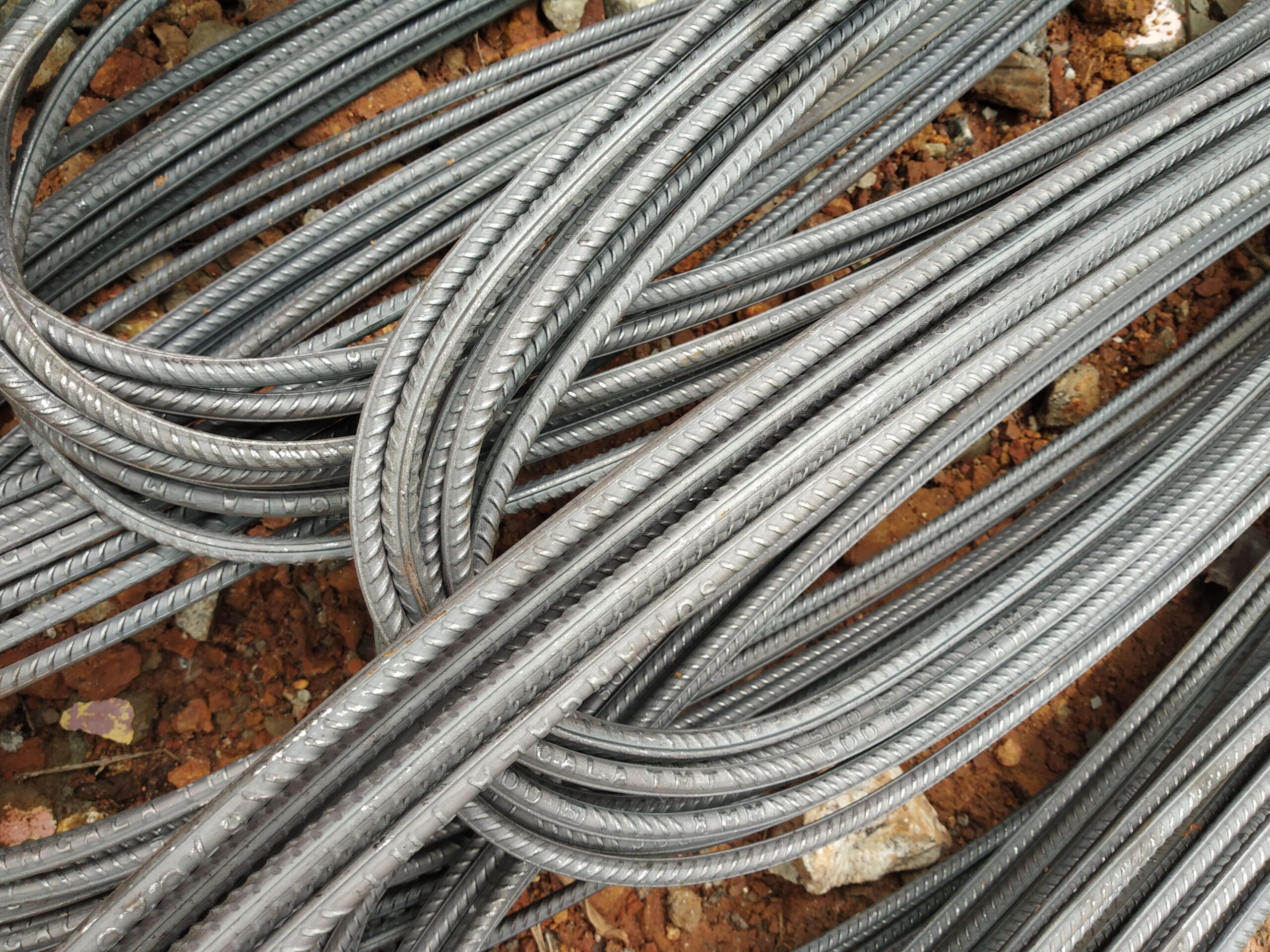
Rebar Market Denmark
An importer’s view of Denmark’s reinforcing-steel market — what drives demand, why the country runs on imported rebar, how pricing moves, and how to buy bulk B500B/Gr60 direct from a wholesale supplier and exporter at export prices.
The Denmark rebar market: import-led and project-driven
Denmark operates one of Europe’s most import-dependent reinforcing-steel markets. With no integrated primary steelmaking inside the country, virtually every tonne of ribbed rebar consumed on Danish sites is imported as finished bar or processed from imported semi-finished steel. That makes the Danish rebar market a buyer’s market shaped less by domestic mills and more by reliable, certified supply chains reaching across the German land border and into the country’s cargo ports.
Demand is anchored by a steady construction pipeline: residential and social housing, public infrastructure, hospital and education projects, and one of the continent’s busiest offshore and onshore wind sectors, which pours large reinforcement volumes into foundations, working platforms and substructures. Because the Danish supply chain is dominated by wholesalers and reinforcement-service companies rather than producers, contractors place a premium on dependable bulk supply, short-sea logistics and cut-and-bend processing close to site. Sustainability is a defining purchasing driver too — low-carbon and recycled-content rebar, in line with Denmark’s green-building agenda, increasingly shapes specification.
For exporters and importers, the upshot is a market where competitively priced, fully certified rebar delivered to Aarhus, Esbjerg or Fredericia — or trucked across the German border — can win share on price and documentation. This guide sits alongside our wider hub on steel suppliers in Denmark, and you can benchmark neighbouring markets through our guides to steel in Poland, steel in Iceland and steel in Czechia, or browse the full steel by country directory.
What moves rebar prices in Denmark
Because Denmark imports its reinforcing steel, domestic rebar prices track the European benchmark rather than setting it. Buyers should expect Danish delivered prices to follow the same drivers seen across the EU: scrap and iron-ore input costs, energy prices, mill capacity utilisation, EU import safeguard measures and the carbon-cost agenda. We do not publish fixed price figures here because rebar is volatile and quoted per shipment — the realistic approach is to track live regional indices and request a current export-price quote against your bar schedule.
Local price factors
- Logistics & short-sea freight: port handling and onward haulage add to landed cost versus mill-gate price.
- Currency: the Danish krone is pegged to the euro, so euro-denominated rebar pricing stays relatively stable for Danish buyers.
- Processing: cut-and-bend, mesh and coil services add value but also cost over plain stock bar.
- Green premium: low-carbon and recycled-content rebar can carry a premium aligned with Denmark’s sustainable-building demand.
Where to track live prices
For current European rebar pricing relevant to the Danish market, follow established sources such as SteelOrbis and Fastmarkets, with global context from worldsteel and official EU trade and price-volume data from Eurostat. Then benchmark a live, certified bulk offer against those indices via our TMT steel & rebar and rebar products pages.
Your bulk rebar supplier & exporter to Denmark
Steel Rebar Germany supplies Danish importers, contractors and distributors directly — bulk B500B/Gr60 rebar, welded mesh, coils and cut-and-bend at export prices, mill-certified to BS 4449 / ASTM A615, with full mill test certificates and no middlemen.
Bulk orders, direct
Container and break-bulk consignments to Denmark in B500B, B500A and ASTM A615 Grade 60, 8–40 mm, every shipment mill-certified for project acceptance.
Export prices
Direct mill-to-site pricing on bulk rebar and mesh — no distributor markup, no broker chain between the mill and your Danish site.
Cut & bend, shipped
Plain stock bar or project-ready cut-and-bend and mesh schedules, consolidated for short-sea freight to Aarhus, Esbjerg or Fredericia, or road and rail across the German border.
Verify the Danish rebar market before you buy
These are the primary Danish and EU authorities publishing reliable, free trade and statistics data. Use them to confirm import volumes, standards and market size — they are official sources only, not suppliers.
- Statistics Denmark (Danmarks Statistik)National statistics office; StatBank carries detailed import/export-by-commodity trade data for steel and rebar.
- Danish Customs Agency (Toldstyrelsen)Customs duties, import procedures and tariff classification for goods entering Denmark.
- Danish Standards (Dansk Standard)National standards body; adopts EN / Eurocode steel and rebar standards for Danish use.
- Denmark Country Commercial GuideU.S. ITA market overview, standards-for-trade and sector data for doing business in Denmark.
Buying into Denmark’s rebar market — common questions
What is the minimum order quantity for bulk rebar to Denmark?
What is the lead time to Denmark’s main ports?
How is bulk rebar pricing set for the Danish market?
Buy bulk rebar for Denmark at export prices
Send your rebar schedule, grade and delivery port — Aarhus, Esbjerg or Fredericia — and get a certified, fully documented bulk offer from a direct supplier and exporter.