Rebar Market Poland
A B2B view of Poland’s reinforcing-steel market — construction demand, import dependence and price drivers — and how to secure bulk B500B rebar at competitive export prices direct from the mill, with no middlemen.
Poland’s rebar market: an overview for buyers
Poland is one of Central Europe’s most active construction economies, and its appetite for reinforcing steel reflects that. Residential development around Warsaw, commercial and logistics build-out near the Baltic ports of Gdansk and Gdynia, and EU-funded road, rail and energy infrastructure all keep rebar consumption high. For contractors, distributors and precast yards, the practical question is rarely whether rebar is available — it is whether it can be sourced in bulk, to specification, and at a landed cost that protects the project margin.
Poland has domestic mill capacity, but demand routinely outpaces the supply that local rolling can absorb at competitive terms, especially during peak building seasons. That structural gap is why import flows matter so much to the Polish rebar and steel market. International suppliers help smooth seasonal price spikes, fill grade and diameter gaps, and give large buyers an alternative when domestic order books fill up. Understanding that dynamic is the first step to buying well.
Prices & market insight
Rebar pricing in Poland is shaped by the same forces that move the wider European market: scrap and billet input costs, energy prices feeding electric-arc-furnace production, EU carbon and trade-defence measures, freight rates into the Baltic, and the euro/złoty exchange rate. We never publish invented spot numbers — quotes move daily — but buyers planning bulk purchases should track live benchmarks. The World Steel Association provides production and demand context, while market intelligence from Fastmarkets and SteelOrbis tracks European long-product price direction.
For purchasing teams, the lesson is that timing and volume drive the best terms. Consolidating requirements into larger bulk orders, fixing specifications early, and locking export prices ahead of seasonal peaks consistently outperforms reactive spot buying. A reliable supplier relationship turns volatile pricing into predictable, plannable cost.
Bulk supply & import — sourcing rebar for Poland
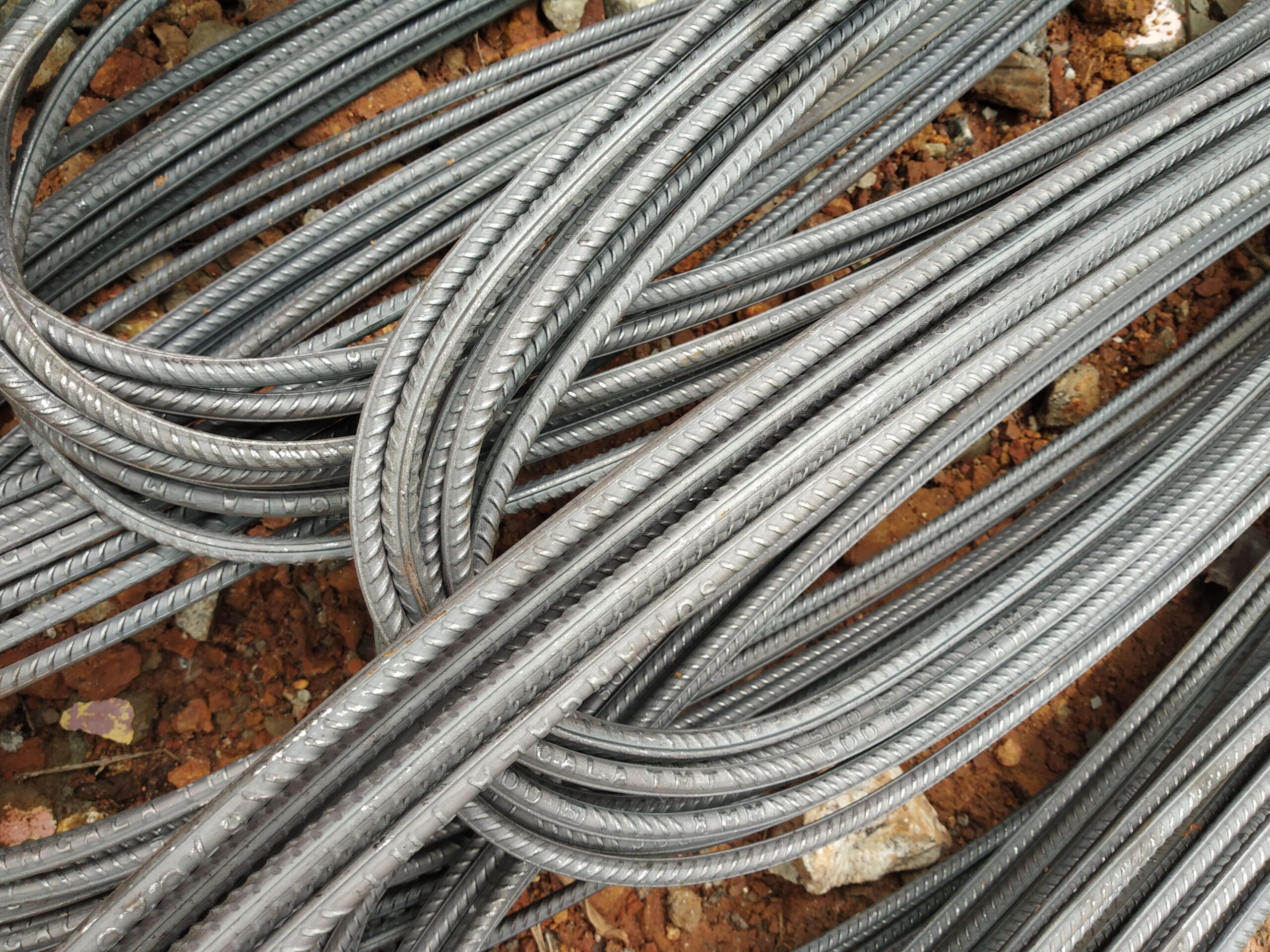
Steel Rebar Germany is a wholesale supplier and exporter serving the Polish market directly. We sell B500B and equivalent reinforcing grades — alongside TMT steel rebar — as straight bars, coils, welded mesh and ready cut-and-bend schedules, all backed by an EN 10204 3.1 Mill Test Certificate. Because we ship mill-direct, Polish buyers deal with the source rather than a chain of distributors, which keeps export prices lean on bulk orders.
Delivery into Poland is straightforward: full-truck road freight from Germany for inland sites, or sea consignments into the Baltic ports of Gdansk and Gdynia for high-tonnage programmes. Whether you need a single grade in volume or a mixed schedule across diameters, our team configures the load to your drawings. Explore the full rebar products range, or see how we serve neighbouring markets such as Germany, the rebar market in France and the wider United Arab Emirates via our steel by country hub.
Official data sources for Poland
For verifying trade flows, customs procedures and statistics, work from primary Polish and EU sources rather than resellers:
- Statistics Poland (GUS) — official production, construction and trade statistics.
- PUESC — the Polish customs and tax electronic services platform for import declarations.
- National Revenue Administration (KAS) — customs, duties and clearance authority.
- Ministry of Development and Technology — construction, industry and trade policy.
Frequently asked questions
What is your minimum order quantity (MOQ) for rebar to Poland?+
What is the lead time to the main Polish port?+
How does bulk pricing and export pricing work?+
Bulk rebar for Poland — direct from the mill
Get a firm export price on B500B rebar, mesh, coils and cut-and-bend, delivered to your site or Baltic port.