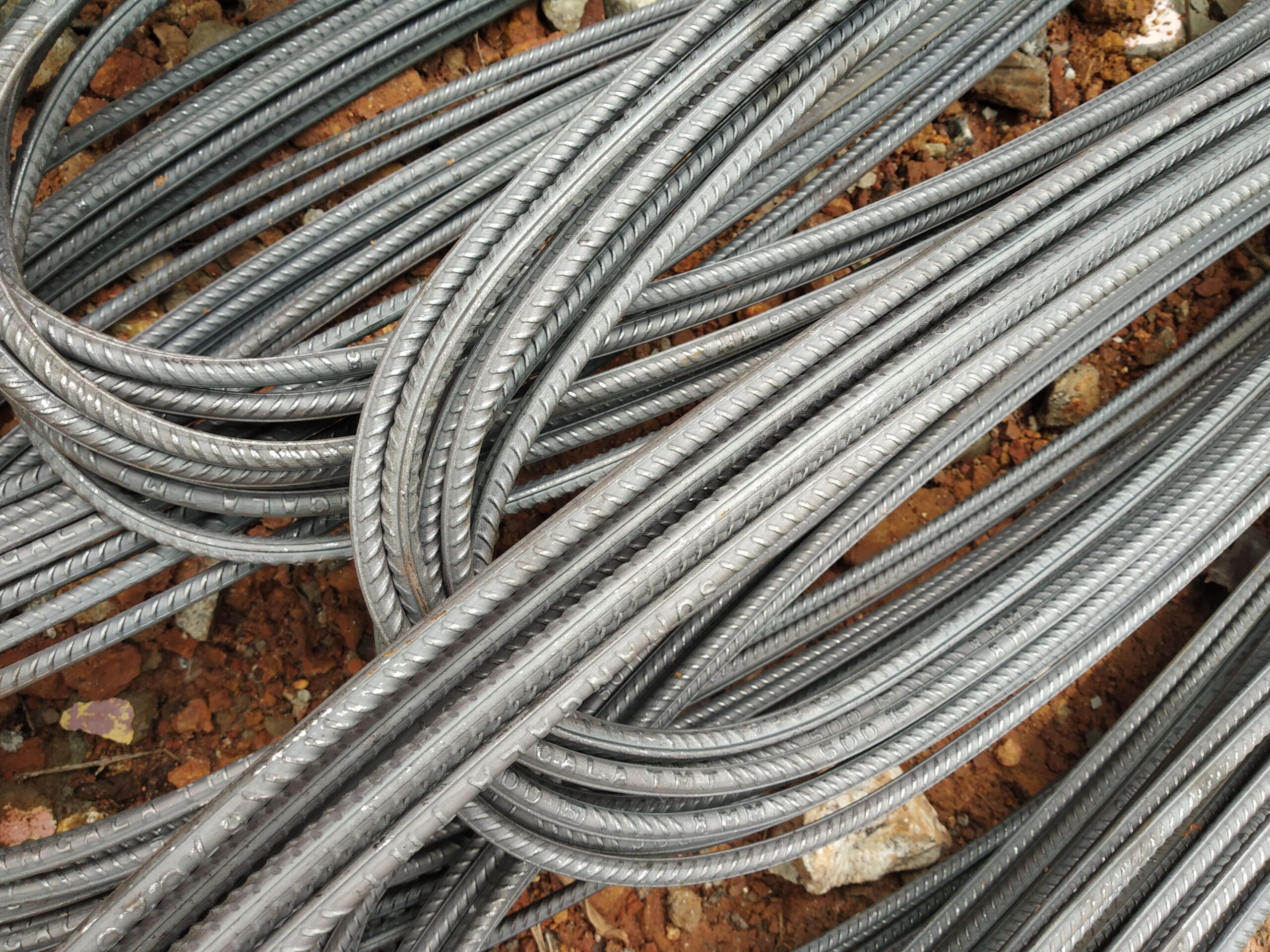
Rebar Quantity Estimation for a Project
A clear, practical guide to estimating the weight and length of reinforcing steel you need — including a worked example, diameter table, and general rules of thumb used in B2B procurement.
Why Rebar Quantity Estimation Matters for Procurement
Accurate rebar quantity estimation is the foundation of every successful construction project budget. Under-ordering causes costly delays; over-ordering ties up capital and inflates freight costs — especially on international shipments where container optimisation is essential. Whether you are procuring B500B bars for a high-rise or B500A coil for a precast plant, the quantity calculation follows the same first principles: convert structural drawings into a bar schedule, apply the weight formula, and add a waste allowance.
This guide provides general technical guidance to help procurement teams, project engineers, and importers understand the estimation process. It is not a substitute for a licensed structural engineer, who must verify all quantities against approved structural drawings before any order is placed.
The Core Weight Formula
The weight of a single reinforcing bar (or any length of rebar) is calculated using the standard formula:
Weight (kg/m) = d² (mm) × 0.00617
Where d is the nominal diameter in millimetres. This formula is derived from the density of steel (7,850 kg/m³) and the circular cross-section area (π/4 × d²). It is used universally under DIN 488 and EN 10080 and forms the basis of every mill delivery note and Mill Test Certificate.
Diameter Reference Table
The table below shows the standard weight per metre and cross-sectional area for common German/EU-grade rebar diameters. Use these values directly in your quantity calculations.
| Diameter (mm) | Weight (kg/m) | Cross-Section (mm²) |
|---|---|---|
| 8 | 0.395 | 50.3 |
| 10 | 0.617 | 78.5 |
| 12 | 0.888 | 113 |
| 14 | 1.21 | 154 |
| 16 | 1.58 | 201 |
| 20 | 2.47 | 314 |
| 25 | 3.85 | 491 |
| 32 | 6.31 | 804 |
| 40 | 9.86 | 1,257 |
Worked Example: Estimating Rebar for a Concrete Slab
Consider a ground-floor slab 20 m × 15 m with a reinforcement layout of T16 bars at 150 mm centres in both directions (top and bottom layers). This is a typical scenario in commercial construction using B500B to EN 10080.
- Bars in X-direction: 15,000 mm ÷ 150 mm spacing = 100 bar spacings → 101 bars per layer. Each bar runs 20,000 mm (20 m). Total length per layer: 101 × 20 m = 2,020 m.
- Bars in Y-direction: 20,000 mm ÷ 150 mm = 134 bars (approx). Each 15 m. Total per layer: 134 × 15 m = 2,010 m.
- Total length (both directions, 2 layers): (2,020 + 2,010) × 2 = 16,120 m
- Weight of T16 bar: 1.58 kg/m
- Gross weight: 16,120 m × 1.58 kg/m = 25,470 kg ≈ 25.5 tonnes
- Add 5–8% waste/laps/cover bars: 25.5 t × 1.07 ≈ 27.3 tonnes
This is an illustrative calculation only. A structural engineer will adjust for lap lengths (typically 40–60× bar diameter under Eurocode 2), cover requirements, and local detailing rules.
General Rules of Thumb for B2B Procurement
- Waste / laps allowance: Add 5–10% to net theoretical weight for standard structural work; up to 15% for complex geometry or heavily detailed elements.
- Bar lengths: Standard mill lengths are 6–18 m; 12 m is the most common stock length for export. Specify cut-and-bend if your project needs non-standard shapes.
- Container loading: A standard 20 ft container holds approximately 20–22 tonnes of 12 m rebar bundled for seaworthy transport. A 40 ft container can carry up to 26–28 tonnes depending on bundle configuration.
- Coupler vs. lap splice: For large-diameter bars (≥25 mm), mechanical couplers can significantly reduce overall rebar tonnage by eliminating long laps — worth including in your estimation if applicable.
- Mesh vs. loose bar: For slabs and walls with regular layouts, prefabricated reinforcing mesh (DIN 488-4) often reduces on-site labour and material waste compared to loose bar.
Documentation Required for Import Orders
When placing an international order, ensure your quantity estimate is backed by a formal bar schedule. Suppliers like Steel Rebar Germany require a clear specification covering: diameter(s), grade (e.g. B500B), total tonnage per diameter, required lengths, and delivery destination. Each shipment is accompanied by a Mill Test Certificate (EN 10204 3.1), Certificate of Origin, CE Declaration of Performance, packing list, and seaworthy bundle manifest. Accurate tonnage estimates from the outset ensure faster quotation and smoother customs clearance.
Related Resources
Frequently Asked Questions
How do I convert linear metres of rebar to tonnes?
What waste factor should I apply to rebar estimates?
Can Steel Rebar Germany supply cut-and-bend bars to reduce on-site waste?
What is the minimum order quantity for export?
Is this estimation guide suitable for use in structural design?
Source German-standard rebar with full export documentation
Tell us your specification and destination port — we’ll respond with a detailed quotation.