Home › Resources › PC Strand vs Rebar: Prestressed vs Conventional
Rebar Knowledge · Wholesale & Export
PC Strand vs Rebar
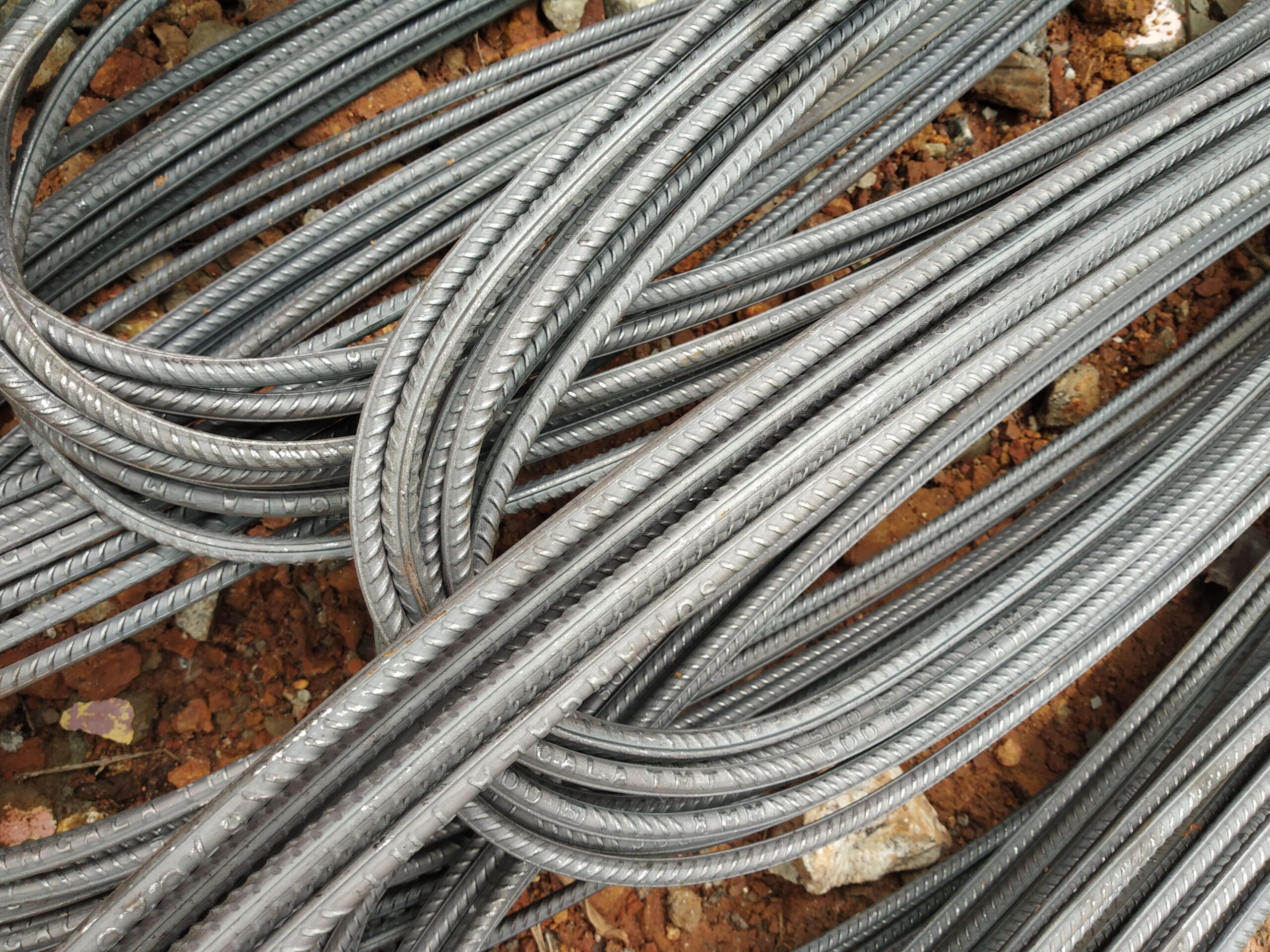
Rebar and PC strand both reinforce concrete, but they work in fundamentally different ways.
The core difference
Rebar is passive — it only carries load once the concrete cracks and strains. PC strand is active — it is tensioned to pre-compress the concrete, so the section resists load before any cracking.
| PC strand | Rebar | |
|---|---|---|
| Action | Active (pre-tensioned) | Passive |
| Strength | 1770–1860 MPa | 500 MPa yield |
| Use | Long spans, thin slabs, bridges | General reinforcement |
| Cracking | Controlled/eliminated | Occurs then controlled |
Where each is used
- PC strand: post-tensioned floor slabs, bridge girders, precast beams, ground anchors.
- Rebar: columns, footings, walls, and as secondary reinforcement in PT members.
Most real structures use both. We supply PC strand and full rebar range.
Frequently asked questions
Can PC strand replace rebar?
Not entirely — prestressed members still use rebar for shear, bursting and secondary reinforcement. They are complementary.
Why is PC strand so much stronger?
It is cold-drawn high-carbon steel at 1770–1860 MPa, tensioned to pre-compress concrete — far beyond the 500 MPa yield of rebar.
What is post-tensioning?
Strand is tensioned after the concrete cures, using anchorages and jacks, to pre-compress and stiffen the member for long thin spans.
Need mill-certified reinforcement in bulk?
Steel Pro Rebar Germany Gmbh exports rebar, mesh, coils, cut & bend and specialty reinforcement worldwide with EN 10204 3.1 MTCs.
Request a bulk quote →WhatsApp: +49 163 1141934