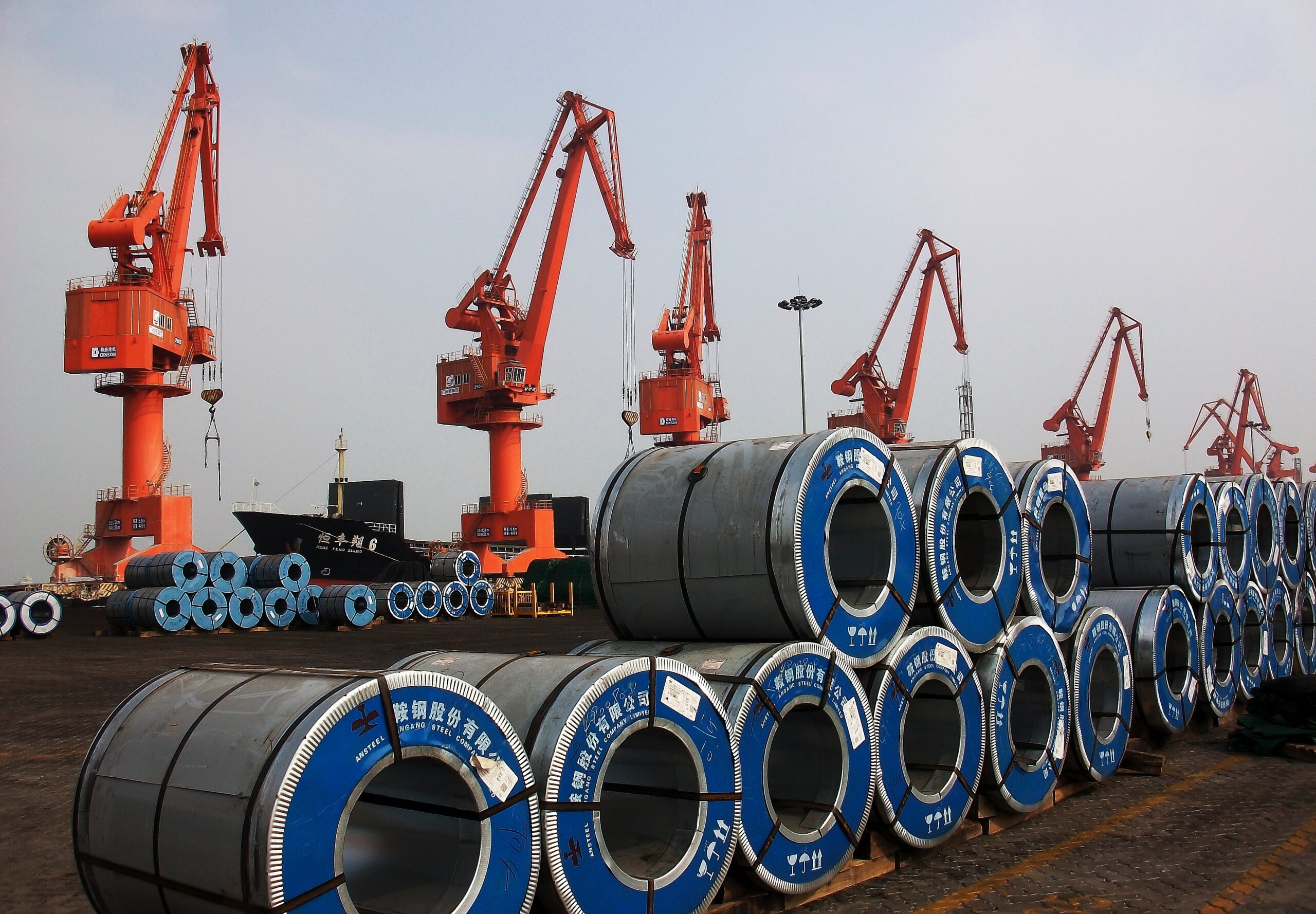
Steel Construction Trends Switzerland
From low-carbon EAF rebar to modular construction and Alpine tunnelling, the forces reshaping Swiss building are also reshaping how contractors and distributors buy reinforcing steel in bulk — and where they source it.
How Swiss steel construction is changing
Switzerland is one of Europe’s most construction-intensive economies, and its steel demand is shaped less by raw volume than by the kind of building it does: tunnels and viaducts through demanding Alpine terrain, dense urban renewal, high-specification residential and commercial work, and a precision manufacturing base. Because domestic crude-steel capacity is limited, the market remains structurally import-dependent — most sections, flat products, special grades and a large share of reinforcing steel arrive from neighbouring EU producers, while local electric-arc-furnace (EAF) mills recycle scrap into rebar and wire rod.
For contractors and distributors, the most visible trend is the steady decarbonisation of structural materials. Switzerland already leans heavily on scrap-based EAF steel, giving it one of Europe’s lower-carbon reinforcement footprints, and procurement teams increasingly weigh embodied-carbon data alongside price and lead time. Combined with the franc’s strength and a culture of certified quality, this makes documented, traceable steel the baseline expectation rather than a premium. Buyers comparing neighbouring markets often benchmark Switzerland against our country guides for Germany, France, Austria and Italy.
The trends moving rebar demand
Several converging shifts are defining how steel is specified and consumed on Swiss sites. None of them reduce the need for reinforcement — most intensify the demand for precise, certified bulk supply:
- Low-carbon and EAF-first sourcing — embodied-carbon reporting and green-procurement criteria push buyers toward scrap-based reinforcing steel with verifiable mill data.
- Modular and prefabricated construction — off-site fabrication favours pre-engineered cut-and-bend reinforcement and welded mesh delivered to schedule, cutting on-site labour.
- Infrastructure renewal and tunnelling — bridge, rail and Alpine tunnel programmes sustain heavy long-product demand over multi-year horizons.
- Densification and high-rise — urban infill and taller residential builds raise the share of higher-ductility grades such as B500B / B500C.
- Digital procurement — BIM-driven take-offs and tighter schedules reward suppliers who can quote, certify and deliver bulk tonnage predictably.
The common thread is reliability: as programmes get leaner and more documented, contractors value a wholesale steel supplier to Switzerland who can match grade, certification and delivery window to the build plan.
What these trends mean for prices
Swiss reinforcement prices track the wider European market, then adjust for local freight, the franc and demand cycles. The trends above act mainly on demand and specification rather than on headline cost — but they do shape where buyers should focus. Rather than chase weekly numbers, track the underlying drivers:
| Price driver | Effect on Swiss steel |
|---|---|
| Scrap & energy costs | Set the floor for EAF rebar and long products domestically and EU-wide. |
| EU benchmark prices | European rebar and section indices anchor imported-steel quotes. |
| CHF / EUR exchange rate | A strong franc lowers the franc cost of EU-origin steel; swings shift margins. |
| Freight & Rhine levels | Rail/road tariffs and Rhine low-water surcharges affect landed cost. |
| Low-carbon demand | Green-procurement preference can favour certified EAF reinforcement. |
For independent price discovery and trend data, consult SteelOrbis, Fastmarkets and worldsteel. For a documented EUR or CHF delivered quote on certified rebar, request export prices for your exact grades and tonnage.
Your wholesale rebar supplier & exporter to Switzerland
Steel Rebar Germany supplies Swiss contractors, importers and distributors directly — bulk B500B / Grade 60 rebar, welded mesh, coils and cut-and-bend at export prices, mill-certified to BS 4449 / ASTM A615, with full EN 10204 3.1 documentation and no middlemen.
Bulk orders
Container and break-bulk consignments routed by rail, road or Rhine barge to Basel — every shipment mill-certified to TMT rebar standards.
Export prices
Direct mill-to-site pricing with no distributor markup on bulk rebar, mesh and coils — full specification breakdown on every quote.
Trend-ready supply
Low-carbon EAF grades, cut-and-bend schedules and high-ductility B500C — matched to modular and infrastructure programmes. See products →
Official Swiss data sources to verify the market
Steel Rebar Germany is a direct wholesale rebar supplier & exporter — bulk B500B/Gr60 to Switzerland at export prices, no middlemen. The organisations below are official government, customs & statistics sources only.
- Swiss Foreign Trade Statistics (Swiss-Impex)Official import/export data by commodity, including iron and steel.
- Federal Statistical Office (FSO / BFS) — Foreign TradeNational statistics office; foreign-trade and industry data.
- Federal Office for Customs & Border Security (FOCBS / BAZG)Customs tariffs (Tares), import procedures and clearance for steel goods.
- SIA — Swiss Society of Engineers & ArchitectsPublisher of SIA 262 and related structural-concrete standards.
- EurostatEU-wide trade context behind Swiss inbound steel flows.
Validate volumes, tariffs and origin shares against these primary sources rather than secondary estimates. For waterborne cargo, the Swiss Rhine Ports at Basel remain Switzerland’s gateway for bulk steel. See the full steel-by-country directory for comparable data hubs across our export markets.
Bulk supply to Switzerland — FAQ
What is the minimum order quantity for bulk rebar?
What is the lead time to Basel and Swiss sites?
How is bulk pricing quoted?
Request a bulk quote for Switzerland
Certified B500B / Grade 60 rebar, mesh, coils and cut-and-bend — at export prices, delivered to Basel and across Switzerland with full mill documentation.