Steel Export Market Norway
An exporter’s view of how reinforcing and structural steel reaches Norway — and how a German wholesale supplier ships certified bulk rebar to Norwegian ports without middlemen.
Norway’s steel market relies on imports
Norway is a steel-importing nation. Domestic production is concentrated in long products — rebar and wire rod — while the bulk of structural sections, plate and flat products are sourced from European exporting countries. For a wholesaler and exporter shipping into the country, that import dependence defines the entire steel export market in Norway: most tonnage moving toward Norwegian sites originated at a mill somewhere in the EU and crossed the North Sea or Baltic by ship.
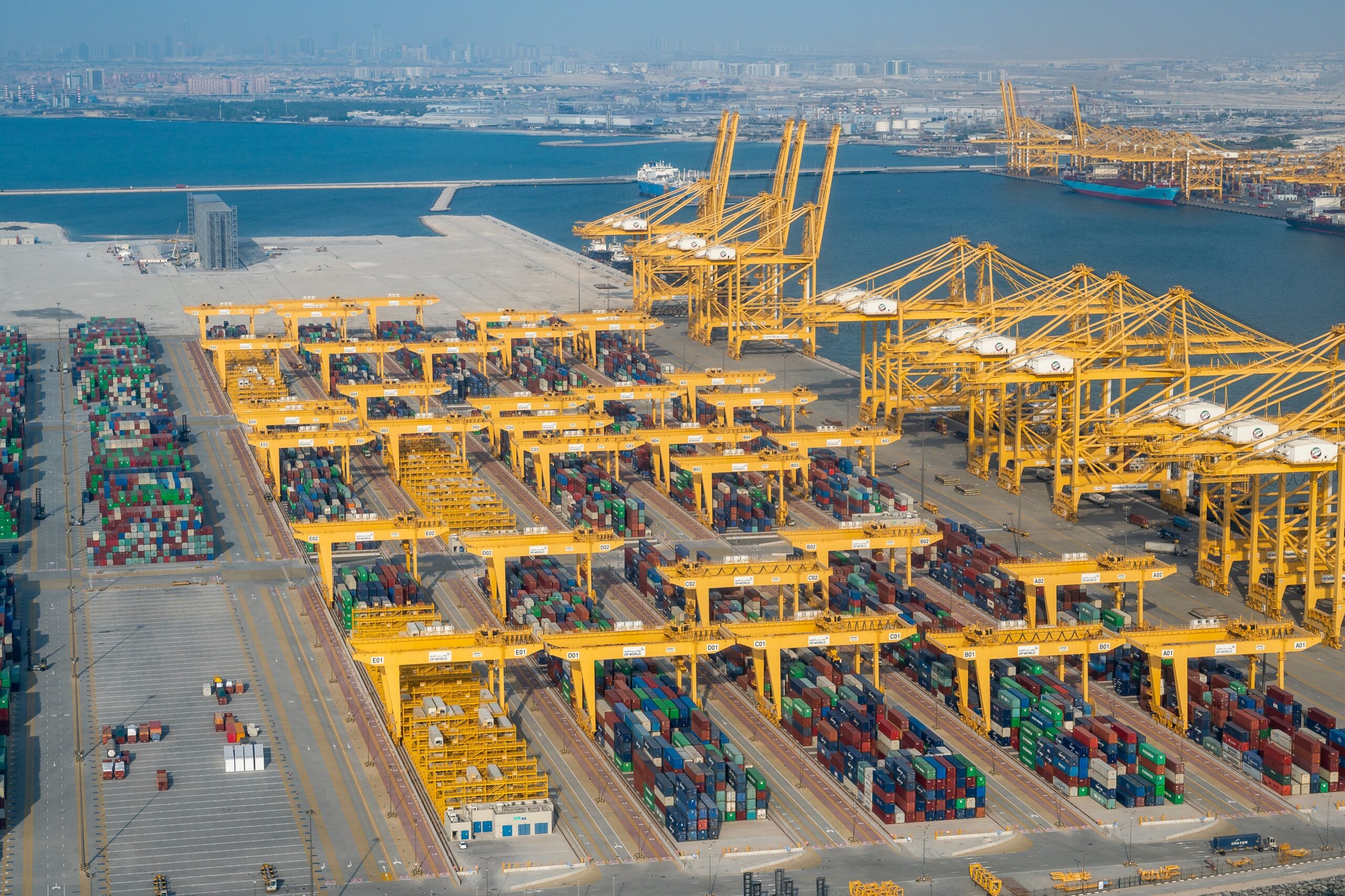
Demand is driven by two engines. The first is construction and infrastructure — housing, commercial buildings, road and rail upgrades and public works across the populous east around Oslo and the coastal cities. The second is the offshore, energy and marine sector, which gives Norway a distinct appetite for project cargo, heavy sections and corrosion-resistant grades. Both engines pull steel through a network of well-equipped ports rather than over land borders, which makes reliable sea logistics central to any supplier serving the market.
Because Norway sits inside the EEA, its trade in steel flows on largely frictionless terms with the EU. That integration — combined with short shipping routes from Continental and Nordic mills — is exactly why a Germany-based exporter can serve Norwegian buyers competitively on bulk orders. For the full country profile, see our Steel in Norway hub.
What moves export prices into Norway
Norwegian buyers price imported steel against the wider European market rather than a purely domestic benchmark. For reinforcing bar, the dominant cost inputs are ferrous scrap (the feedstock for EAF rebar), energy and prevailing European long-product spreads. For structural sections and plate, mill capacity utilisation across Europe, ocean freight and EEA logistics costs are the key swing factors, while flat products track the broader EU hot- and cold-rolled market.
Country-specific layers shape the landed export price. The strength of the Norwegian krone directly affects the cost of euro-priced steel, sea-freight and port-handling charges add to every shipment, and carbon and sustainability documentation increasingly matters given the market’s low-carbon expectations. We do not publish fixed figures here because rebar and structural prices move continually with these drivers. To track live and historical benchmarks, follow recognised market sources such as SteelOrbis and worldsteel for global production and demand context.
For a firm, all-in export quotation, the only reliable number is one tied to your specification, tonnage and delivery port. Our export desk prices against the same European drivers and quotes landed cost directly.
Steel Rebar Germany — your wholesale supplier to Norway
Steel Rebar Germany is a wholesale supplier and exporter of European-standard reinforcing and structural steel. We ship bulk orders directly to Norwegian ports, positioning ourselves as the source mill link rather than a layered reseller — so distributors, contractors and project buyers in Norway buy at genuine export prices with no middlemen margin stacked in.
Our core export range for the Norwegian market includes:
- Reinforcing bar (B500B / Grade 60) — straight lengths and bundles for construction and infrastructure.
- Reinforcing mesh and welded fabric — standard and custom sheet sizes for slabs and walls.
- Coils and wire rod for downstream processing.
- Cut-and-bend rebar fabricated to your bar bending schedule, reducing on-site labour and scrap.
Every shipment travels with full mill test certificates (MTC / 3.1 documentation) confirming grade, chemistry and mechanical properties against the relevant EN standards — the paperwork Norwegian engineers and customs expect. Explore the full range on our rebar products page and the dedicated TMT steel rebar overview.
We export across the region. If you are comparing sourcing options, see our neighbouring market guides for Germany, France and Saudi Arabia, or browse every destination from the steel by country directory.
Verify Norwegian trade rules at source
Confirm tariffs, statistics and standards directly with the primary authorities relevant to importing steel into Norway.
- Ministry of Trade, Industry and Fisheries National authority for industrial, trade and business policy (Nærings- og fiskeridepartementet). regjeringen.no/en/dep/nfd
- Norwegian Customs (Tolletaten) Customs tariff classification, import procedures and duties for goods entering Norway. toll.no/en
- Statistics Norway (SSB) — External Trade in Goods Official import/export statistics by commodity (HS code) and partner country. ssb.no/en
- Standards Norway (Standard Norge) National standards body publishing the NS-EN standards referenced for construction steel. standard.no/en
- Port of Oslo (Oslo Havn) Norway’s largest public cargo port and a primary gateway for imported steel. oslohavn.no/en
- EU Access2Markets Tariff, rules-of-origin and procedure look-up relevant to EEA/EU–Norway trade. trade.ec.europa.eu
Bulk supply to Norway — common questions
What is your minimum order quantity (MOQ) for export to Norway?+
What are the lead times to the main Norwegian port?+
How is bulk export pricing structured?+
Import certified steel to Norway at export prices
Send us your specification and tonnage for a firm, all-in quotation delivered to your Norwegian port.