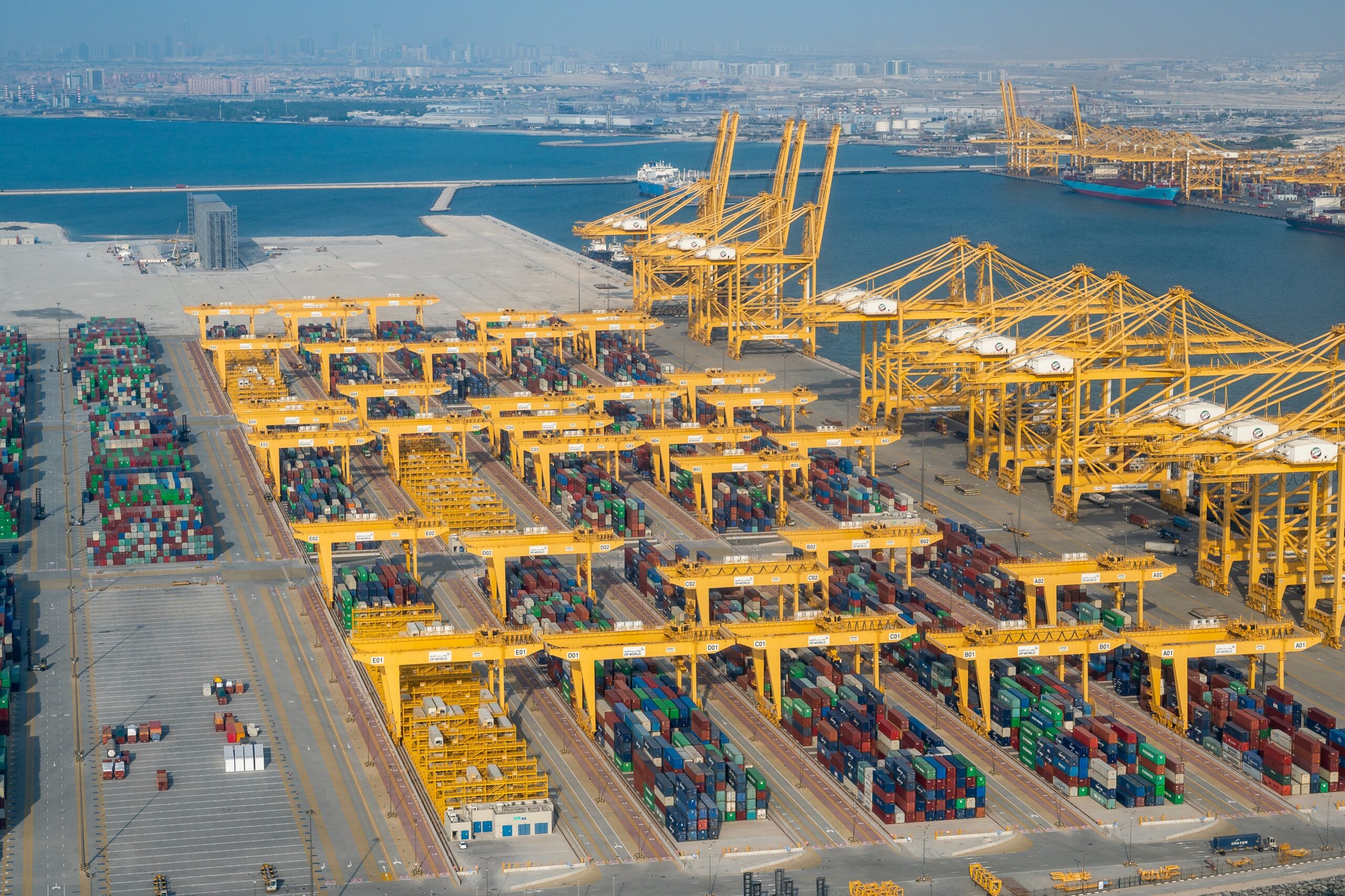
Steel Import Statistics Brazil
Where Brazil’s steel import statistics come from, what they reveal about rebar and structural demand, and how bulk buyers turn trade data into procurement decisions — read from the desk of a direct wholesale steel supplier and exporter.
Reading Brazil’s steel import statistics
Steel import statistics for Brazil describe one of the largest and most self-sufficient steel economies in the Americas. Brazil is a major producer and exporter of crude and semi-finished steel, yet it still imports specific finished products, specialty grades and certified material where domestic supply is tight or where a project demands a particular specification. For a wholesale supplier and exporter, the import data is the map that shows exactly where those gaps sit.
Reliable numbers matter because construction procurement runs on them. Rather than trusting headline claims, serious buyers of steel in Brazil read the primary trade series — volumes, values and origins by HS code — to understand landed cost trends and to time bulk orders. Import statistics also reveal which product families (rebar, wire rod, plate, sections) move across the border and from which origin mills.
How Brazil’s steel trade data is compiled
Brazilian steel import statistics are drawn from customs declarations and published through official channels. Understanding the pipeline helps you read the numbers correctly:
- Customs declarations. Every import clears through Siscomex, the single-window foreign-trade system, and is assessed by Receita Federal.
- HS classification. Iron and steel fall mainly under HS chapters 72 and 73 — reinforcing bar, wire rod, plate and sections each carry distinct codes.
- Statistical publication. Aggregated flows are released through ComexStat and MDIC, with macro context from IBGE.
- Cross-checks. Global output and trade context comes from worldsteel.
These flows mirror patterns we track for other large markets — see our notes on steel in Mexico, steel in the United States and steel in India for regional comparison.
What the statistics say about rebar prices
Import statistics do not fix a “Brazil rebar price,” but read alongside market indices they explain price direction. Rising import volumes of a given grade often signal domestic tightness or a landed-cost advantage from a particular origin; falling volumes can mean local mills are covering demand. We publish direction, not invented numbers:
- Global scrap, billet and iron-ore set the base for rebar worldwide, including delivered-Brazil cost.
- Origin and freight — European, Turkish and Asian mills carry different base prices plus sea freight to Santos.
- Specification and fabrication — certified grades, coil vs. straight stock, mesh and cut-and-bend all change delivered cost.
- Currency and tariffs — the real’s exchange rate and Brazilian import duties affect landed price.
Track regional benchmarks through SteelOrbis and Fastmarkets, then request our bulk export prices for a delivered-Brazil figure on your exact schedule.
Wholesale rebar supply for Brazilian projects
Steel Rebar Germany is a direct wholesale rebar supplier and exporter serving Brazilian projects — not a local reseller. We ship German and EU-mill reinforcing steel and certified structural material straight to Brazil at export prices, matched to the specifications your engineers and consultants demand:
Certified bulk grades
B500B (EN 10080), ASTM A615 Grade 60 and BS 4449 reinforcing bar in bulk — weldable, ribbed and matched to project specifications.
Full product range
Straight bar, coils, welded mesh and scheduled cut-and-bend rebar — consolidated or full-container export loads to the Port of Santos.
Export prices, no middlemen
Direct mill-to-site pricing with EN 10204 3.1 mill test certificates on every shipment for clean customs clearance through Receita Federal.
Whether you are covering a specification gap or running a multi-plot programme, we quote bulk B500B/Gr60 against your bar schedule. Compare a delivered Brazil price across origins with our steel-by-country directory and our TMT steel rebar range, then contact our export desk.
Official Brazil data sources
Verify market, tariff and trade figures against primary government sources before contracting. The authorities below publish licensing, customs and statistical data relevant to importing steel into Brazil:
- Ministry of Development, Industry, Trade & Services (MDIC)Industrial and foreign-trade policy for Brazil.
- Receita Federal — Federal RevenueCustoms authority: import duties, taxes and clearance.
- Siscomex — Foreign Trade PortalSingle-window import/export licensing and procedures.
- ComexStat — Foreign Trade StatisticsOfficial Brazilian import/export data by HS code.
- IBGE — Brazilian Institute of Geography & StatisticsNational economic and construction indicators.
- ANTAQ — National Waterway Transport AgencyRegulator for Brazilian ports incl. Port of Santos.
Frequently asked questions
What is the minimum order quantity for bulk rebar export to Brazil?
What is the lead time to the Port of Santos?
How do you set bulk export prices for Brazilian projects?
Plan your Brazil steel imports on real data →
Wholesale B500B / Grade 60 rebar, mesh and cut-and-bend at export prices, delivered to the Port of Santos with full mill certification.