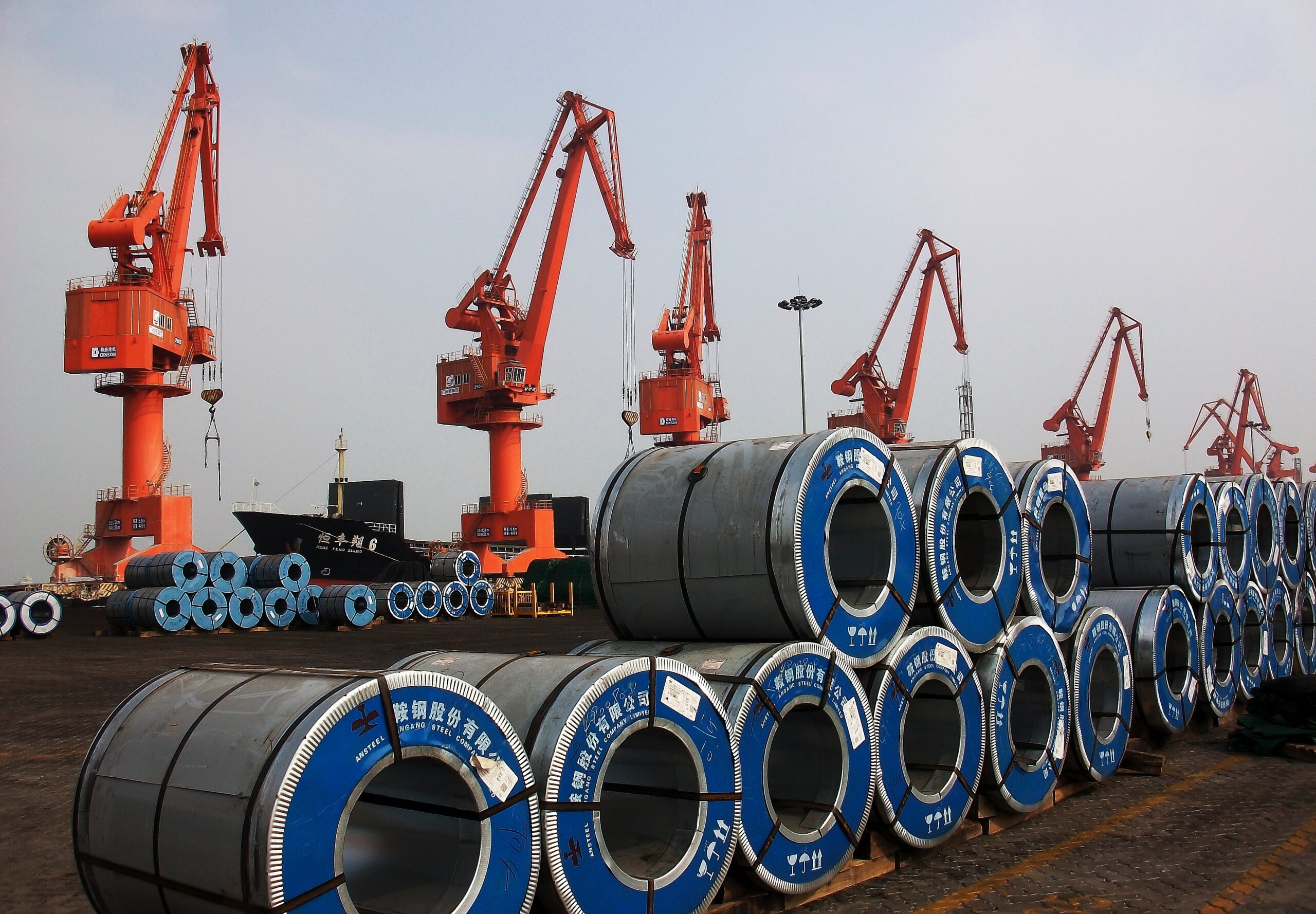
Steel Import Statistics Canada
A B2B briefing on how to read Canada’s steel import statistics — where to find official trade data, what it reveals about sourcing, and how bulk buyers secure certified rebar from Germany.
Reading Canada’s steel import statistics
Canada is a significant steel importer as well as a producer. Import statistics — published by Statistics Canada and administered at the border by the Canada Border Services Agency (CBSA) under the Special Import Measures Act (SIMA) — show a market that draws on the United States, the EU and Asia for grades, diameters and product forms domestic mills do not always roll. Reinforcing bar, structural sections, plate, coil and pipe each move through their own HS codes, and the numbers shift with construction cycles, trade measures and exchange rates.
For a bulk buyer, import statistics are a sourcing tool: unit values indicate benchmark landed costs, volumes reveal which origins are competitive, and trade-remedy notices flag where anti-dumping or countervailing duties apply. Cross-referencing official Canadian data against live market indices is the disciplined way to build a defensible procurement position. See our Canada steel guide for the wider trade picture.
The practical conclusion: use the official sources below to validate volumes and duties, then confirm a firm landed price with a certified exporter rather than relying on headline averages.
What the numbers say about Canadian steel pricing
Rebar, structural-steel and plate prices in Canada do not move in isolation — they track North American benchmarks. The forces most likely to steer the market are scrap and billet input costs at domestic EAF mills, United States hot-rolled and rebar pricing, energy costs, the Canadian dollar exchange rate, ocean and rail freight, and trade measures administered under SIMA. When construction seasons peak or several large public projects tender at once, availability tightens and premiums firm up.
Because spot numbers date quickly and any invented figure would mislead a buyer, we do not publish price points here. The disciplined approach is to track live North American indices and confirm a firm landed price per order. Reliable references for building your own view include:
- SteelOrbis — North American rebar and structural price coverage.
- Fastmarkets — steel and scrap assessments and analysis.
- worldsteel — global production and demand statistics for context.
Cross-check import unit values against the official Canadian sources listed below, then benchmark against a live export quote. See our TMT & reinforcing rebar overview for the grade specifications behind any number.
Your wholesale rebar supplier & exporter to Canada
Behind the import statistics, Steel Rebar Germany supplies Canadian contractors, distributors and fabricators as a direct wholesale supplier & exporter — bulk B500B / Grade 60 rebar, welded mesh, coils and cut-and-bend at export prices, mill-certified with full Mill Test Certificates and no middlemen.
Bulk Orders
Container and break-bulk consignments to Canada, every shipment mill-certified with EN 10204 3.1 MTCs.
Export Prices
Direct mill-to-site pricing — no distributor markup on bulk rebar, mesh, coils and cut-and-bend.
Documented Imports
Full MTCs and customs documentation for smooth CBSA / SIMA clearance at Montreal and Vancouver.
Verify the market against official Canada data
Before committing to any bulk purchase, confirm tariffs, import volumes and standards directly from primary national authorities and port sources.
Logistics reference: Port of Vancouver and Port of Montreal handle the bulk of Canada’s steel import traffic.
Importing bulk steel into Canada — key questions
What is the minimum order quantity (MOQ) for bulk rebar to Canada?
What is the lead time to Canada’s main ports?
How is bulk export pricing set for the Canadian market?
Source certified imports to Canada
Certified B500B / Grade 60 rebar, mesh and cut-and-bend from Germany, delivered to Montreal, Vancouver and across Canada. Compare markets via Steel by Country or neighbouring United States, Mexico, Germany guides.