
Steel Suppliers, Exporters & Wholesalers in Libya
A practical guide to sourcing reinforcing and structural steel in Libya — domestic producers, importers, ports, pricing drivers and verified government data — plus B500B and Grade 60 rebar exported from Germany with full Mill Test Certificates.
Libya’s Steel Market
Libya’s steel demand is anchored to its construction and reconstruction cycle. After years of conflict-related disruption, public infrastructure, housing and oil-and-gas facility works have driven recovering appetite for reinforcing bar (rebar), structural sections, plate and welded mesh. The single largest end use is concrete reinforcement for buildings, bridges and utility works.
Unusually for the region, Libya hosts a major integrated producer — the Libyan Iron and Steel Company (LISCO) in Misurata — which uses gas-based direct reduction and electric arc furnaces, with most of its rebar directed to the domestic market. Even so, demand peaks, specialised grades and project specifications mean Libya continues to import structural steel, special sections and additional rebar to supplement local output. Import dependency rises whenever domestic mill availability is constrained or large projects need certified European grades, making reliable overseas suppliers an important part of the supply chain.
For buyers, the practical questions are consistent: which grade is specified (European TMT/B500B rebar or ASTM Grade 60), what documentation Libyan Customs requires, and which port and lead time fit the project. The sections below set out verified data sources, the main companies, trade flows and pricing context.
Official Libyan Data & Authorities
Use primary government sources to verify regulations, tariffs and trade statistics before contracting. These links were checked to resolve:
- Ministry of Economy & Trade (eJraat portal)Trade regulation, company registration and commercial affairs.
- Libya Trade Network (LTNET)Ministry-affiliated platform for digital trade and the PTS registration system.
- Libyan Customs AuthorityImport procedures, tariffs and clearance at all entry points.
- Bureau of Statistics & CensusNational statistics, yearbooks and economic indicators (Arabic).
- Libyan National Centre for Standardization & Metrology (LNCSM)Sole authority for standards, quality marks and metrology; ISO member.
- Libyan Ports Company (LPC)Operator of Libya’s commercial seaports including Tripoli, Benghazi and Misurata.
For broader benchmarking, compare regional pages for Sudan, Yemen, Germany and Spain alongside our quality & certifications overview.
Wholesale rebar supply to Libya
Steel Rebar Germany is the direct wholesale supplier & exporter to Libya — bulk B500B/Gr60 rebar, welded mesh, coils & cut-and-bend at export prices, mill-certified to BS 4449 / ASTM A615, no middlemen.
Bulk Orders
Container & break-bulk consignments to Libya, full mill test certificate on every shipment.
Export Prices
Direct mill-to-site pricing — no distributor markup on bulk rebar & mesh.
Same-Day Quote
How Steel Reaches Libya
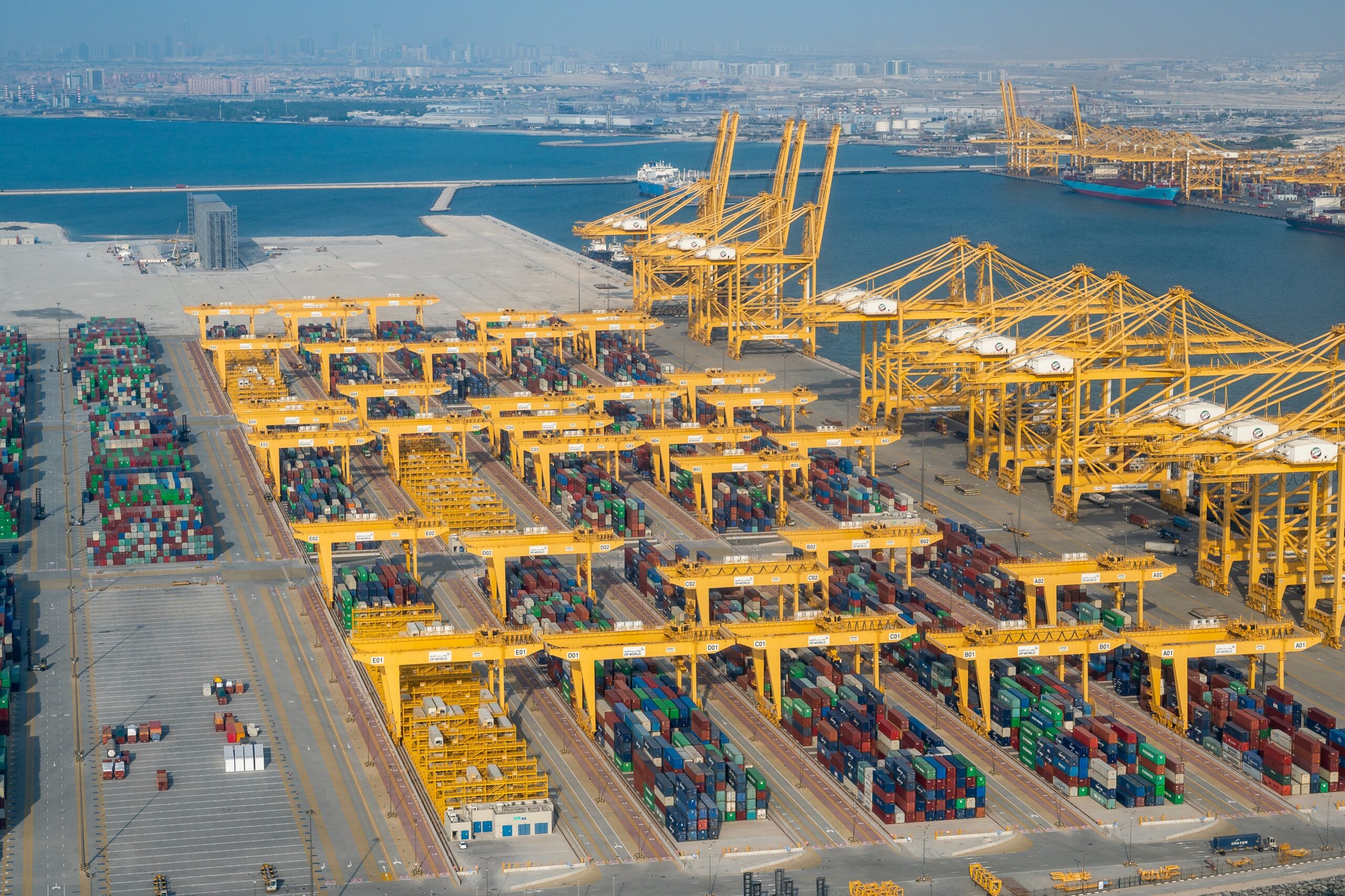
Imported steel enters Libya predominantly by sea through the commercial ports operated by the Libyan Ports Company. The principal gateways for steel and construction materials are:
- Misurata (Qasr Ahmad) — adjacent to the LISCO mill and industrial zone; handles iron ore, construction materials and breakbulk steel.
- Tripoli — the country’s premier general-cargo and bulk port serving the western market.
- Benghazi — the main eastern gateway for conventional cargo, bulk and containers.
On the supply side, Libya’s raw-material and finished-steel flows connect to Europe, the Mediterranean basin and wider international markets — for example, LISCO sources iron-ore pellets internationally (historically from Brazil, Canada and Sweden) and has exported rebar to European destinations. Imported finished rebar, structural sections and coil typically arrive from European, Turkish and other Mediterranean suppliers via these ports. From Germany, consignments route through north European ports onward to Misurata, Tripoli or Benghazi.
What Drives Steel Prices in Libya
Landed steel prices in Libya are shaped by a mix of global and local factors rather than a single published index. Key drivers include:
- Global raw-material costs — iron ore, scrap, DRI/HBI and the natural-gas and electricity inputs that EAF/DRI production depends on.
- International benchmark rebar and billet prices — Mediterranean and EU export levels feed directly into import quotes.
- Freight and insurance to Libyan ports, plus customs duties and clearance handled via the Libyan Customs Authority.
- Domestic availability — LISCO mill output and project demand, which can swing local rebar pricing independently of import parity.
- Currency and payment terms, which influence the effective cost of imported tonnage.
Because public Libyan price series are limited, buyers should benchmark against international market reporters rather than rely on fixed figures. Useful sources include SteelOrbis, Fastmarkets and worldsteel for capacity, demand and benchmark pricing context. We quote live, project-specific landed pricing on request rather than indicative numbers.
| Product | Typical grade | Common use in Libya |
|---|---|---|
| Reinforcing bar (rebar) | B500B / A615 Gr60 | Concrete frames, infrastructure |
| Welded mesh | B500A / B500B | Slabs, walls, paving |
| Coil / wire rod | Low-carbon | Stirrups, drawing, fabrication |
| Cut & bend | To BBS / drawings | Project-ready schedules |
Why Import Rebar via Steel Rebar Germany
For Libyan contractors and traders needing certified European material, we supply directly from Germany with the documentation and grades your projects specify:
Certified grades
B500B / B500A and ASTM A615 Grade 60 rebar, welded mesh and coil — all with EN 10204 3.1 Mill Test Certificates and CE marking to EN 1090 where applicable. See quality & certifications.
Export to Libyan ports
Shipments routed to Misurata, Tripoli and Benghazi, with documentation aligned to Libyan Customs and PTS registration requirements for smooth clearance.
Cut & bend, mesh, coils
Stock-length rebar plus project-ready cut-and-bend to your bar bending schedules, welded mesh and coils — see the full rebar product range.
Frequently Asked Questions
Which steel grades are supplied to Libya?
What certificates and documents are issued?
What is the lead time to Libya’s main port?
What is the minimum order quantity (MOQ)?
Request a steel quote for Libya
Certified B500B and Grade 60 rebar, mesh, coils and cut & bend — exported from Germany to Misurata, Tripoli and Benghazi with full MTC.