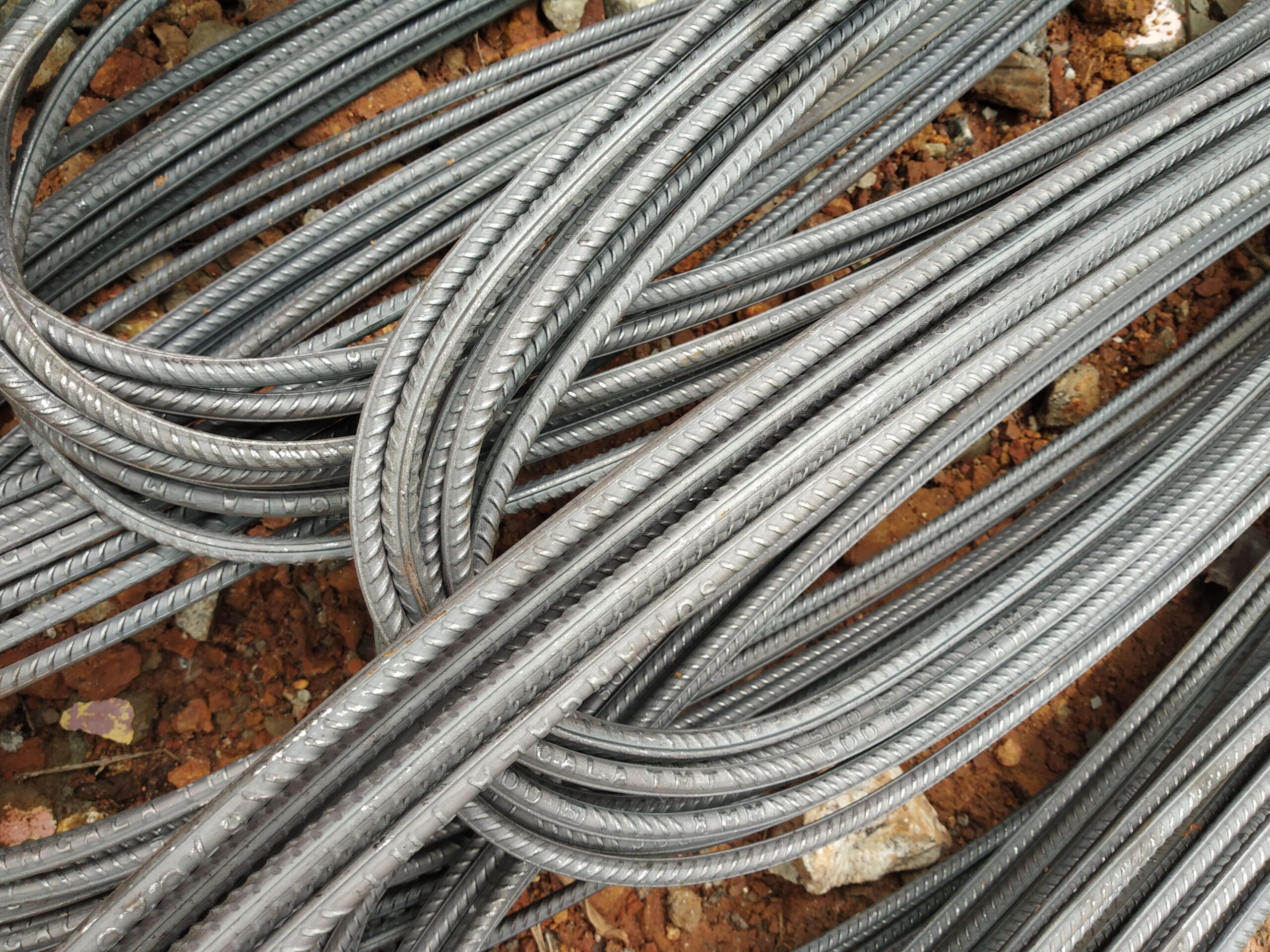
Importing Steel Rebar: Customs, HS Codes and Documentation
Importing steel rebar smoothly comes down to the right HS code, a clean documentation pack and an awareness of any inspection or trade-measure requirements at your destination. This guide explains the HS 7214/7228 family and the documents customs expects.
Importing steel rebar is routine once you know how customs classifies reinforcing bar and which documents must accompany the shipment. The two pillars are the correct HS code and a complete documentation pack. Getting both right keeps your German or EU-standard rebar moving through clearance without delays, duty disputes or inspection holds. This is general guidance — always confirm specific duty rates, trade measures and inspection rules with your customs broker for the destination country.
HS codes for steel rebar: the 7214 and 7228 family
Reinforcing steel is classified in Chapter 72 of the Harmonized System. The exact code depends on whether the bar is plain or non-alloy hot-rolled, in coils, or alloy steel. The headings most relevant to rebar buyers are:
| HS heading | Covers |
|---|---|
| 7213 | Bars and rods, hot-rolled, in irregularly wound coils, of non-alloy steel |
| 7214 | Other bars and rods of non-alloy steel, hot-rolled (incl. concrete reinforcing bar) |
| 7215 | Other bars and rods of non-alloy steel (e.g. cold-formed/finished) |
| 7227 | Bars and rods of other alloy steel, hot-rolled, in coils |
| 7228 | Other bars and rods of other alloy steel |
Most standard non-alloy concrete reinforcing bar falls under heading 7214, with the specific 8-to-10-digit national tariff code depending on your country’s tariff schedule. Coil rebar may fall under 7213, and alloyed grades under 7227/7228. Your supplier states the HS heading on the invoice, but the final classification and duty are determined by the importing customs authority — so confirm the exact national code with your broker.
The core import documentation pack
Customs and your bank will expect a consistent set of documents. For German and EU-standard rebar this typically includes:
- Commercial invoice — describes the goods, value, Incoterm, HS heading and parties.
- Packing list — bundles, weights, dimensions and marks for each lot.
- Bill of lading (B/L) — the ocean carrier’s transport document and title.
- Certificate of Origin (CoO) — states the country of manufacture; may be needed for preferential duty.
- Mill Test Certificate (EN 10204 3.1) — proves the steel’s grade and properties.
- CE marking / Declaration of Performance — where applicable for the destination market.
All documents must agree with each other: the same description, weights, HS heading and values. Mismatches are the most common cause of clearance delays. See how to order rebar from Germany for how this pack is assembled at the order stage.
Inspection and conformity schemes
Some destinations require pre-shipment inspection or a conformity assessment before goods can clear. Schemes vary by country and may involve an accredited inspection body checking quantity, marking and conformity against the contract, then issuing a certificate of conformity. If your country operates such a scheme, build it into the order timeline so inspection is scheduled before loading rather than after arrival.
Duties, VAT and trade measures
Beyond standard import duty and VAT/GST, steel products can be subject to trade-defence measures such as anti-dumping duties, countervailing duties or safeguard quotas in certain markets. These depend on the origin of the steel and the importing country’s policy at the time. Because these change, confirm the current position with your broker and reference the Certificate of Origin, which establishes where the steel was made.
Practical tips for a clean clearance
Classify early and confirm the national HS code before shipment; keep every document consistent; ensure the CoO and MTC match the invoice; and check inspection and trade-measure requirements for your destination well before the vessel sails. With a tidy pack, reinforcing steel typically clears as a straightforward commodity import. Our export and delivery team prepares documentation to match your destination’s requirements.
Frequently asked questions
Common questions about importing steel rebar.
What HS code is used for steel rebar?
What documents do I need to import rebar?
Is pre-shipment inspection always required?
Are there anti-dumping or safeguard duties on rebar?
Who is responsible for customs clearance?
Source German-standard rebar with full export documentation
Tell us your specification and destination port — we’ll respond with a detailed quotation.