Infrastructure Projects Algeria
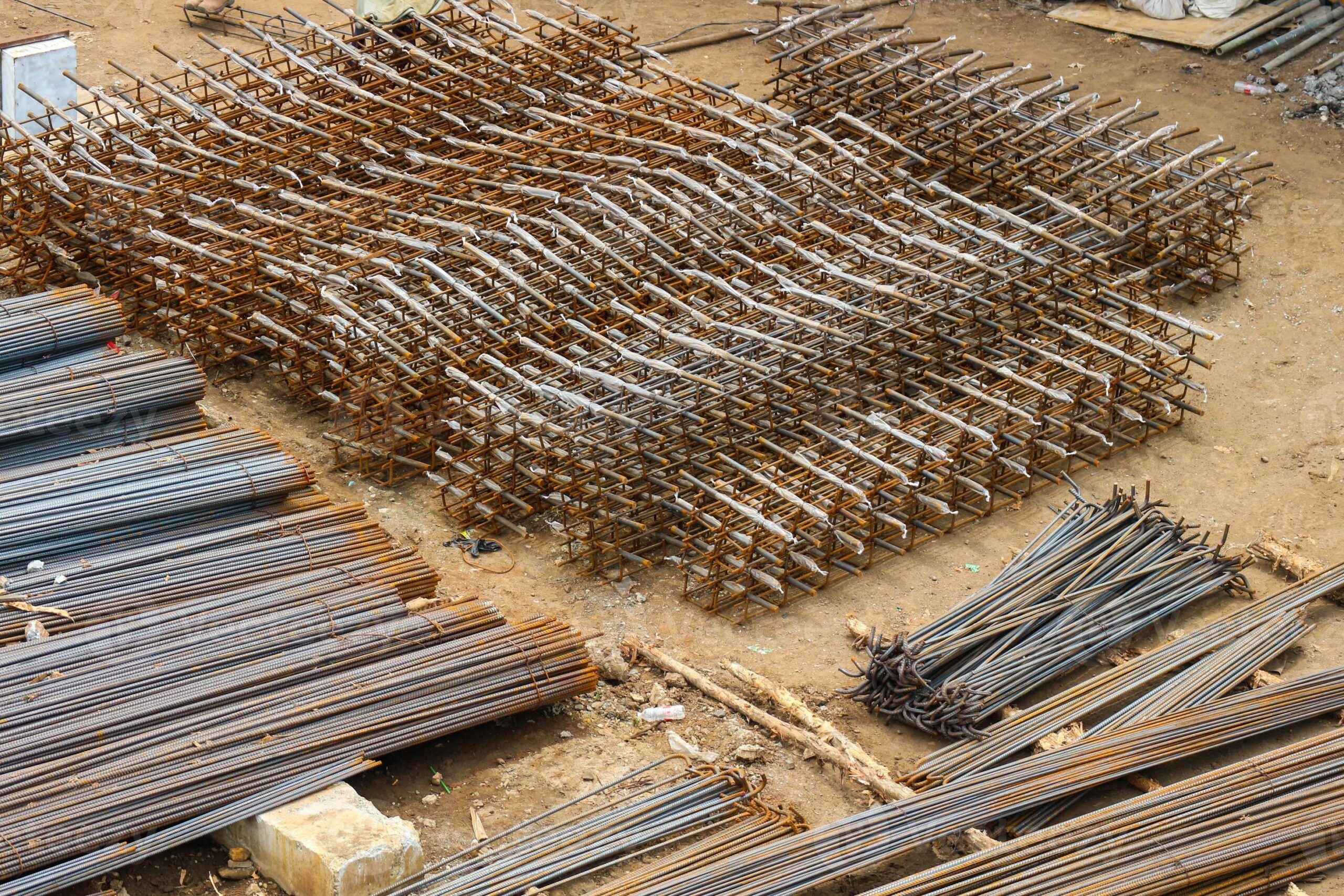
Algeria’s road, rail, housing and water programmes are driving sustained demand for reinforcing steel. As a wholesale rebar supplier and exporter, we deliver bulk B500B rebar, welded mesh and cut & bend straight to Algerian ports at competitive export prices.
Algeria’s Infrastructure Pipeline and Rebar Demand
Algeria runs one of North Africa’s most active public works programmes, and reinforcing steel sits at the centre of nearly every project on the books. The trans-Saharan highway, the east-west motorway extensions, new rail corridors linking the High Plateau to the coast, large-scale social housing (AADL) and major water and desalination schemes all convert directly into tonnage of rebar. For a buyer, contractor or distributor, that means a steady, year-round requirement for reinforcing bar in grades, diameters and bend schedules that match local design codes.
While Algeria has expanded domestic steelmaking capacity, demand from concentrated project starts often outpaces what local mills can deliver on a given schedule, and contractors still rely on imports to secure specific diameters, mesh runs and large committed volumes. That is precisely where an international wholesale supplier and exporter adds value: filling the gap between project timelines and mill availability with bulk, certified rebar. For the wider market picture, see our Algeria steel market hub.
Prices & Market Insight
Rebar pricing for Algerian projects is shaped by global drivers more than by any single local factor. Iron ore and scrap costs, energy and freight rates, EU and Mediterranean billet movements, and exchange-rate swings all feed into the landed cost a contractor finally pays. Tender-led buying also concentrates demand into bursts, so timing a bulk order against the price cycle matters as much as the headline figure. We publish no invented numbers here; instead we benchmark every quote against live trade data so buyers can plan budgets with confidence.
For independent context on global steel flows and reinforcing-bar pricing trends, buyers can consult the World Steel Association and market reporting from SteelOrbis and Fastmarkets. These sources track the same cost drivers that move our export prices to Algeria.
Bulk Supply & Export to Algeria
Steel Rebar Germany supplies Algerian infrastructure projects, distributors and contractors as a direct wholesale exporter — no middlemen between the mill and your site. Our standard programme for Algeria covers:
- Reinforcing bar: B500B and Grade 60 rebar across the full diameter range, supplied in bulk for foundations, columns and structural concrete. See TMT steel rebar.
- Welded mesh & coils: standard and made-to-order mesh panels plus rebar in coil for high-throughput projects.
- Cut & bend service: bar prepared to your bending schedule, reducing on-site labour and waste for large pours.
- Documentation: mill test certificates (MTC) with every lot, plus the export paperwork your customs broker needs.
Volumes ship in full-container and break-bulk loads to Algeria’s main ports, with export prices quoted FOB or CFR to suit your incoterm. Browse the full rebar product range, or compare delivery into neighbouring markets such as Morocco, Tunisia and Egypt on our steel by country directory.
Official Data Sources for Algeria
Importers and project teams sourcing reinforcing steel into Algeria should verify tariffs, standards and trade statistics through official channels:
- Direction Générale des Douanes (Algerian Customs) — tariff schedules and import procedures.
- Ministry of Industry & Pharmaceutical Production — industrial and steel-sector policy.
- Office National des Statistiques (ONS) — national trade and construction statistics.
- World Steel Association — global production and demand data.
Frequently Asked Questions
What is your minimum order quantity (MOQ) for Algeria?
What is the lead time to Algerian ports?
How is bulk pricing set for export to Algeria?
Bulk rebar for your Algerian project
Get export prices on B500B rebar, mesh and cut & bend, delivered direct to Algerian ports — no middlemen.