Steel Suppliers, Exporters & Wholesalers in Morocco
A practical guide to the Moroccan steel market: who the leading producers are, how rebar and structural prices move, which ports handle imports, and how to source certified European rebar for projects across Casablanca, Rabat, Tangier and beyond.

Morocco’s steel market at a glance
Morocco is one of North Africa’s most dynamic construction markets, driven by sustained public infrastructure investment, urban housing, tourism development and the build-out of industrial zones around Tangier, Kenitra and Casablanca. Reinforcing steel (rebar), wire rod and structural sections sit at the heart of this demand, with long products consumed heavily by housing, road, port and renewable-energy projects.
Domestic mills — led by ArcelorMittal Sonasid, alongside Maghreb Steel and newer entrants such as Riva Industries — supply a large share of long products, while flat steel, special grades and peak-demand volumes are frequently covered by imports. According to the Arab Iron and Steel Union, Moroccan steel output rose meaningfully in recent years as major producers expanded capacity. Because local melting capacity does not always match the breadth of grades and finishes that contractors require, Morocco remains an active importer of reinforcing and flat steel — particularly for projects that demand European certification and consistent metallurgical quality. For project context, compare neighbouring markets in Algeria, Tunisia and Libya, and the European supply base in France.
Official Moroccan trade & standards sources
Steel Rebar Germany is a direct wholesale rebar supplier & exporter — bulk B500B/Gr60 to Morocco at export prices, no middlemen. The organisations below are official government, customs & statistics sources only.
Verify duties, standards and import statistics directly from Morocco’s official authorities. These are the primary references for steel importers and project teams:
- Ministry of Industry & Trade (Ministère de l’Industrie et du Commerce) — industrial and trade policy.
- Customs Administration — ADII (Administration des Douanes et Impôts Indirects) — duties, tariffs and import clearance.
- High Commission for Planning — HCP (Haut Commissariat au Plan) — national statistics and economic data.
- IMANOR (Institut Marocain de Normalisation) — Moroccan standards (NM) and conformity certification.
- National Ports Agency — ANP (Agence Nationale des Ports) — port traffic and statistics.
- Tanger Med Port Authority — Morocco’s flagship deep-water and logistics gateway.
- Ministry of Economy & Finance — fiscal framework overseeing customs.
Wholesale rebar supply to Morocco
Steel Rebar Germany is the direct wholesale supplier & exporter to Morocco — bulk B500B/Gr60 rebar, welded mesh, coils & cut-and-bend at export prices, mill-certified to BS 4449 / ASTM A615, no middlemen.
Bulk Orders
Container & break-bulk consignments to Morocco, full mill test certificate on every shipment.
Export Prices
Direct mill-to-site pricing — no distributor markup on bulk rebar & mesh.
Same-Day Quote
How steel reaches Moroccan job sites
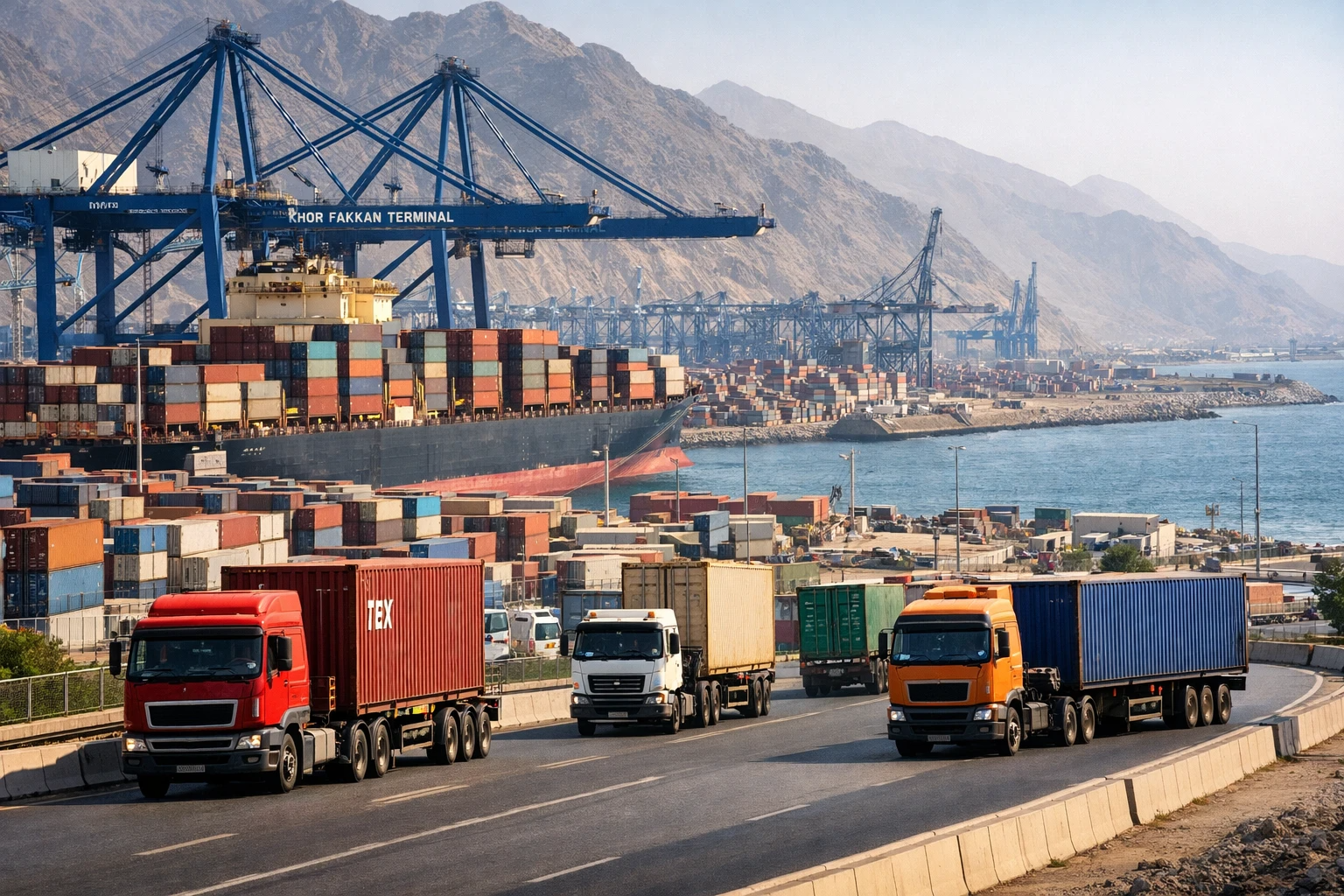
Imported steel typically arrives through Morocco’s Atlantic and Mediterranean gateways. Casablanca port is the historic hub for general cargo and construction materials serving the densely built central corridor, while Tanger Med — one of the largest container and logistics complexes on the Mediterranean — anchors trade with Europe. Bulk and steel cargoes also move through Nador (close to Sonasid’s mill), Jorf Lasfar and Agadir.
Origin countries for Moroccan steel imports are concentrated in the European Union (notably Spain, France, Italy and Germany), Turkey, and selected Gulf and Asian suppliers, with the precise mix shifting by product type and price. European-origin rebar is favoured where EN certification, traceable mill test certificates and tight tolerances are contractual requirements. The short Strait-of-Gibraltar crossing keeps transit times from northern and southern European ports competitive.
What drives steel prices in Morocco
Rebar, structural and flat-steel prices in Morocco are shaped by a blend of global and local factors: international scrap and billet costs, energy prices feeding electric-arc-furnace production, the dirham exchange rate against the euro and US dollar, import duties applied by ADII, sea-freight rates, and the pace of public construction spending. Because most Moroccan long-product output is scrap-based, ferrous scrap and billet movements are a leading indicator for local rebar pricing.
Rather than quote spot figures that age quickly, we recommend tracking live benchmarks. Useful market sources include SteelOrbis, Fastmarkets and worldsteel for output and demand context. For an imported price, the landed cost — mill price plus freight, insurance, duty and clearance — matters more than the headline ex-works number; we build a full delivered quotation for each Moroccan enquiry. See our TMT steel rebar range for grade and size options.
| Price driver | Effect on Moroccan landed cost |
|---|---|
| Scrap & billet | Primary input — moves long-product prices first |
| EUR / MAD & USD / MAD | Sets import parity for European and global steel |
| Sea freight | Short Gibraltar crossing keeps EU freight competitive |
| ADII import duty | Applied at clearance — verify current tariff |
| Construction demand | Public projects tighten or loosen local supply |
Why import rebar through Steel Rebar Germany
For Moroccan contractors and traders who need certified, traceable steel on a reliable schedule, we ship directly from European mills to your nominated port:
Certified grades
B500B / B500A and ASTM Gr 60 rebar with EN 10204 3.1 mill test certificates and CE marking under EN 1090 where applicable.
Full product range
Straight and coiled rebar, welded mesh, wire rod and cut-and-bend to schedule — consolidated into efficient mixed loads.
Export to Moroccan ports
Delivery to Casablanca, Tanger Med, Nador and Agadir with clearance-ready documentation for ADII and IMANOR.
Importing steel to Morocco — FAQ
Which steel grades do you export to Morocco?
What certifications come with rebar shipped to Morocco?
What is the typical lead time to Casablanca or Tanger Med?
What is the minimum order quantity for export to Morocco?
Request a steel quote for Morocco →
Tell us your grades, sizes, tonnage and destination port. We’ll return a certified, delivered-price quotation for Casablanca, Tanger Med or any Moroccan port.