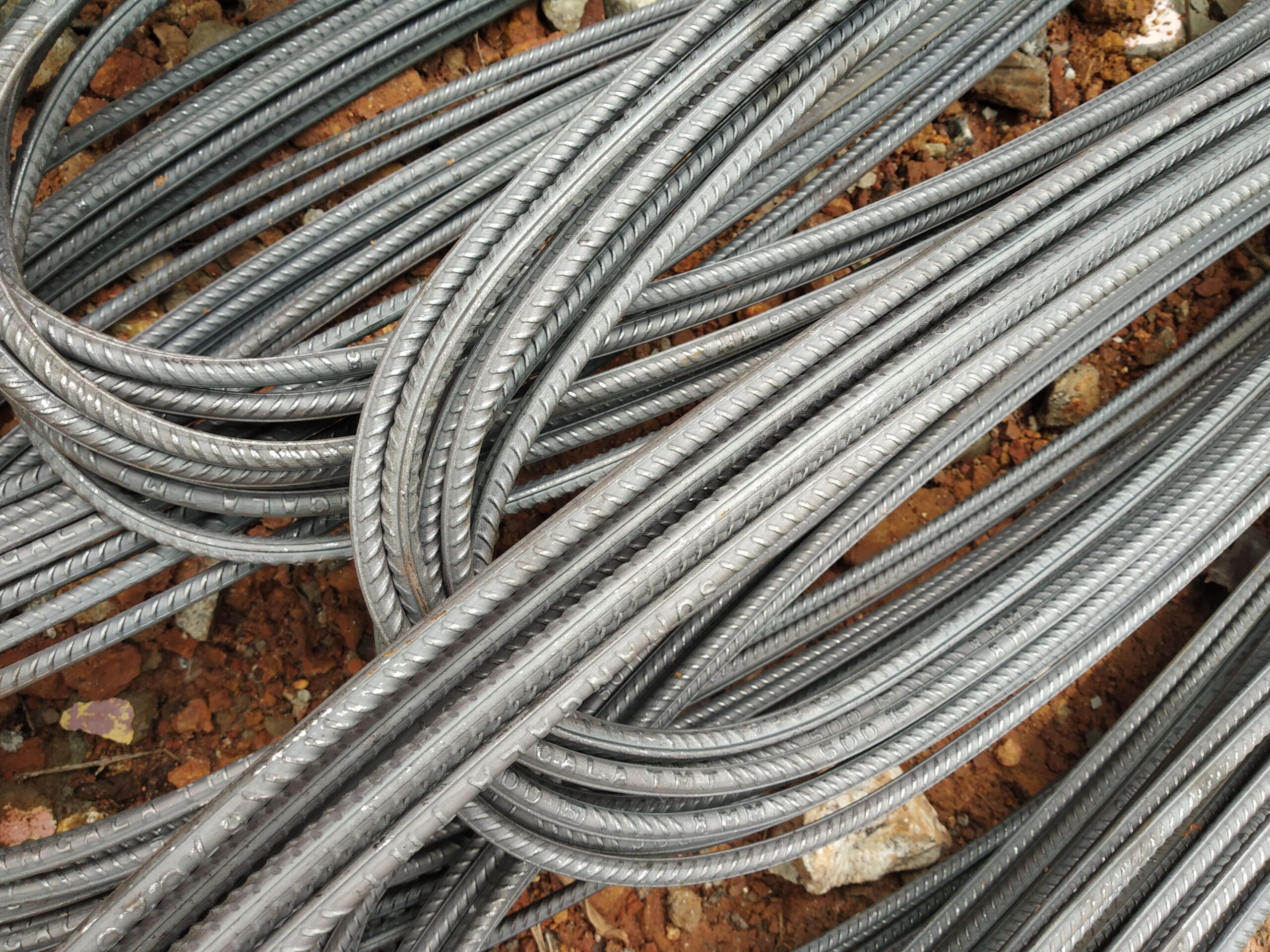
Rebar Sizes and Diameters: A Complete Guide (8–40 mm)
Rebar sizes run from 8 mm to 40 mm in the European range, each with a defined cross-section and unit weight. This guide explains the standard diameters, their sections and lengths, and which rebar size is used where.
Rebar sizes and diameters in the European system are specified by the nominal bar diameter in millimetres, from 8 mm up to 40 mm for straight bar (with 6 mm common in coil and mesh). Each diameter has a fixed cross-sectional area and unit weight set out in DIN 488 and EN 10080, so once you know the size you know the section and the kilograms per metre. This guide walks through the standard rebar sizes, their sections and lengths, and gives practical guidance on which diameter is typically used where.
Standard rebar sizes and their cross-sections
The table below lists the standard rebar diameters with their nominal cross-sectional area and unit weight. These are the sizes you will see on bar-bending schedules and in mill certificates.
| Diameter (mm) | Cross-section (mm²) | Weight (kg/m) |
|---|---|---|
| 6 | 28.3 | 0.222 |
| 8 | 50.3 | 0.395 |
| 10 | 78.5 | 0.617 |
| 12 | 113 | 0.888 |
| 14 | 154 | 1.21 |
| 16 | 201 | 1.58 |
| 20 | 314 | 2.47 |
| 25 | 491 | 3.85 |
| 28 | 616 | 4.83 |
| 32 | 804 | 6.31 |
| 40 | 1257 | 9.86 |
The cross-section follows A = (π/4) × d² and the weight follows kg/m = d² × 0.00617. For the full derivation and tonne conversions, see our rebar weight chart.
Lengths and forms
Straight reinforcing bar is produced in diameters of 8–40 mm and supplied in stock lengths of 6–18 m, with 12 m the most common export length. Smaller diameters of 6–16 mm are also available in coil for automated stirrup and mesh machines, and any size can be cut and bent to BS 8666 / DIN 488 shape codes for delivery as ready-to-fix assemblies. When ordering, specify diameter, length, grade (typically B500B) and quantity in tonnes.
Which rebar size to use where
The right diameter depends on the structural demand and the member. As a general guide:
- 6–8 mm — links, stirrups, mesh and light secondary reinforcement.
- 10–12 mm — slab reinforcement, ties and lightly loaded members.
- 14–16 mm — beams, slabs and general structural reinforcement.
- 20–25 mm — columns, heavily loaded beams and foundations.
- 28–40 mm — large columns, pile caps, transfer structures and heavy civil works.
Larger diameters carry more load per bar but need longer lap lengths and bigger bending radii, so designers balance bar size against spacing and detailing. The grade behind the size matters too — read what is B500B rebar and compare grades in B500A vs B500B vs B500C. Explore the full bar range on our B500B reinforcing steel page.
Frequently asked questions
Common questions about rebar sizes and diameters.
What rebar sizes are available?
What is the most common rebar size?
What length does rebar come in?
How do I find the weight of a rebar size?
What is the largest rebar diameter you supply?
Source German-standard rebar with full export documentation
Tell us your specification and destination port — we’ll respond with a detailed quotation.