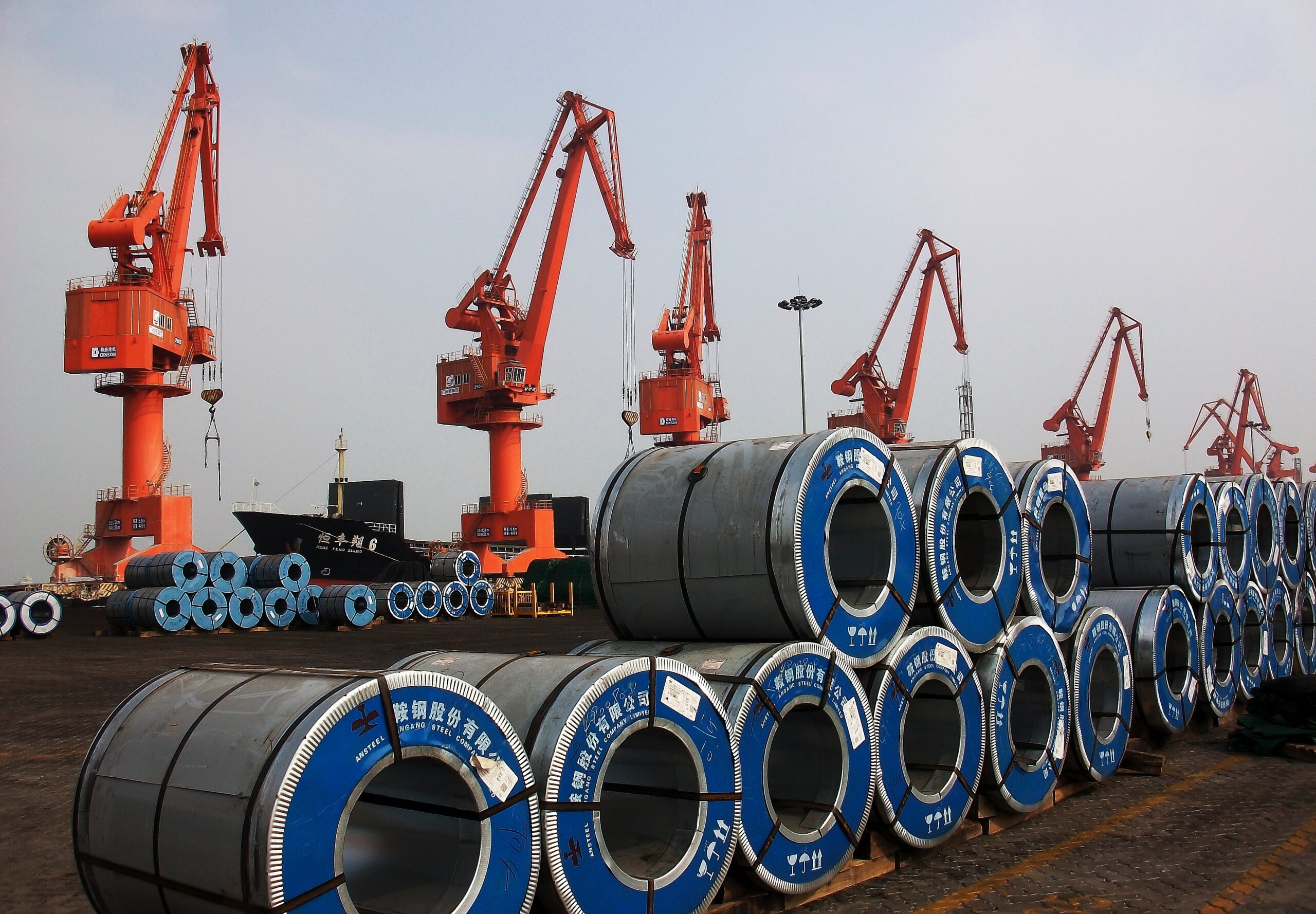
Steel Import Statistics Libya
Libya is a structurally import-dependent steel market. We break down what the import statistics mean for buyers and connect Libyan contractors and traders directly to a German rebar wholesaler and exporter offering bulk supply at transparent export prices.
Why Steel Import Statistics Matter for Libyan Buyers
For any procurement team in Libya, import statistics are not abstract numbers — they are a map of supply security. Libya has very limited domestic long-product capacity, so the overwhelming majority of reinforcing steel consumed on Libyan sites arrives through the country’s ports as imported bar, mesh and coil. Reading the import data correctly tells a buyer where the volume comes from, how exposed a project is to a single origin, and when to lock in bulk orders ahead of price moves.
As a wholesale rebar supplier and exporter, Steel Rebar Germany works with these statistics every day to position dependable bulk supply into Libya. The country’s reconstruction and housing pipeline — spanning Tripoli, Benghazi, Misrata and the coastal corridor — keeps reinforcing-steel demand high relative to local output, which is precisely why import volumes stay elevated and why a stable export partnership is so valuable to Libyan distributors and main contractors.
Libya Steel Market Overview
Libya’s construction sector is driven by post-conflict rebuilding, public housing, oil and gas infrastructure, port upgrades and road programmes. Each of these is rebar-intensive, and with domestic mills unable to cover the full requirement, import dependency is high. That dependency shapes the entire import-statistics picture: when project activity accelerates, import tonnage rises; when foreign-exchange access or letter-of-credit conditions tighten, recorded import flows compress even though underlying demand remains.
Most reinforcing steel reaches Libya through Mediterranean shipping into ports such as Tripoli, Benghazi, Misrata and Khoms. Because the market reads as a North African import hub, it sits alongside neighbours like Egypt, Tunisia and Algeria — each of which we also supply — making regional logistics and consolidated shipments a practical advantage for bulk buyers.
Prices & Market Insight
Libyan import prices for rebar are set far more by global drivers than by anything local. The main qualitative factors a buyer should track are billet and scrap costs, energy prices feeding European and regional mills, Mediterranean freight rates, and currency/financing conditions that govern how easily Libyan importers can settle in hard currency. When global billet firms or freight spikes, landed import costs in Libya follow with a short lag.
Rather than chase invented figures, serious buyers benchmark against neutral market-data sources. The World Steel Association (worldsteel) publishes production and trade context, while pricing services such as SteelOrbis and Fastmarkets track rebar and billet movements that flow through to import quotations. We translate those movements into firm, time-bound export prices for our Libyan customers so a quoted bulk order reflects the real market on the day it is placed.
Bulk Supply & Direct Import from Germany
Steel Rebar Germany is the wholesaler and exporter behind the import line on the statistics — not a broker layered on top of one. We ship directly to Libyan distributors, fabricators and project owners, which removes the middlemen margins that inflate landed cost. Our core programme for the Libyan market includes:
- Reinforcing bar to B500B and Grade 60 in straight lengths and bundles, sized for structural and infrastructure work.
- Welded wire mesh and rebar coils for slabs, raft foundations and high-volume repetitive work.
- Cut-and-bend service delivered to schedule, reducing on-site labour and scrap for Libyan contractors.
- Mill Test Certificates (MTC) with every consignment, so customs and consultants receive full chemical and mechanical traceability.
- Consolidated bulk orders and export pricing structured around vessel loads to Libyan ports.
Explore the full rebar product range and our TMT steel rebar specifications, or browse supply programmes for other markets through our steel by country directory. For the full Libyan market profile, see the Libya steel hub.
Official Data Sources for Libya
To verify import statistics, tariff treatment and standards compliance independently, buyers should consult Libya’s own authorities rather than third-party resellers:
- Libyan Customs Authority — import procedures, duties and clearance.
- Ministry of Economy & Trade (eJraat portal) — trade regulation and licensing.
- Libya Trade Network (LTNET) — single-window trade and documentation.
- Libyan National Centre for Standardization & Metrology (LNCSM) — product standards and conformity.
Frequently Asked Questions
What is the minimum order quantity (MOQ) for bulk rebar to Libya? +
What are the lead times to the main Libyan ports? +
How is bulk export pricing set for Libyan buyers? +
Bulk Rebar Supply for Libya, Direct from Germany
Send your bar schedule and destination port. We respond with firm export prices, lead time and MTC documentation for your next bulk order.