Steel Market Forecast Iraq
Where Iraq’s rebar and structural-steel demand is heading — reconstruction pipelines, import dependence and the price drivers that shape landed cost — plus how to lock in bulk B500B/Gr60 from a German wholesaler and exporter at export prices.
Iraq’s steel demand outlook
Any credible steel market forecast for Iraq starts with one fact: this is a build-intensive, reconstruction-led economy that consumes reinforcing bar faster than its domestic mills can supply it. Housing programmes, oil-and-gas infrastructure, power and water works, and a long backlog of transport projects across the governorates all run on reinforced concrete — which means rebar is the single most important product category in the country’s steel balance, and the one most exposed to import flows.
The near-term direction of travel points to firm, broadly rising consumption. Post-conflict rebuilding in cities such as Baghdad, Basra and Mosul, combined with new commercial and residential development, keeps a structural floor under demand even when oil-revenue cycles introduce volatility into public budgets. For a buyer or distributor, the forecast question is less “will demand exist” and more “which grades, diameters and certifications will be tight, and at what landed price.”
Domestic electric-arc-furnace and rolling capacity has expanded in the Kurdistan Region and the south, but it does not cover every specification. That keeps Iraq structurally reliant on imported billet, rebar, wire rod and sections — a pattern shared with neighbouring importers such as Lebanon, Yemen and the wider region. The sections below set out the import outlook, the price drivers worth watching, and how to source certified material directly. For the full country picture, see our steel in Iraq hub.
What the forecast hinges on
Rebar pricing in Iraq is set less by local list prices than by global benchmarks plus delivery and clearance costs, so a forecast is really a forecast of these moving parts. The drivers most worth tracking are:
- Scrap & billet costs — the raw-material base for EAF mills that sets the floor for both domestic and imported rebar.
- Freight & energy — sea-freight rates to Umm Qasr and energy prices feed directly into landed cost; Red Sea and Suez routing risk can move the number quickly.
- FX & import duties — dinar movements and the customs tariff applied at the border.
- Project demand cycles — reconstruction and infrastructure tenders can tighten availability for specific diameters faster than headline demand suggests.
Rather than relying on quoted spot figures, track independent assessments that publish Middle East and Turkish rebar/billet data relevant to Iraqi buyers: SteelOrbis, Fastmarkets and Kallanish. We do not publish speculative price points here; instead we provide firm, project-specific export prices at the point of quotation. The table below summarises how each driver feeds the landed cost a forecast has to anticipate.
| Driver | Effect on the forecast |
|---|---|
| Scrap / billet | Sets the base trajectory of rebar cost |
| Sea freight | Swings CIF Umm Qasr up or down |
| Customs duty & FX | Final clearance cost in Iraq |
| Certified EU grade | Premium that holds firm through cycles |
Your wholesale rebar supplier & exporter to Iraq
Whatever direction prices take, the import side of the forecast is where buyers actually act. Steel Rebar Germany supplies Iraqi importers, contractors and distributors directly — not as a trader reselling someone else’s tonnage, but as a wholesale supplier and exporter shipping mill-certified material from Germany. That means bulk orders at export prices, with no distributor markup stacked between the mill and your site.
Our core export range for Iraq covers hot-rolled reinforcing bar in B500B / B500C and ASTM A615 Grade 60 (Gr60), in diameters from 8 mm to 40 mm, plus welded mesh, coils and wire rod, and custom cut-and-bend schedules. Every consignment ships with a 3.1 Mill Test Certificate (MTC) per EN 10204, with CE marking under EN 1090 where applicable, and documentation that can be aligned to Iraq’s COSQC requirements and consignee inspection.
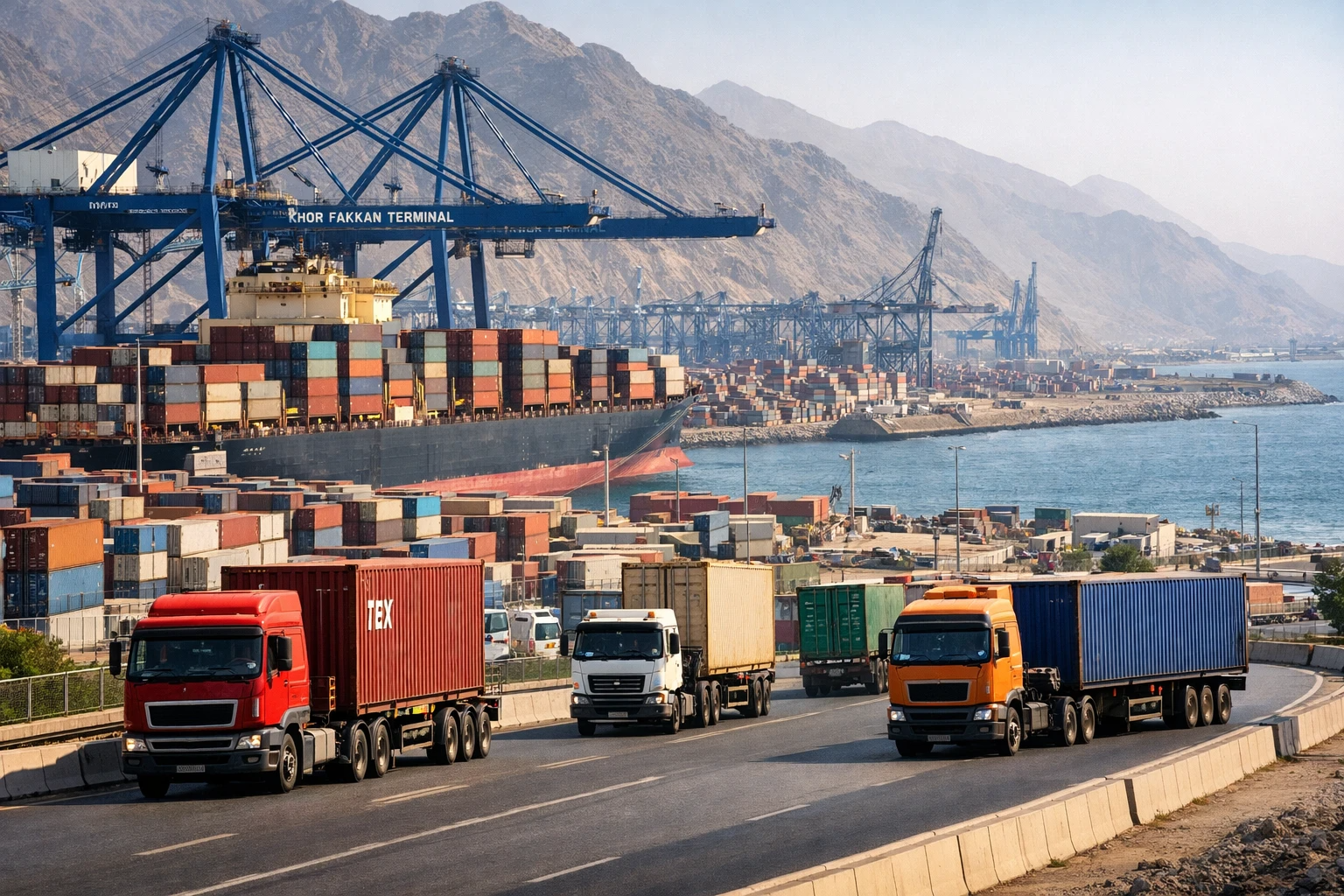
Material is consolidated into full-container or part-cargo lots and shipped to Umm Qasr — Iraq’s main deep-water port in Basra — with the bulk terminal at Khor Al-Zubair as an alternative. Mixed loads of rebar, mesh and coil can be combined to reach an economic shipment. Explore the full range on our rebar products and TMT steel rebar pages, or compare destinations on the steel by country directory alongside markets such as Morocco and Algeria.
Verify the forecast at source
Cross-check import volumes, tariffs, standards and construction statistics directly with Iraq’s official bodies before committing to a contract.
- Ministry of Industry and Minerals →National authority for industrial policy, state steel enterprises and minerals.
- General Authority of Customs (Ministry of Finance) →Customs procedures, tariff schedules and import clearance for steel.
- Central Statistical Organization (Ministry of Planning) →Foreign-trade, national accounts and construction statistics.
- COSQC — Standardization & Quality Control →Iraq’s national standards body for product conformity and quality.
- National Investment Commission →Investment licensing and incentives for industrial and infrastructure projects.
Bulk steel export to Iraq — common questions
What is the minimum order quantity for bulk rebar to Iraq?
What is the lead time for delivery to Umm Qasr port?
How are bulk export prices set, and can you hold them?
Plan your Iraq supply against firm export prices
Send us your grade, diameter, tonnage and delivery port. We respond with certified bulk pricing and a lead-time window.