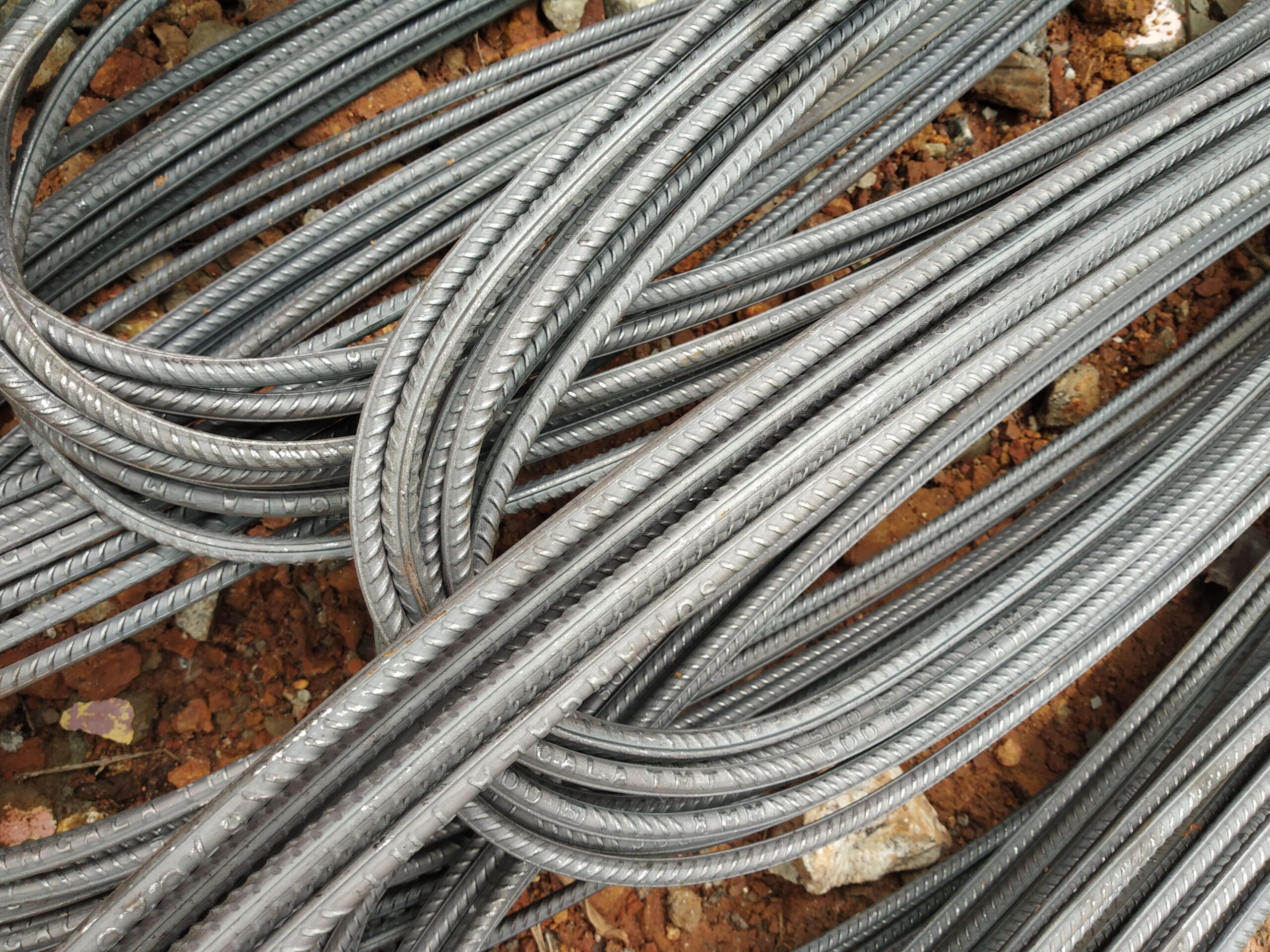
Third-Party Inspection for Rebar — When to Use It and What It Covers
Commissioning third-party inspection for a rebar shipment adds an independent verification layer between the mill and your project site. This guide explains the inspection types, the scope of a typical rebar TPI engagement, and the checklist your inspector should follow.
Why Third-Party Inspection Matters for International Rebar Purchases
When you import reinforcing steel across borders, you cannot physically audit the mill yourself before shipment. A third-party inspection (TPI) service — carried out by an accredited inspection company such as Bureau Veritas, SGS, Intertek, or TÜV — closes that gap. The inspector attends the mill or warehouse on your behalf, verifies that the material matches your purchase order, and issues an independent inspection certificate (EN 10204 type 3.2) or a separate inspection report.
TPI is not always mandatory, but it is strongly advisable when:
- Your project specification or contract requires an EN 10204 3.2 certificate
- The order value is significant and your quality assurance plan demands independent evidence
- You are working with a new supplier for the first time
- The destination country’s building code or import regulations mandate pre-shipment inspection
- The project is in a seismic zone and B500C grade compliance must be independently verified
Types of Third-Party Rebar Inspection
There are three main engagement models for rebar TPI:
1. Pre-Shipment Inspection (PSI)
The inspector visits the mill or distribution warehouse before loading. Scope typically covers: quantity verification (bundle count, weights), dimensional checks (diameter, length, rib geometry), visual surface quality, marking verification (mill mark, grade, diameter), and review of the MTC against the purchase order. A Certificate of Inspection or Clean Report of Findings is issued if everything passes.
2. Source Inspection / Witness Testing
A higher-intensity service where the inspector witnesses the actual mechanical tests at the mill laboratory — tensile, bend, rebend, and mass per metre checks. The inspector countersigns the MTC, creating an EN 10204 3.2 document. This is the gold standard for seismic structures or projects with demanding structural QA requirements.
3. Destination Inspection
Inspection is carried out at the port of discharge or on-site after delivery. Useful when TPI was not arranged pre-shipment, but you need to verify the consignment before incorporating it into permanent works. This does not generate a 3.2 certificate but can provide an independent condition and compliance report.
Rebar TPI Checklist — What Your Inspector Should Cover
Use this table as a scope-of-work reference when briefing an inspection company.
| Inspection Item | Method | Pass Criterion |
|---|---|---|
| Quantity / bundle count | Physical count & weigh-bridge | Matches PO and packing list ± tolerance |
| Nominal diameter | Calliper / gauge | Within DIN 488 / EN 10080 tolerance (e.g. ±0.5 mm for 16 mm bar) |
| Mass per metre | Sample weighing | Within –4.5% / +6% of nominal (DIN 488) |
| Rib geometry | Profile gauge / calliper | Transverse rib height, spacing per standard |
| Surface condition | Visual | No cracks, seams, laps, injurious defects |
| Bar markings | Visual | Mill mark + grade + dia visible on every bar |
| Bundle tags / heat numbers | Visual / recording | Every bundle tagged; tags match MTC |
| MTC review | Document check | 3.1 or 3.2 as required; Re, k, Agt, Ceq within limits |
| Packing / seaworthy condition | Visual | Wire-bound bundles; no rust damage; seaworthy for transit |
| Dimensional lengths | Tape / laser | Within ordered length tolerance (typically –0/+50 mm per bar) |
How to Brief an Inspection Company for Rebar
To get a useful TPI report, your inspection brief should include:
- Purchase order number, supplier name and address, and order quantity by diameter
- Steel grade and standard (e.g. B500B per DIN 488 / EN 10080)
- Required certificate type: EN 10204 3.1 (review only) or 3.2 (witness testing)
- Mechanical property limits: Re ≥ 500 MPa, k ≥ 1.08, Agt ≥ 5.0% (or B500C limits if applicable)
- Chemical limits if relevant (Ceq ≤ 0.50% for weldability)
- Packing and marking requirements per your export delivery terms →
- Requested inspection date and loading schedule
A well-briefed inspector will compare the actual material against these parameters and flag any nonconformances before the container is sealed. This is far less disruptive than discovering a quality issue after customs clearance at the destination port.
TPI in the Context of an International Rebar Procurement
Third-party inspection sits within a broader quality assurance workflow. Before TPI takes place, you should have already agreed on grade, standards, and delivery terms — and after TPI, the inspector’s report should be filed alongside the mill test certificate → and your procurement checklist → as part of the project QA record. Together these documents form the material traceability chain from the steel mill to the poured slab.
For projects where a full seaworthy export pack is required — CE Declaration of Performance, EN 10204 3.1 or 3.2 MTC, Certificate of Origin, packing list, and inspection report — speak to your supplier at the quotation stage to confirm all documents will be provided before shipment.
Frequently Asked Questions — Rebar Third-Party Inspection
Is third-party inspection mandatory for rebar imports?
What is the difference between an EN 10204 3.1 and 3.2 certificate for TPI purposes?
Which inspection companies are recognised for rebar TPI?
Can third-party inspection replace the mill test certificate?
How far in advance should I arrange rebar TPI?
Source German-standard rebar with full export documentation
Tell us your specification and destination port — we’ll respond with a detailed quotation including EN 10204 3.1 MTCs, CE Declaration of Performance, and Certificate of Origin.