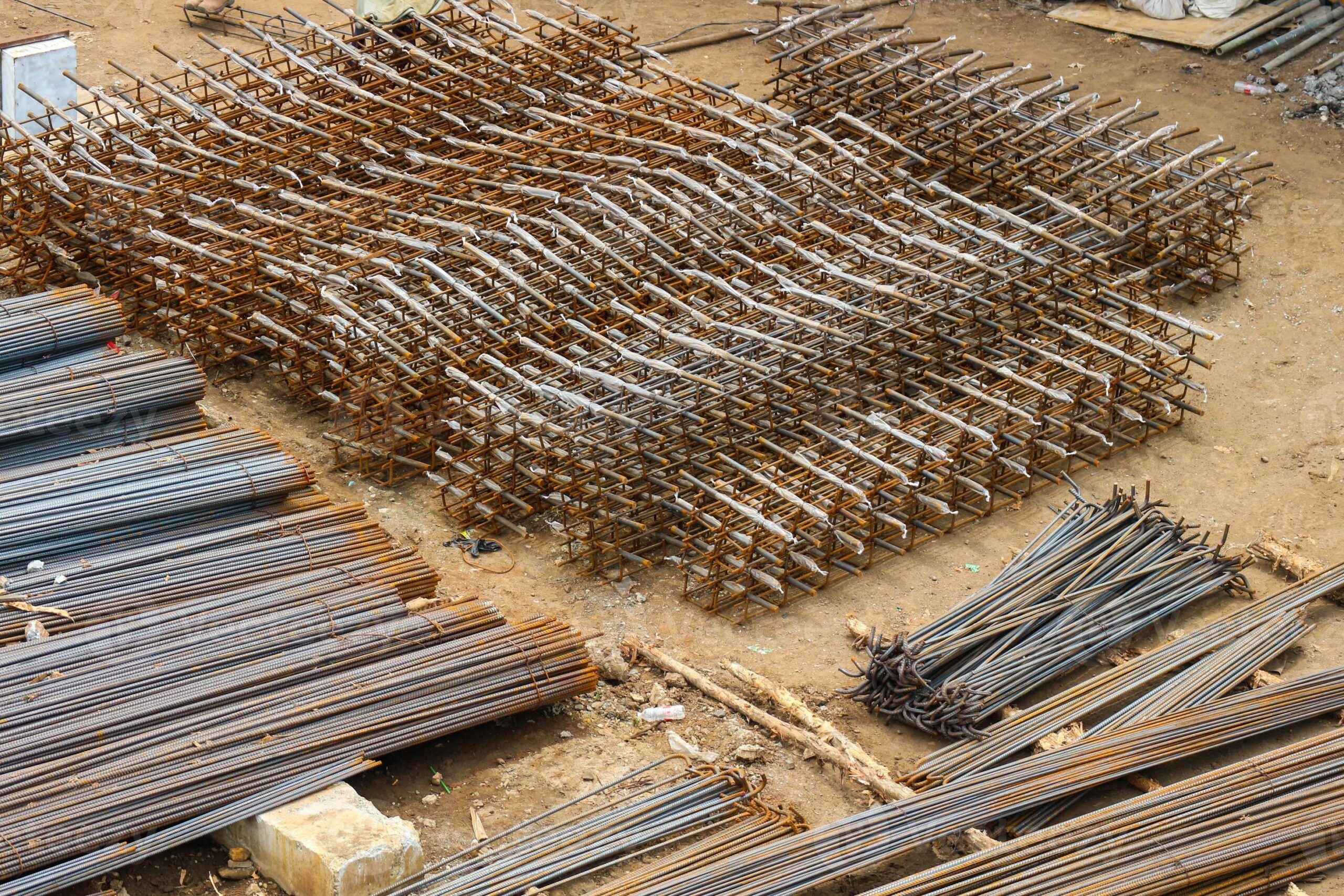
Rebar for Dams & Hydraulic Structures
Reinforcing steel for dams, weirs, barrages, sluice gates and hydraulic retaining walls — supplied as B500B bar, cut-and-bend cages, mesh and mechanical couplers to DIN 488 / EN 10080, designed to Eurocode 2.
Why Hydraulic Structures Demand High-Performance Reinforcing Steel
Dams, barrages, tidal barriers and hydraulic intake structures represent some of the most demanding reinforced-concrete environments in civil engineering. Mass-concrete faces, gallery linings, aprons and wing walls are permanently exposed to hydrostatic pressure, cyclic wetting and drying, and in many climates, aggressive chemistry from dissolved minerals, chlorides or sulfates.
The structural integrity of these assets over a design life of 50–100 years depends critically on the quality and traceability of the reinforcing steel. B500B rebar to DIN 488 / EN 10080 provides the 500 MPa minimum yield strength, high ductility (k = Rm/Re ≥ 1.08, Agt ≥ 5.0%) and well-defined chemistry that engineers specify when designing to Eurocode 2 (EN 1992-1-1). Full third-party inspection and Mill Test Certificates (EN 10204 type 3.1) document every heat of steel — essential for dam-safety authority acceptance.
Rebar Products Supplied for Dam & Hydraulic Work
Steel Rebar Germany supplies a complete programme of reinforcing products tailored to mass-concrete hydraulic construction:
- B500B straight bars — diameters 8–40 mm, stock lengths 6–18 m (typical delivery 12 m), ribbed surface for bond. Weight from 0.395 kg/m (ø8) to 9.86 kg/m (ø40).
- Cut-and-bend cages and stirrups — prefabricated to your bending schedules per DIN 488 shape codes or BS 8666, reducing on-site labour in remote dam sites.
- Reinforcing steel mesh — standard Q/R-type panels (6.0 × 2.3 m) and bespoke sizes for slab aprons and facing elements.
- Mechanical couplers (rebar splices) — parallel-thread or taper-thread systems for diameters 12–40 mm, eliminating costly lap lengths in thick walls and gallery sections.
- Lattice girders — for precast gallery formwork and filigree slab elements integrated into hydraulic structures.
Specification Data: B500B Bar for Hydraulic Reinforcement
Standard cross-section and unit weight data for sizing rebar in dam and hydraulic structure design.
| Diameter (mm) | Weight (kg/m) | Cross-section (mm²) | Typical use in hydraulics |
|---|---|---|---|
| 10 | 0.617 | 78.5 | Facing slab distribution steel |
| 12 | 0.888 | 113 | Gallery lining, light walls |
| 16 | 1.58 | 201 | General dam body reinforcement |
| 20 | 2.47 | 314 | Apron, pier, abutment main bars |
| 25 | 3.85 | 491 | Heavy piers, sluice gate frames |
| 32 | 6.31 | 804 | Mass-concrete column zones |
| 40 | 9.86 | 1257 | High-load buttress sections |
Formula: weight (kg/m) = d²(mm) × 0.00617 · Cross-section (mm²) = π/4 × d²
Technical Challenges — and How DIN 488 / EN 10080 Steel Addresses Them
Dam and hydraulic engineers face unique materials demands. Here is how German-standard rebar meets each challenge.
Water Tightness & Crack Control
Eurocode 2 crack-width limits (typically 0.1–0.2 mm for water-retaining structures) require accurate As calculations. B500B’s consistent 500 MPa yield and ductility class B ensure the design assumptions of EN 1992-3 (liquid-retaining structures) are met.
Aggressive Chemical Environments
Gallery drains, spillways and aprons in sulfate-rich or brackish environments demand maximum concrete cover paired with well-bonded ribbed bars. DIN 488 rib geometry ensures the bond-slip behaviour assumed by Eurocode 2 is realised in practice.
Mass-Concrete Thermal Effects
Large dam pours generate significant heat of hydration. Rebar must accommodate early thermal contraction without microcracking the bond. B500B’s ductility (Agt ≥ 5.0%) provides the strain capacity to absorb these movements while maintaining structural performance.
Dam-Safety Traceability
Most national dam-safety authorities require documented material traceability. Each delivery includes an EN 10204 type 3.1 Mill Test Certificate, Certificate of Origin and CE Declaration of Performance — providing the full paper trail from heat to structure.
Congested Reinforcement Zones
Sluice gate frames, intake throats and gallery intersections are heavily congested. Mechanical couplers (dia 12–40 mm) eliminate 50–60 d lap lengths, reducing congestion and improving concrete consolidation around critical connections.
Remote Site Logistics
Many dam sites are in remote regions. We supply in seaworthy bundles (~2 t), container or break-bulk, with full export documentation for customs clearance — including packing list, Certificate of Origin and commercial invoice.
Cut-and-Bend Cages: Reducing On-Site Labour at Remote Dam Sites
Pre-fabricated reinforcement cages and stirrups, bent to your bending schedules in the factory, arrive on site ready to place. For hydraulic structures this approach is particularly valuable:
- Gallery lining cages can be prefabricated in segments matching gallery geometry, dramatically reducing skilled labour underground.
- Apron mats and facing panel reinforcement can be supplied as prefabricated mesh panels with custom bar spacings.
- Sluice gate frames and pier cages can be assembled and delivered as complete units for crane placement.
- All bending is performed to DIN 488 shape codes (or BS 8666 on request), with documentation cross-referencing the bending schedule bar marks.
Contact us with your bending schedule or structural drawings and we will provide a cut-and-bend quotation alongside straight bar supply.
Rebar Cut & Bend Service →Frequently Asked Questions — Rebar for Dams & Hydraulic Structures
Which rebar grade is recommended for water-retaining hydraulic structures?
Can you supply rebar with EN 10204 type 3.1 Mill Test Certificates for dam-safety authority review?
What is the maximum bar diameter available for heavy hydraulic civil works?
Do you supply rebar in seaworthy packaging for export to dam sites in Africa, the Middle East or Asia?
Can mechanical couplers replace lap splices in gallery and intake structure reinforcement?
Source German-standard rebar with full export documentation
Tell us your specification and destination port — we’ll respond with a detailed quotation for your dam or hydraulic structure project.
