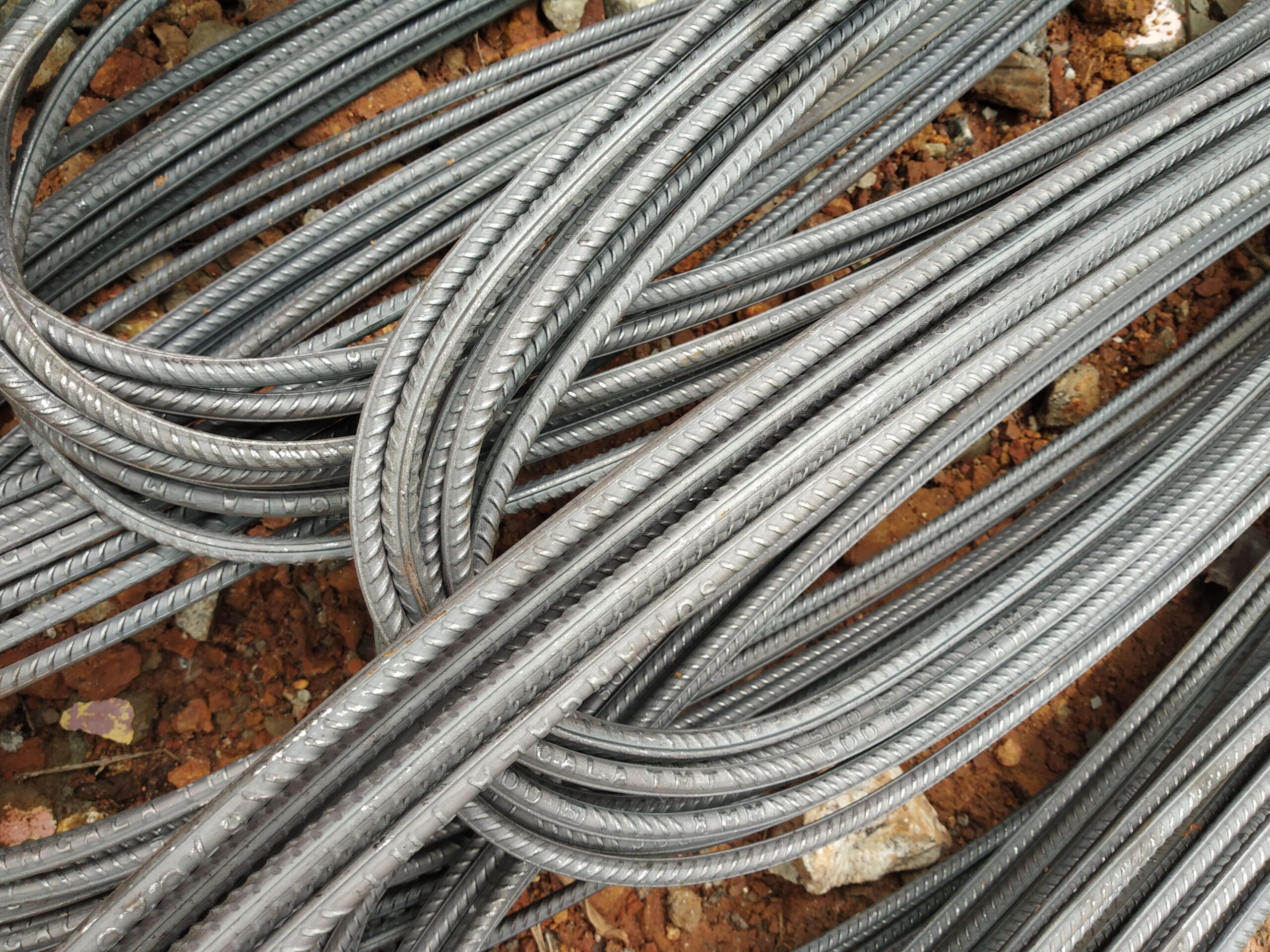
Steel Rebar Supply to Dhaka, Bangladesh
German-standard B500B reinforcing steel — DIN 488 / EN 10080 compliant — exported to Bangladesh via Chattogram Port with EN 10204 3.1 Mill Test Certificate and Certificate of Origin.
Rebar Dhaka: Supplying German-Standard Steel to Bangladesh’s Fastest-Growing City
Dhaka is one of the world’s most densely populated cities and is experiencing structural transformation through major public infrastructure investment. The Dhaka Metro Rail (MRT) network expansion, the Dhaka Elevated Expressway, and multiple urban bridge projects are among the most significant ongoing construction programmes in South Asia. These projects demand reinforcing steel that carries verified mechanical test data, clear mill traceability, and the documentation needed to satisfy international financing covenants — precisely what German and EU-standard production provides.
Steel Rebar Germany supplies B500B hot-rolled deformed rebar manufactured to DIN 488 and EN 10080. B500B provides a minimum yield strength of 500 MPa, k ≥ 1.08, and Agt ≥ 5.0%, making it a high-ductility grade appropriate for seismically active zones. Bangladesh’s location in a region of moderate to high seismic hazard means ductile reinforcement is a meaningful structural advantage: B500B’s superior elongation compared to normal-ductility grades gives structures the deformation capacity needed to absorb seismic energy before fracture.
Bangladesh’s national rebar standard is BDS (Bangladesh Standards) which specifies locally produced steel. Import of German B500B for a specific project requires the structural engineer or project authority to assess comparability based on the EN 10204 3.1 Mill Test Certificate data. We supply this certificate — identifying heat number, chemical analysis, yield strength, tensile strength, elongation, and bend test results — as standard with every shipment. This gives the engineer the complete mechanical record needed for material acceptance on internationally procured projects.
Routing via Chattogram Port
All sea-freight imports to Dhaka and central Bangladesh are cleared through Chattogram Port (formerly Chittagong), Bangladesh’s principal seaport. Chattogram handles the majority of the country’s import cargo volume and is well-equipped for bulk and project cargo, including steel.
- Containerised (flat-rack / open-top): Bundles of approximately 2 tonnes per pack are loaded onto flat-rack or open-top containers at origin. Chattogram’s container terminal handles these efficiently, with direct truck onward movement to Dhaka via the Dhaka–Chittagong highway or rail.
- Break-bulk: For major civil or infrastructure packages requiring larger volumes, break-bulk shipment to Chattogram’s general cargo terminal is an option. Bundles are crane-discharged and typically trucked to project stockpile or re-bundled for barge movement where required.
European departure ports with services to Chattogram include Hamburg, Rotterdam, and Antwerp. Typical sea transit times run 22–32 days depending on routing (direct or via transshipment at Colombo or Singapore). We coordinate pre-shipment document preparation to ensure MTC, Certificate of Origin, packing list, and bill of lading reach the importer’s Chattogram clearing agent before vessel arrival.
Product Range for Dhaka and Bangladesh Projects
Our export scope for Bangladesh covers the principal reinforcement categories for metro, expressway, and building construction in Dhaka:
- B500B straight bars: 8–40 mm diameter, 6–18 m lengths (12 m standard), ribbed DIN 488 profile.
- Rebar coils (B500A/B500B): 6–16 mm for automated stirrup fabrication on elevated metro viaduct and bridge beam construction.
- Welded mesh (DIN 488-4): Q/R standard and bespoke panels for slabs, retaining walls, and precast elements.
- Mechanical couplers (12–40 mm): Parallel-thread or taper-thread — eliminate lap-splice zone congestion in metro column construction and elevated expressway piers.
- Cut and bend: Pre-processed per DIN 488 shape codes from project BBS, bundled by element to reduce on-site labour requirements.
B500B Bar Specification Reference
Available diameters for export to Bangladesh. Weight per metre: d²(mm) × 0.00617.
| Diameter (mm) | Weight (kg/m) | Cross-section (mm²) |
|---|---|---|
| 8 | 0.395 | 50.3 |
| 10 | 0.617 | 78.5 |
| 12 | 0.888 | 113 |
| 16 | 1.58 | 201 |
| 20 | 2.47 | 314 |
| 25 | 3.85 | 491 |
| 32 | 6.31 | 804 |
| 40 | 9.86 | 1257 |
Frequently Asked Questions — Rebar Export to Dhaka & Bangladesh
Is B500B rebar appropriate for seismically active zones in Bangladesh?
How does rebar reach Dhaka from Chattogram Port?
What are the sea transit times from Germany to Chattogram?
Can you supply cut-and-bend rebar for metro viaduct projects in Dhaka?
What HS codes apply to rebar imports into Bangladesh?
Source German-standard rebar with full export documentation
Tell us your specification and destination port — we’ll respond with a detailed quotation.
