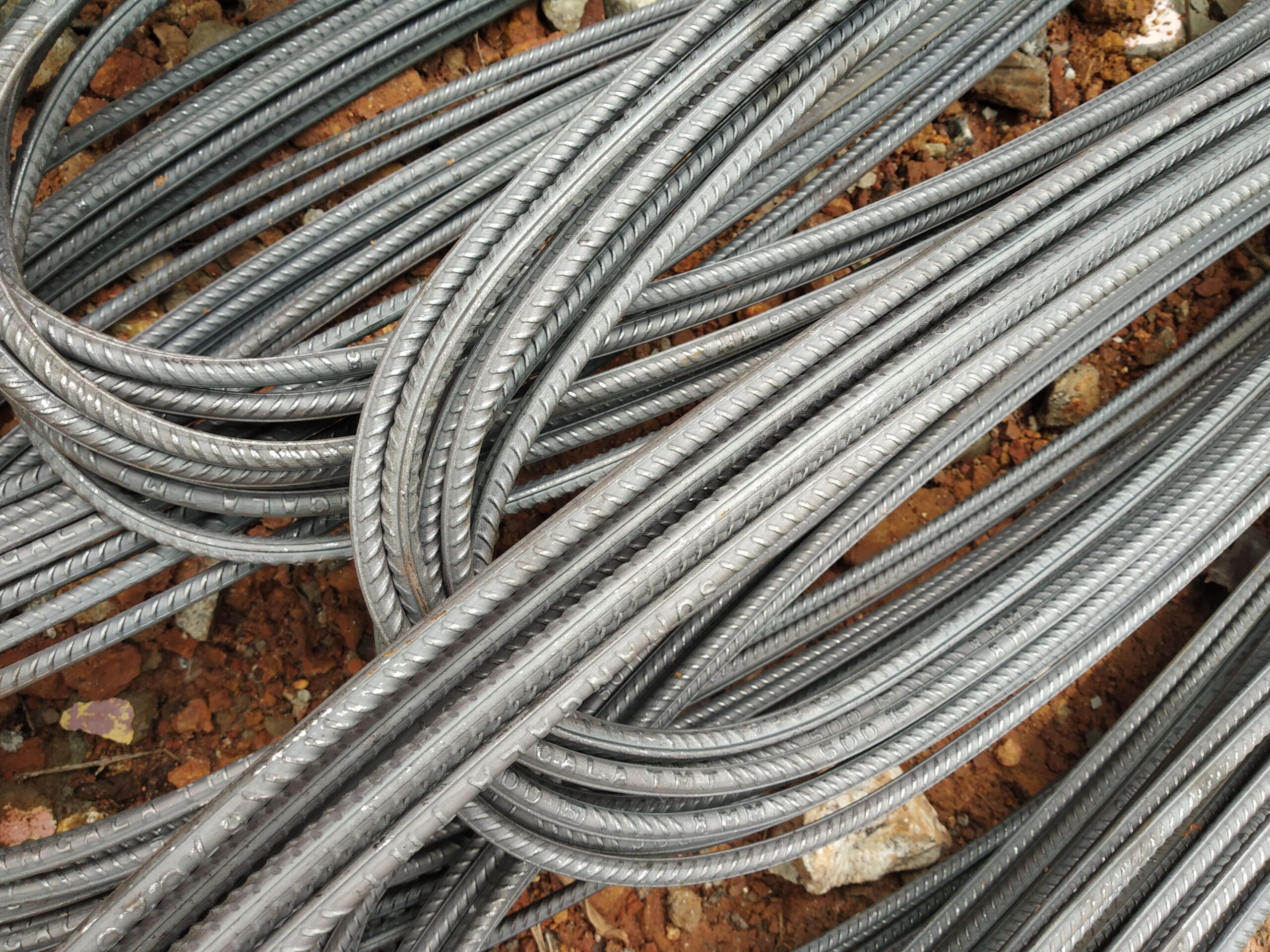
Steel Rebar Export to Uzbekistan
Supplying B500B reinforcing steel from Germany to Uzbekistan — fully documented to EN 10080, technically comparable to GOST 34028 A500C, with Mill Test Certificate and Certificate of Origin for every shipment.
Rebar Uzbekistan: Market Context and Construction Demand
Uzbekistan is one of Central Asia’s fastest-growing construction markets. Large-scale infrastructure programmes — including roads, bridges, multi-storey residential blocks and industrial facilities — are driving consistent demand for reinforcing steel. The country is landlocked, which shapes logistics choices significantly: imports typically arrive by rail via Russia or Kazakhstan, or via Caspian Sea ferry connections, rather than by direct ocean container.
Local reinforcing steel production exists but high-specification, high-ductility grades that align with international Eurocode design practices are often sourced from European suppliers. German-standard B500B rebar is increasingly specified on internationally financed or engineered projects where structural reliability and full traceability are required.
GOST 34028 and EN 10080: Technical Comparability
Uzbekistan’s dominant reinforcing steel standard is GOST 34028 (the updated Russian/CIS bar standard), with grade A500C being the workhorse equivalent of European B500B. The comparison is one of technical similarity, not formal interchangeability:
| Property | GOST 34028 A500C | EN 10080 B500B |
|---|---|---|
| Nominal yield strength | ≥ 500 MPa | ≥ 500 MPa |
| Ductility class | High (Class C) | High (Class B) |
| Elongation at max force (Agt) | ≥ 7.0 % | ≥ 5.0 % |
| Strength ratio k = Rm/Re | ≥ 1.08 | ≥ 1.08 |
| Weldability | Yes (carbon equiv. limit) | Yes (per DIN EN ISO 17660) |
Comparability note: The values above show that B500B to EN 10080 is technically comparable to GOST 34028 A500C in yield strength, ductility and weldability. We do not claim formal Uzbekistan approval or GOST certification for our supply. Engineers and project owners should verify acceptance with their local authority or design team.
Rebar Dimensions and Weight Reference
Standard diameters available for export to Uzbekistan: 8 mm through 40 mm in lengths of 6–12 m (custom cut-to-length also available). Key weight and cross-section data:
| Dia (mm) | Weight (kg/m) | Section (mm²) |
|---|---|---|
| 10 | 0.617 | 78.5 |
| 12 | 0.888 | 113 |
| 16 | 1.58 | 201 |
| 20 | 2.47 | 314 |
| 25 | 3.85 | 491 |
| 32 | 6.31 | 804 |
Shipping Modes to Uzbekistan
Landlocked logistics require careful planning — we support multiple routing options.
Rail via Russia / Kazakhstan
The most common route for heavy goods. Rebar is loaded into flat wagons or enclosed wagons at a German railhead and delivered under a through-bill of lading to Uzbek customs. Transit times vary seasonally.
Caspian Ferry + Overland
Break-bulk or containerised cargo shipped from a Black Sea or Caspian port (e.g. Aktau) then onward by road or rail into Uzbekistan. Useful when direct rail capacity is constrained.
Container via Port of Hamburg
40-ft containers carrying seaworthy-packed rebar bundles can be routed via ocean freight to an Azerbaijani or Georgian port for transshipment, then rail. Suitable for smaller tonnages requiring fast export documentation turnaround.
Export Documentation for Uzbekistan Shipments
Every shipment we arrange for Uzbekistan includes the standard documentation set required for customs clearance and structural project acceptance:
- Mill Test Certificate (EN 10204 3.1) — heat-specific chemical and mechanical test results, traceable to the cast number on each bundle.
- Certificate of Origin — confirming German / EU origin, available in German and English.
- Packing list — itemised by bundle, diameter, length and net/gross weight.
- Commercial invoice with HS code (typically HS 7213 or 7214 depending on form).
- Bill of Lading or CMR depending on transport mode.
Additional documents (e.g. notarised translations, CE Declaration of Performance, insurance certificates) are available on request. Consult your local import agent or customs broker for the current Uzbek import requirements for structural steel.
See our full standards and certification page and export delivery guide for further detail.
Frequently Asked Questions — Rebar Export to Uzbekistan
Is German B500B rebar accepted on Uzbek construction projects?
What is the typical logistics route for rebar to Uzbekistan?
What HS code applies to rebar exports to Uzbekistan?
Can you provide an EN 10204 3.1 Mill Test Certificate for every delivery?
What minimum order quantities apply for export to Uzbekistan?
Source German-standard rebar with full export documentation
Tell us your specification and destination port — we’ll respond with a detailed quotation.
